Ninety years ago, in Montevideo, Uruguay, a group of young Armenians launched a radio program that would become the first of its kind in the diaspora. On August 18, 1935, Audición Gomidas (Komitas) went on air for the first time. What started as a small initiative quickly grew into a daily presence, carrying Armenian music, culture, language and news into homes.
In an interview with the Weekly, Armenuhí Sheherlian, former host and member of the advisory group, remembers that “a group of young people launched the initiative to found an Armenian radio program with the aim of bringing Armenian music, culture, customs and words into homes, thus filling a large void in the community. On August 18 of the same year, the first Gomidas program, previously known as the Gomidas Choir, was broadcast on CX42 Tribuna Sonora. Its first hosts were Hagop Arakelian, Krikor Seferian, Hagop Kopushian, Garbís Karakirian, Smpat Izmirlian, Avedís Karamanukian and Vartan Izmirlian. From the beginning, Gomidas also had its own orchestra.”

Sheherlian explained that over the decades, many important voices spoke on Gomidas’s microphones. “Personalities such as intellectual Ren Vartanian, former Prime Minister of Armenia Simon Vratsian, Arsen Mikaelian, Garo Mehian, Argentine expert Leandro Despouy, Professor Richard Hovannisian, Uruguayan parliamentarians who recognised the validity of the Treaty of Sèvres, leaders of the Armenian Revolutionary Federation such as Hrant Markarian and Hagop Der Khachadourian, journalists like José Antonio Gurriarán and even former political prisoner Hampig Sassounian, who spoke to Gomidas for the first time from prison. This is just some of the many figures who shaped this 90-year trajectory.”

Keeping the program alive has not always been easy: “One of the greatest challenges for Gomidas in its 90-year career was keeping alive the national symbols, which ceased to be state symbols when Armenia lost its independence on December 2, 1920,” Sheherlian said. “Another challenge was surviving during the dictatorship in Uruguay, when the broadcast was suddenly halted by order of the military. Within a few hours, we managed to return to the air thanks to the mobilisation of our comrades. And financially, like every diaspora medium, Gomidas had to fight daily for support until, in 1987, thanks to benefactor Eduardo Zeferián, it found a permanent home on CX4 Radio Rural.”
For Manuel Kabakian, one of the current hosts, the significance is clear: “The program’s importance is extremely valuable, not only for what it represents, but also for all the work that has been done since its founding by people who worked with so much love and dedication. It occupies a very important place. We are aware that the program has been a benchmark in the region, and with the arrival of technology, that situation has strengthened our work. Audición Gomidas airs every day of the year, and this ensures that our listeners always feel informed and supported.”
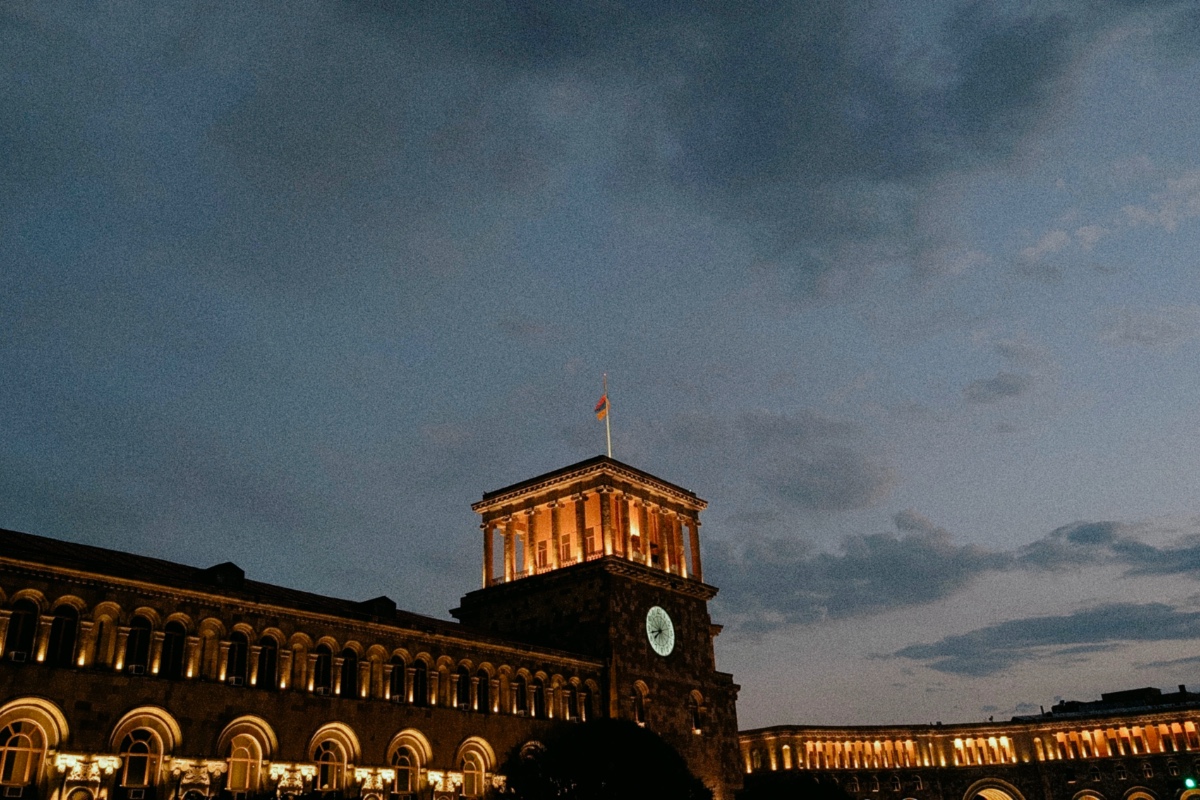

Sosé Euredjian, another host of the program, explained that “the magic of radio remains alive because it continues to offer something that social media doesn’t always achieve: genuine companionship and a direct human connection.”
“In the case of Audición Gomidas, that emotional bond with the community is built on a commitment to our roots, language, music and collective memory. Listeners tell us that the radio connects them with their roots, with their childhood, with Armenia itself,”
Romina Kuyunjian, general coordinator and host, stressed the importance of generational renewal, which began a few years ago: “Young people have a central role in Gomidas today, because they are the ones who give continuity to this project and keep it alive. This generational transition wasn’t something that happened overnight. The advisory group continues to pass on their experience and memories to us, while we seek to complement it with new energy, perspectives and tools. This mix is what ensures that the program remains a representative space for all, a space of shared identity and future.”

For columnist Maró Euredjian, continuity is the key: “It means continuing a generational legacy that advances day by day to communicate, transmit, raise awareness, make known and reach out to the communities that are part of the Armenian diaspora and other close friends. The fact that it’s broadcast simultaneously on radio and YouTube shows that this generation has new ideas and adapts to a technological world, without neglecting the essence of radio.”

Cristina Nerguizian, also a columnist, added that “being part of this program is an honor and a privilege, but above all an enormous responsibility. We are not isolated voices; we are the voice of a community with firm and clear convictions and ideals. Our work requires commitment and seriousness. Today we celebrate 90 years, but this journey will continue, and perhaps one day we will be just another number in that story. The challenge is to be a media outlet that responsibly gives space and visibility to the causes of our people, working in synergy with other outlets in the diaspora.”
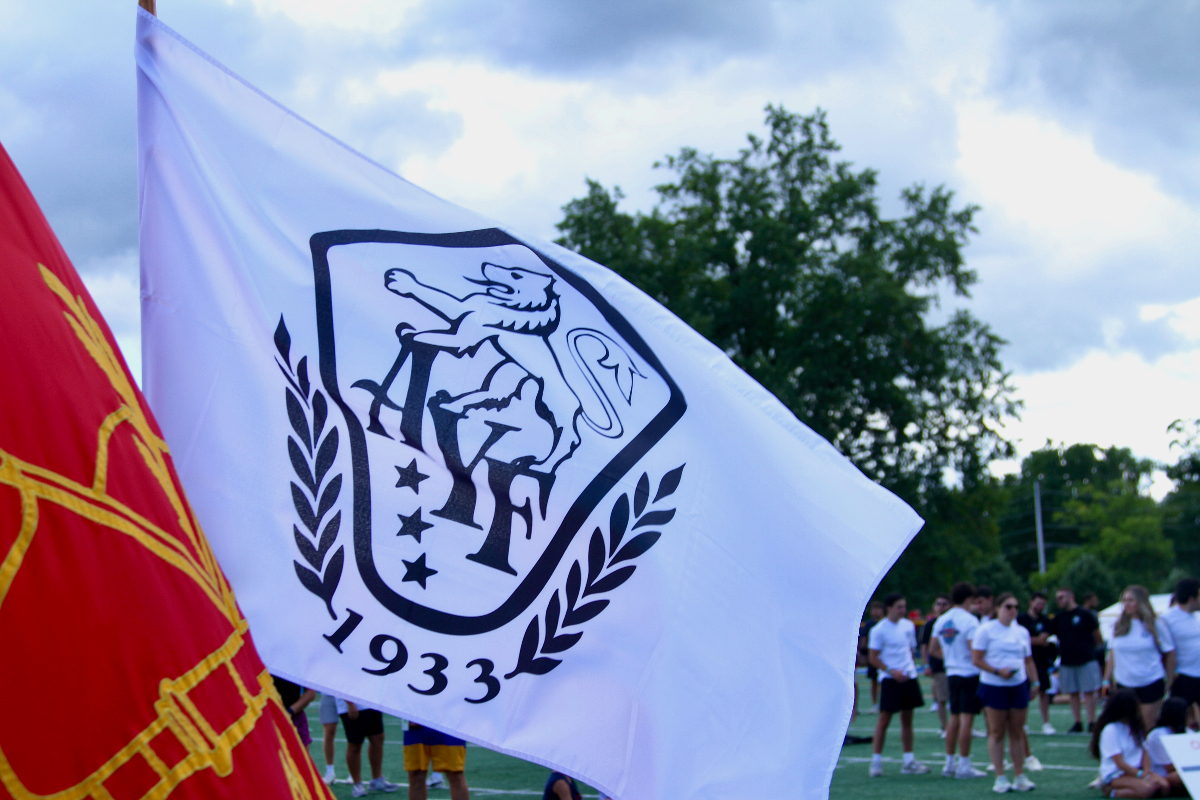
Throughout its history, Audición Gomidas has defined itself as more than a radio show. It is a school, a cultural and political space that sustains Armenian identity in Uruguay and far beyond. Born as a project of the Armenian Revolutionary Federation (ARF-Dashnaktsutyun), it continues to carry the mission of being a communication tool at the service of the Armenian Cause and of the community.

Now adapted to new technologies and formats, the program also includes a correspondent in Yerevan, journalist Betty Arslanian, who also works with the Argentine newspaper Diario Armenia in Buenos Aires, Argentina. Arslanian covered the 2020 Artsakh war and became the voice and face that brought the events of the war to Armenian communities across South America.
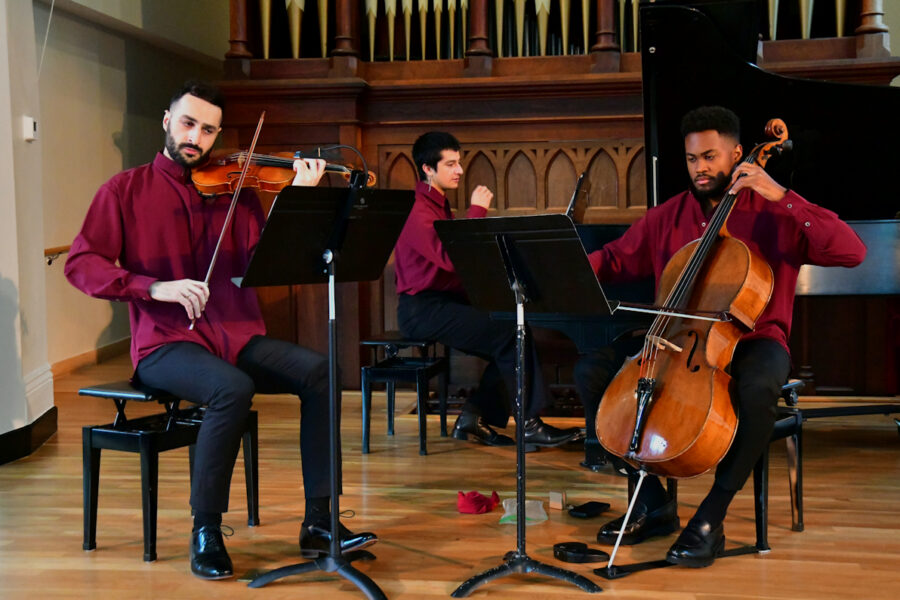
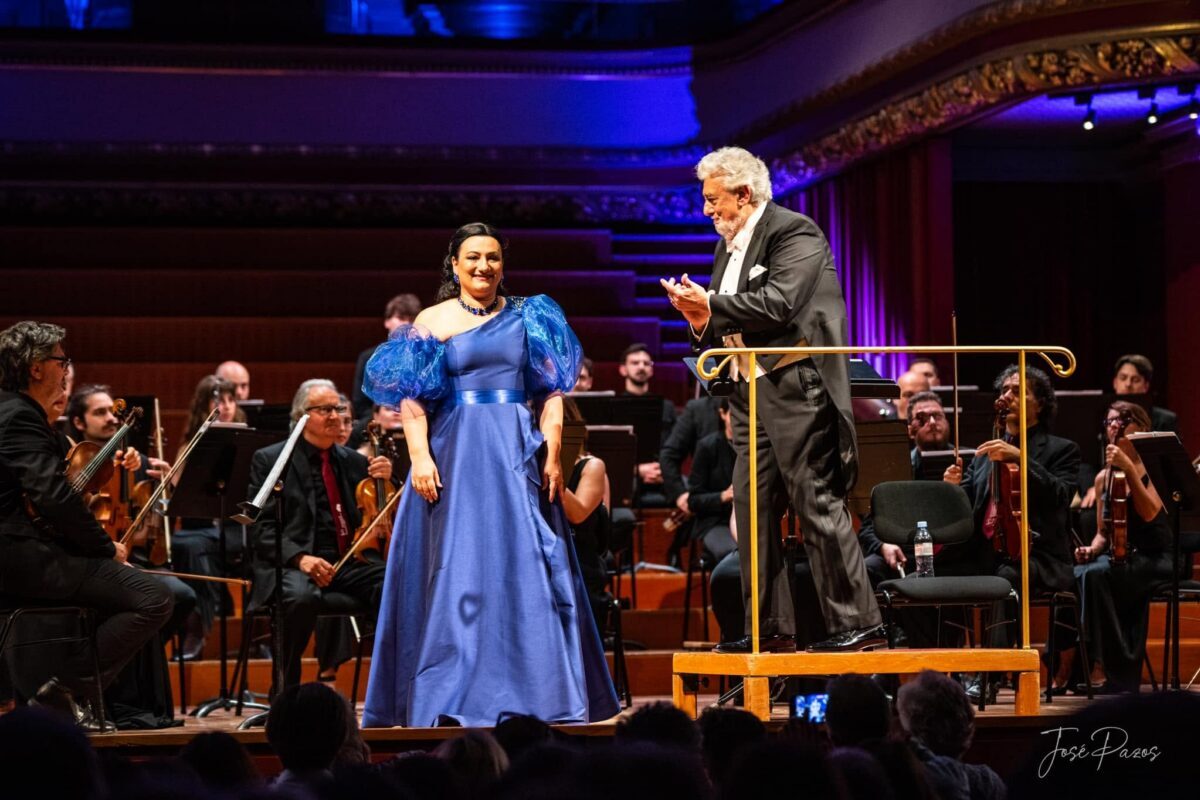
The 90th anniversary was marked in Montevideo last September 20 with a celebration at the Cervantes Theater Hall. The evening opened with an acoustic performance by singer Apo Sahagian, joined by violinist Diana Margaryan and percussionist Raffi Gullian. An exhibition dedicated to Komitas, organized with the Komitas Museum-Institute of Yerevan and supported by the Armenian Embassy in Uruguay, paid tribute to the program’s namesake.

One of the most moving moments was a mapping projection that filled the theater walls with voices and images from the archive, reminding the audience of the decades of history that Gomidas has carried. For the first time, previously unreleased recordings were shared, while founding families and directors received special recognition for ensuring the program’s continuity.
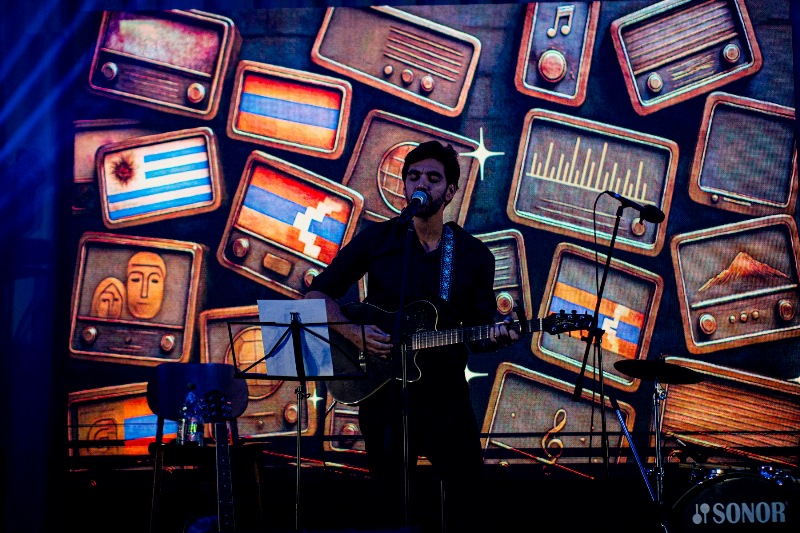
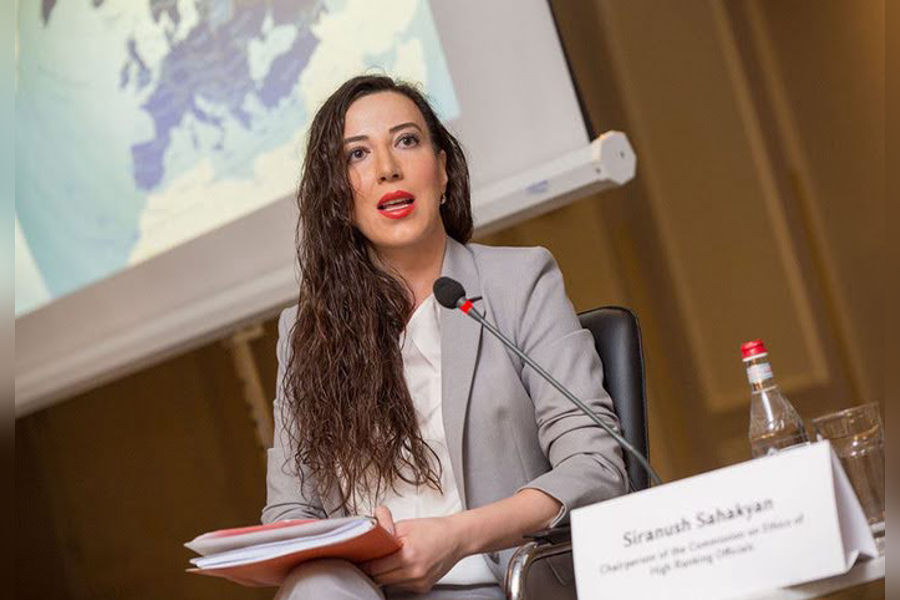
The event drew an audience that included Armenian Ambassador Maryam Gevorgyan, Consul Gohar Minasyan, Archbishop Hagop Kelendjian and representatives of cultural, educational and political institutions in Uruguay. From the stage, Romina Kuyunjian summed up the meaning of the anniversary: “The real challenge isn’t speaking, but giving value to what we’re saying, as happens at Gomidas, where we learned to be the voice of a community.”
After ninety years, Audición Gomidas remains that voice. It still connects generations, still teaches history, still defends the Armenian Cause and still makes sure that in Montevideo and far beyond, the diaspora has a sound that feels like home.
All photos are courtesy of the author