


The Region in Brief

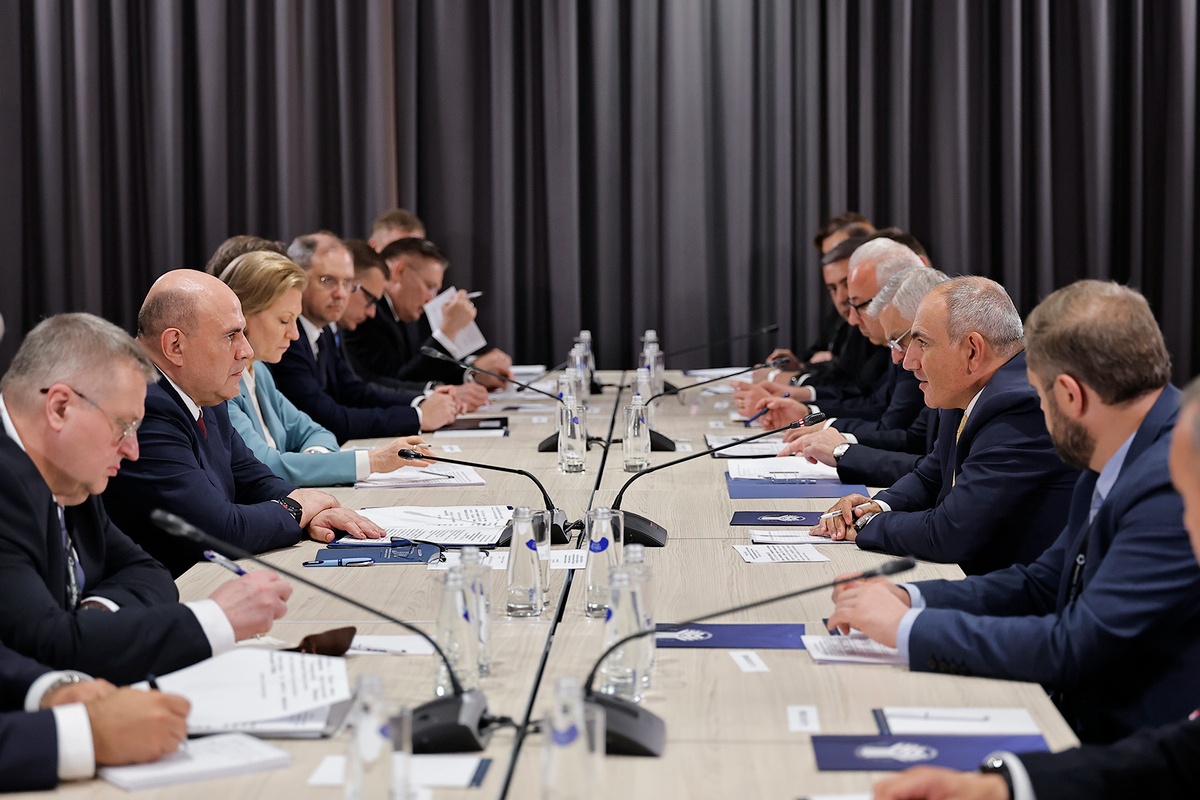
Armenia
During a rally marking Armenia’s Independence Day on September 21, Ishkhan Saghatelyan, representative of the Armenian Revolutionary Federation (ARF) Armenia Supreme Council, warned that the country faces unprecedented pressure targeting its sovereignty and national identity.
Saghatelyan criticized efforts to reduce the meaning of independence to daily concerns and celebrations, stating: “Our people have not fought in Avarayr, Sardarapat or the Artsakh wars for everyday issues. Our struggle has always been for identity, land, language, culture and faith.”
He condemned Prime Minister Nikol Pashinyan’s recent call to transition to a “Fourth Republic,” calling it a confession of intent to dismantle both Artsakh and the foundations of Armenia’s current statehood. According to Saghatelyan, the government’s proposed model envisions a state shaped by Azerbaijan’s demands, stripped of its historical rights, with limited defense capabilities and economic dependence on Baku and Ankara. He also rejected attempts to contrast “historic Armenia” with “real Armenia,” arguing that “historic Armenia is the reality that gave us independence — rejecting it is like opposing father to son.”
Saghatelyan urged the formation of a nationwide “NO” movement to resist constitutional changes and what he described as an existential threat to the Armenian state. “The removal or non-reproduction of Nikol Pashinyan is a matter of national security,” he declared, concluding: “Armenia is not just a country — it is a mission, and it belongs to all Armenians, not only citizens of the Republic.”
Artsakh
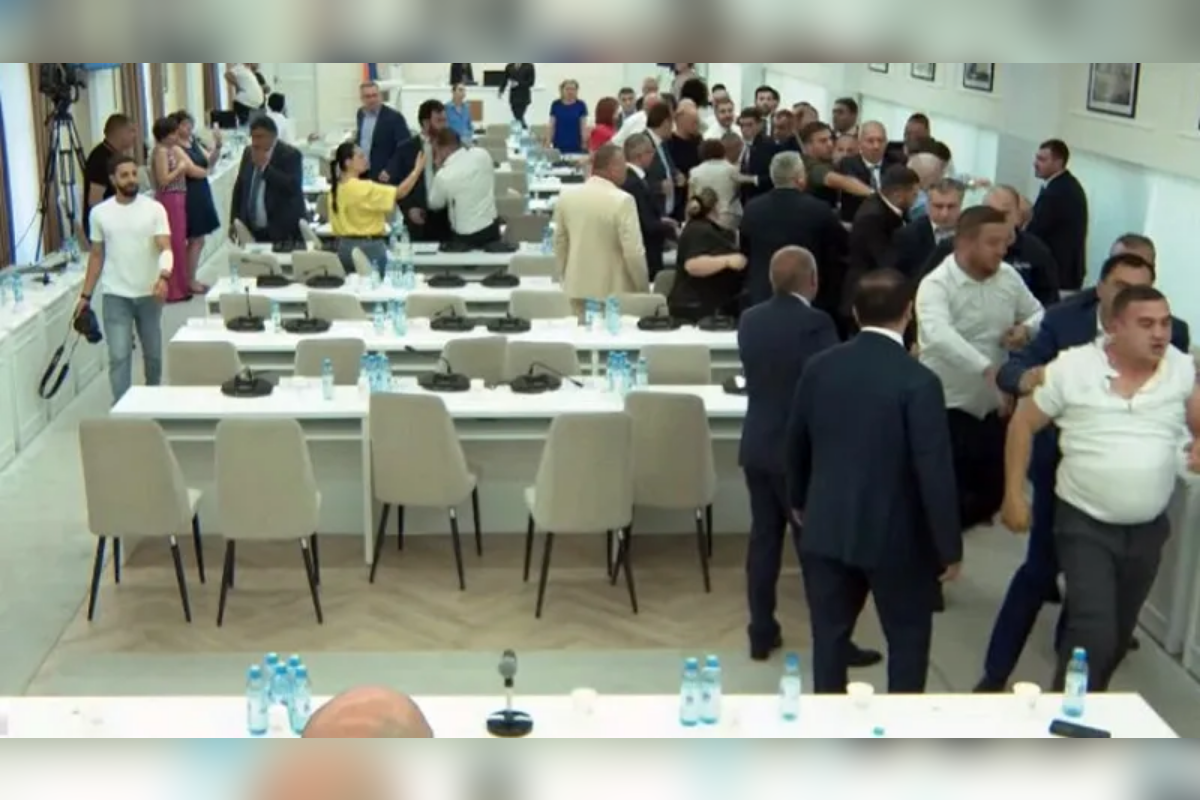
On September 19, Former President of Artsakh (Nagorno-Karabakh), Samvel Shahramanyan, paid tribute to victims of Azerbaijan’s 2023 military offensive, praising those who first resisted the attack and facilitated the evacuation of civilians.
“We honor the memory of our fallen compatriots — those who were the first to resist Azerbaijan’s aggression and gave others the chance to escape to safety,” Shahramanyan said during a visit to Yerablur Military Pantheon.
He noted that as a result of the assault, the Armenians of Artsakh have been displaced and effectively lost their homeland. “Most have now settled permanently in Armenia, which we consider our primary homeland,” he added.
Addressing reports that the events of September 19, 2023, were misrepresented in school history textbooks, Shahramanyan said legal action is being taken to challenge those inaccuracies. He also firmly denied claims about his participation in the controversial Yevlakh meeting between Azerbaijani officials and representatives from Artsakh.
“I want to state clearly — I have never been to Yevlakh and did not take part in that meeting. No documents were signed there,” Shahramanyan emphasized.
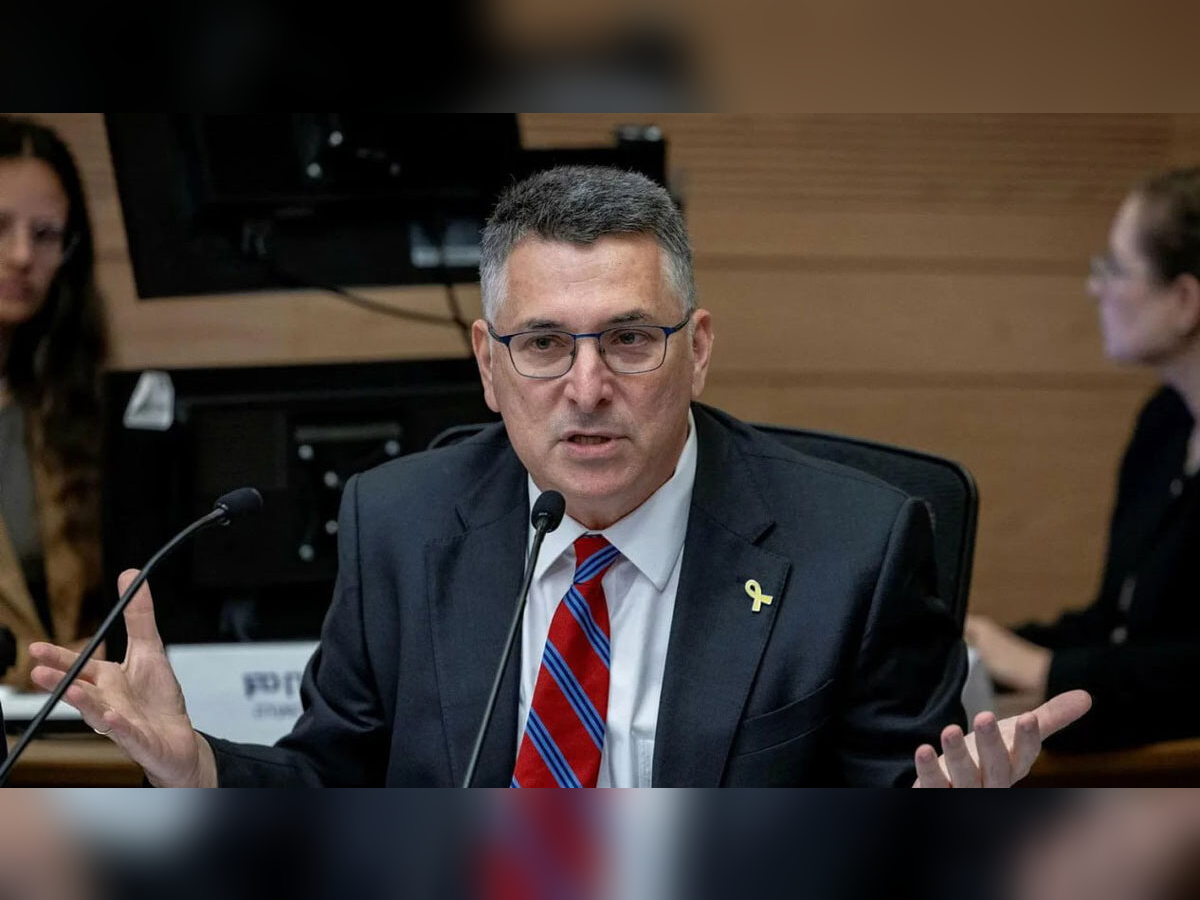
Azerbaijan
During the 108th Rose-Roth Seminar of the NATO Parliamentary Assembly held in Yerevan, Azerbaijani delegate, Murad Muradov, claimed that Armenia maintains territorial claims against Azerbaijan under its current constitution.
“According to the Constitution of Armenia, it has territorial claims against Azerbaijan. This may be the only obstacle to signing a peace agreement. The Constitution of Azerbaijan does not have any territorial claims,” Muradov said in response to questions from Armenian journalists.
Addressing the controversial concept of “Western Azerbaijan,” Muradov described it not as a territorial claim, but as a “public organization that serves the interests of people and concerns more cultural heritage.”
Muradov’s statements, made openly in the Armenian capital, have sparked criticism from some observers in Yerevan. Detractors have pointed to the symbolic weight of allowing such remarks to be voiced on Armenian soil, while Armenian officials, including Deputy Speaker of Parliament Ruben Rubinyan, attended the seminar without issuing a public rebuttal.
Russia
Russian Foreign Ministry spokesperson Maria Zakharova dismissed claims circulating in Armenian media suggesting that Moscow is unwilling to accept the Armenian leadership’s independent decisions.
Speaking at a press briefing, Zakharova described such narratives as “simplistic” and “self-degrading” for those promoting them. She also criticized allegations that Armenia is under so-called “hybrid attacks,” implying that such ideas are likely being pushed by individuals serving specific informational agendas. According to her, Moscow has either assisted Yerevan upon request or taken the initiative itself, always respecting Armenia’s decisions while maintaining its own perspective.
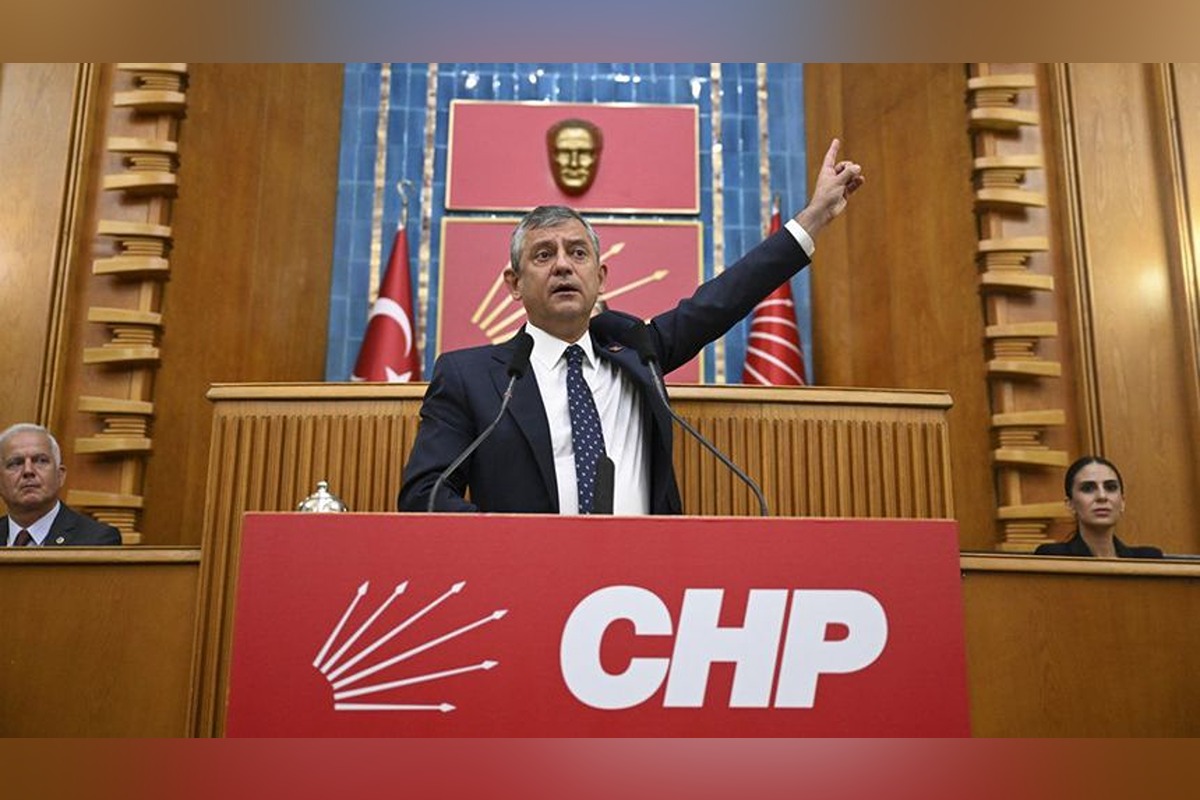
Turkey
Armenia, Turkey and Azerbaijan are neighbors, and a new chapter is opening in efforts to normalize and develop their relations, said Fatma Aksal, chair of a NATO Parliamentary Assembly subcommittee and member of the Turkish Grand National Assembly.
Speaking during a briefing as part of the 108th Rose-Roth Seminar in Yerevan, Aksal addressed both Armenian-Turkish relations and the ongoing Armenia-Azerbaijan peace process.
“We welcome the launch of the peace agreement process between Armenia and Azerbaijan. Peace benefits everyone. We will all gain from peace, which is crucial not only for our countries but for the development of the wider region,” she stated.
Aksal also expressed hope that the countries’ borders would open as soon as possible.