



Summers on Kınalıada: The island that keeps Armenian culture alive

Growing up Armenian in Turkey, my existence has never been passive. Rather, it has been an act of resistance.
For as long as I can remember, each summer has meant packing my bags, boarding a ferry and crossing the Bosphorus to Kınalıada Island. The simple act of preparing for this journey—stuffing my suitcase and using my ferry card—serves as a quiet ritual of remembrance. It is a way of acknowledging Armenians’ past trauma while choosing to move forward, to heal in a place where beauty grows, to celebrate life. Kınalıada is that place.
Upon arriving, the chatter at the dock shifts softly into Armenian and my soul exhales. As the tide crashes against the shoreline, I feel a calm wrap around me like a beach towel, one that only Kınalıada can provide—the freedom to be unapologetically true to who I am.
Immediately, I am greeted with the word բարեւ (parev) by Armenians who live in other parts of Istanbul, throughout Turkey or some far-off place in the world. Suddenly, I am reminded that no matter how scattered we are, we all find a sense of belonging during our summer stays in Kınalıada.
But the action starts at the İskele (the pier). That is my spot. The second I step back on the island, it is like hitting “resume” on a television show or funny TikTok reel. No matter where my friends and I have been—whether in school in Istanbul or halfway across the world—somehow, we all end up back here, at the same dock, swapping stories and picking up from the previous summer. It is wild how fast we fall back into rhythm, like we never left.

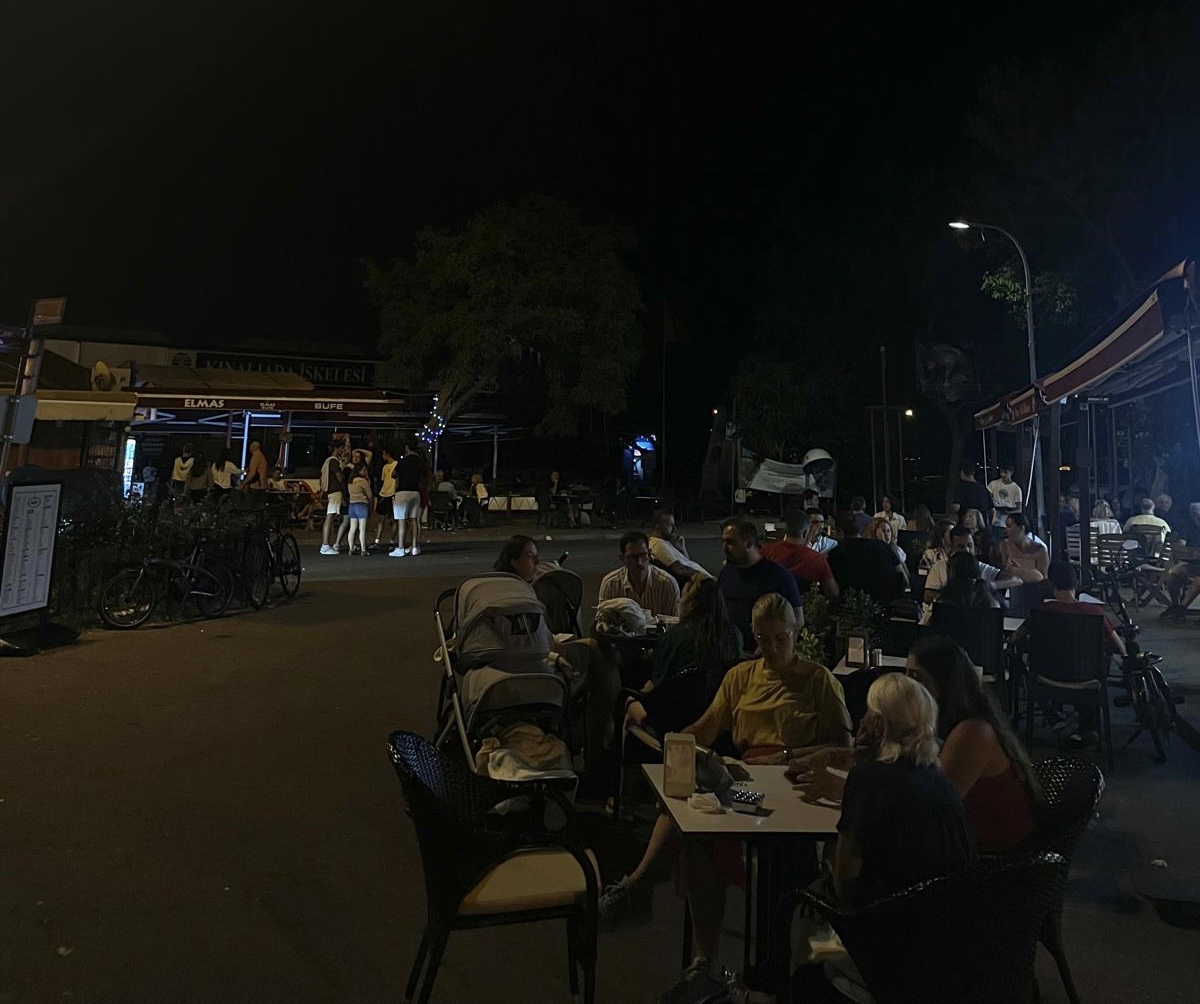
Kınalıada is not just a place; it is where we are truly ourselves, surrounded by the freedom of the sea. To be honest, in the city, it is hard to hold onto that Armenian identity so closely. The 21st century keeps everyone busy, plans fall through and it is easy to feel like your culture is something you just fit in when you can. But here? It is everywhere. It is loud, it is real and it is shared.
Take the holiday of Asdvadzadzin, for example. Every summer, we gather at Surp Krikor Lusavoriç Church to help pack grapes for the blessing ceremony. It sounds simple, but when you are standing there with other Armenian kids, moms, uncles and others, it touches the soul. You feel part of something bigger—a community where even your tiny role still matters. It is more than tradition; it is togetherness. And just like the sweet grapes we package, rituals like this make life sweet and grapes become a metaphor for our lives.
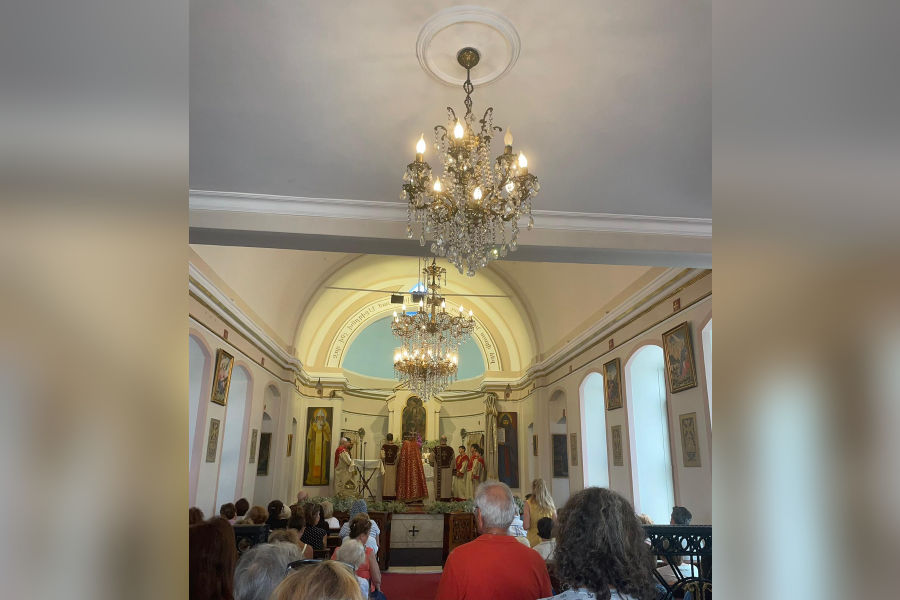
Then there is Vartavar, the most chaotic day of the summer. A giant water fight breaks out in the church garden—everyone is soaked, screaming, smiling. But again, it is not just fun. It is ours. This is our moment to just exist as ourselves, without filters or explanations. We are loud, we laugh and we are completely unbothered. On the island, it is just pure vibes and cultural vitality—it comes naturally.
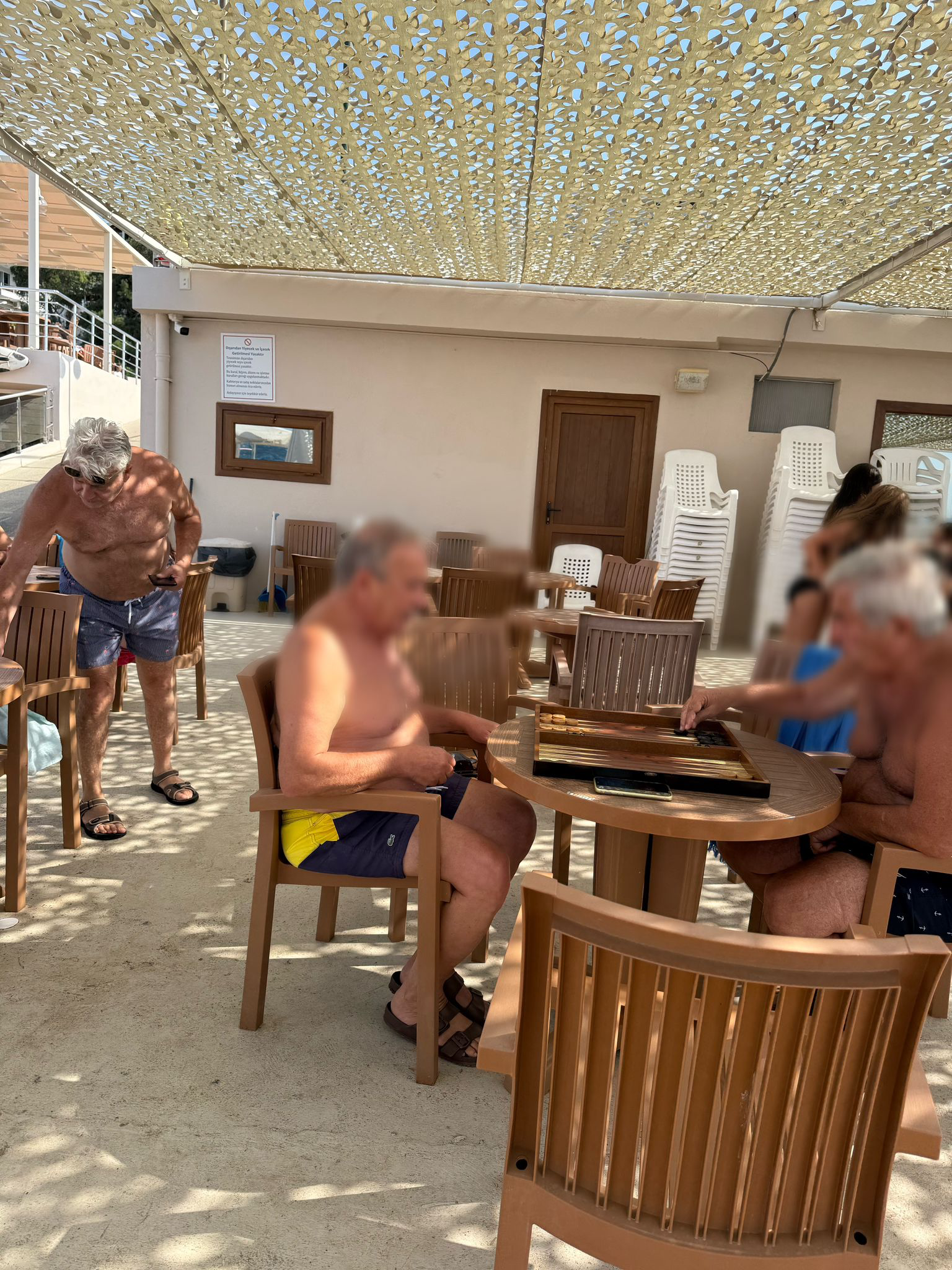
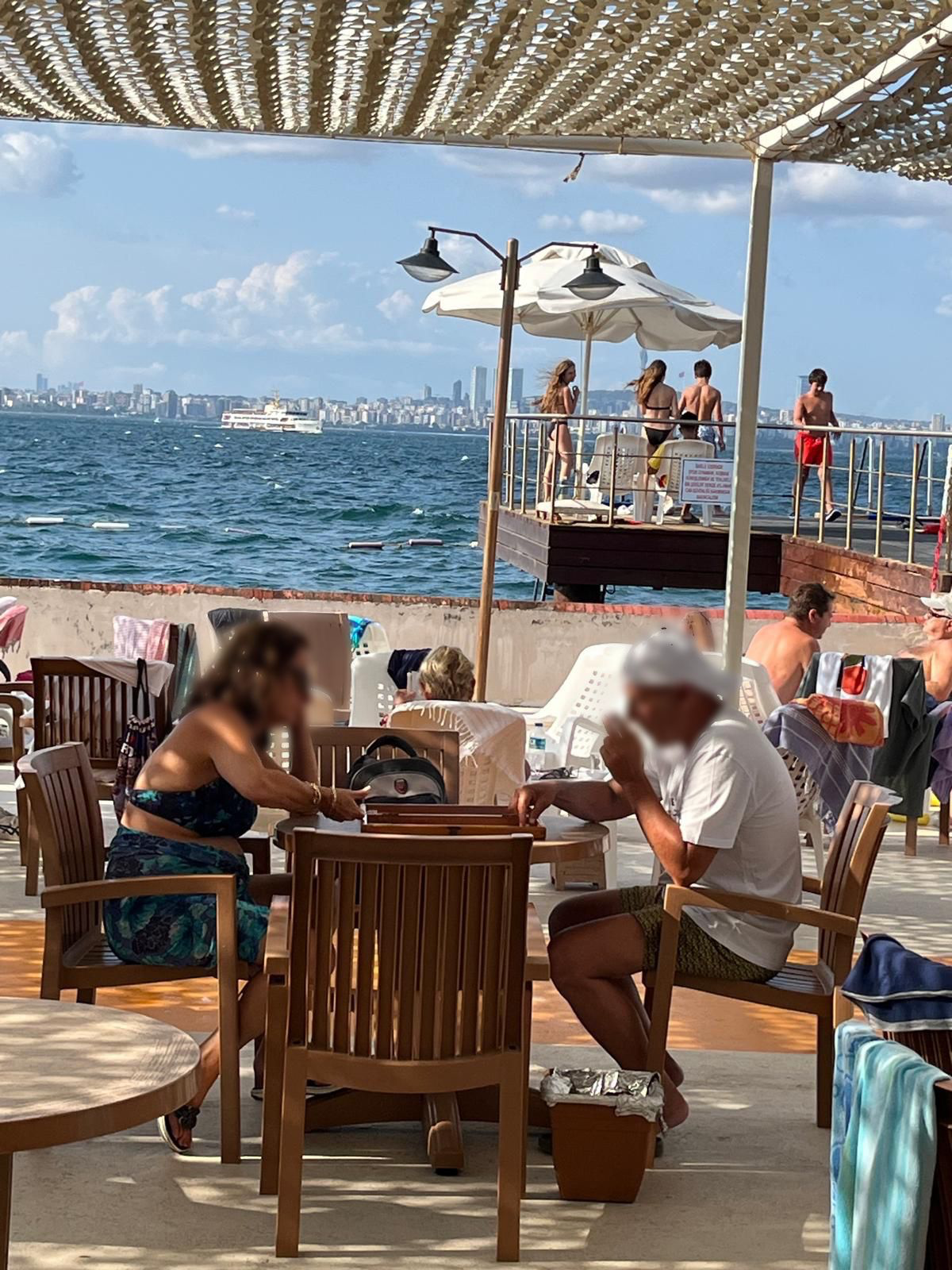
And when we are not at the church, we are at the Water Sports Club—swimming, playing tavla or basketball or lying in the sun, talking for hours. The friendships here? They are different. They grow out of sweltering sunburns, shared jokes till we cry and deeper bonds because we all get what it means to be Armenian here. It is something we do not always feel, but in Kınalıada, it is part of the air.
Tuesdays are bazaar day. The beaches clear out because everyone is at the market. It is kind of funny, but it also says a lot. We all move together, in this shared rhythm that feels timeless.
And sometimes, I will pass by places like the old Karagözyan Camp (also known as Karagözyan Orphanage Gazturman Gayan Summer Camp) and think about the Armenian children who came to enjoy summer—children who maybe did not have much but found peace here. Our spirits do not die; they live on. You can still feel it in newer programs, like those at Hristo Monastery, bringing the same joy to the next generation. I vow to do the same with my future children. Our lives are not smashed grapes—they are fully formed and sweet.
The more I think about it, the more I feel like this island is whispering to us. As if our ancestors are saying, “Soak in the sun and sea. Laugh louder. Speak your language. Dance. Be fully you.” They left us this place not just to preserve who we are, but to celebrate it—to wade in our culture, just as we wade into the sea off the shoreline rocks.
At 17, I do not think I have figured everything out, but I know this: Kınalıada is not just a summer destination. It is where we recharge our identity, where our culture is not tucked away but alive in the jokes we crack, the grapes we box and the splashes we make in the sea. This island makes space for us to be whole.
Every summer, I come back—not because I have to but because it feels like the truest, fullest version of myself is waiting at the İskele. And every summer, that version grows a little stronger and sweeter, like the grapes we share.
All photos are courtesy of the author
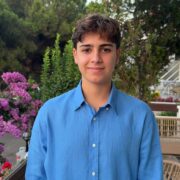
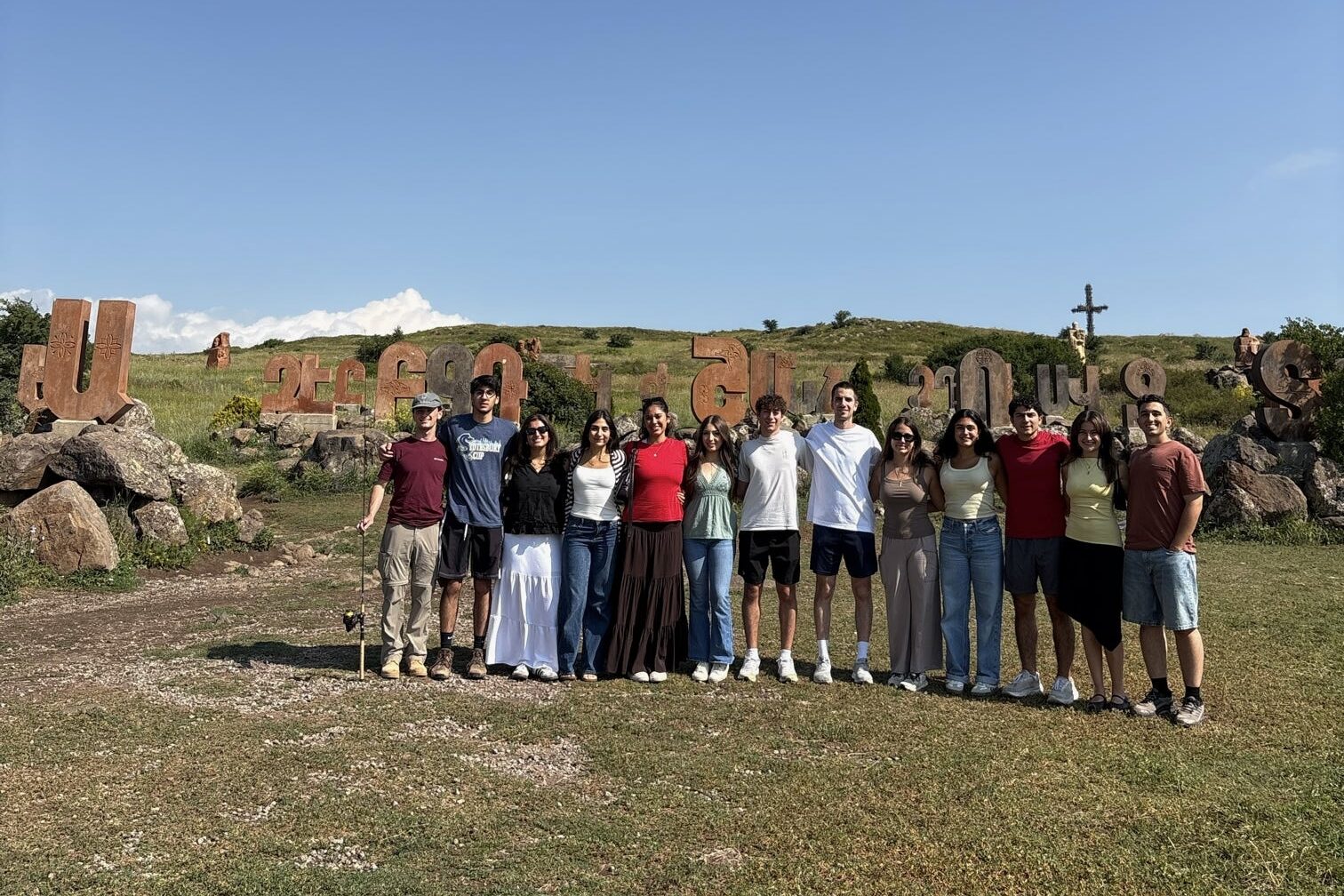
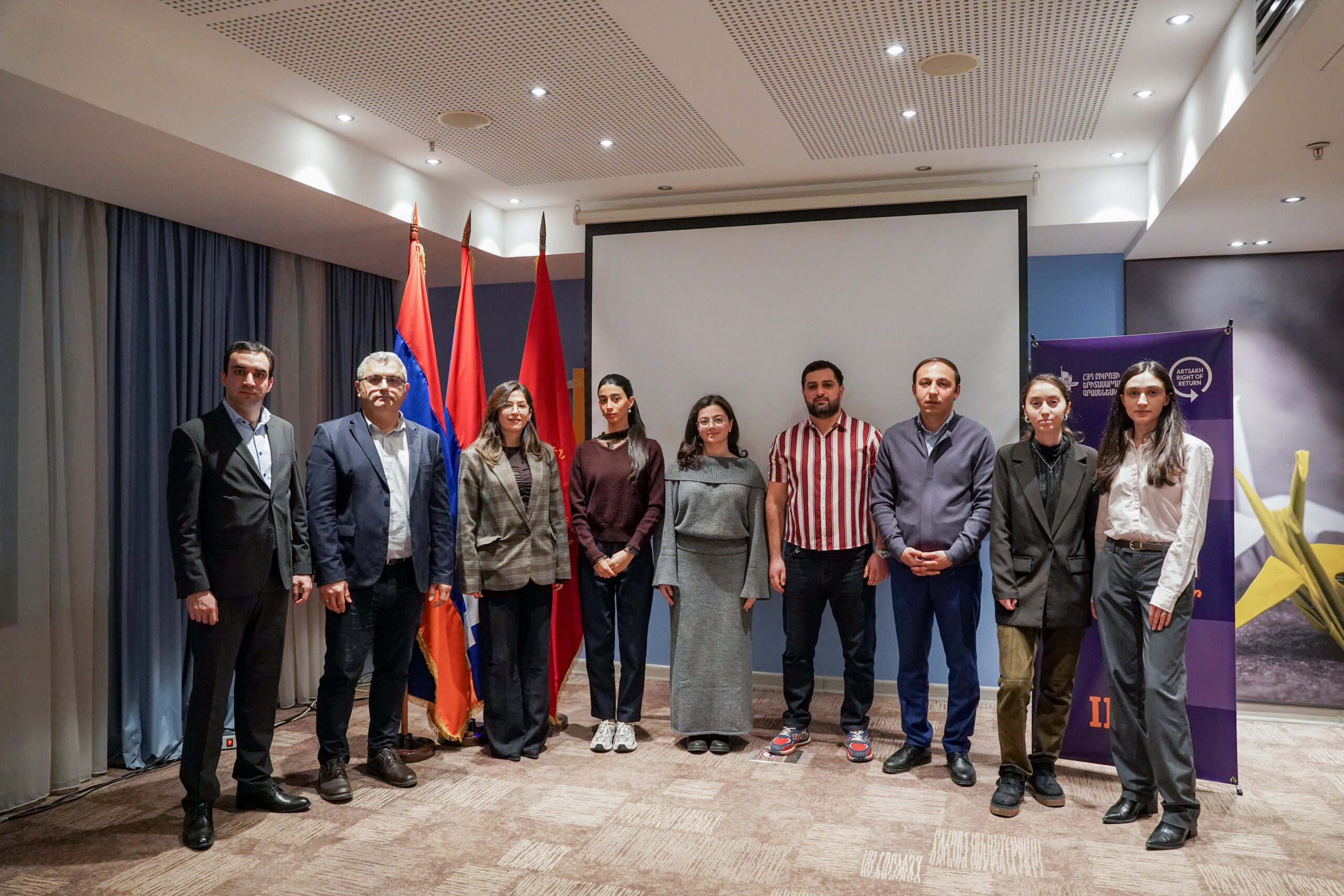
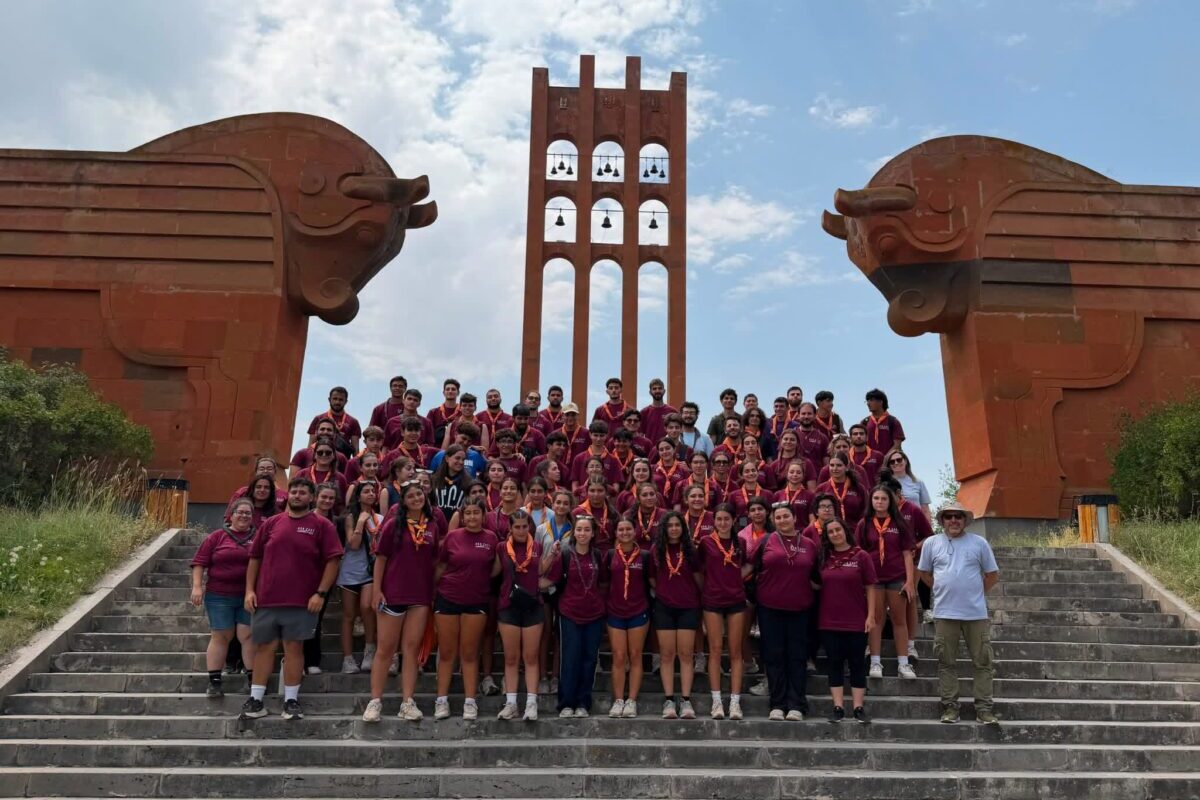
That the faces of the people in the photos are blurred, is very telling about the precarious situation of the Armenians in Istanbul and of the other non-Muslim minorities, the Jews and Greeks, who are systematically discriminated by the Turkish state, overwhelmingly reviled and shunned by the Turks, and are steadily decreasing. They are afraid and rightly so.
I personally experienced this timidity of the Armenians around Turks, while I visited Turkey (Istanbul and Hatay Province, where the last Armenian village in Turkey called Vakifli is situated) in April 2005. They were guarded with their answers in the presence of Turks and I didn’t dare ask them about the Armenian Genocide and the 1955 Istanbul Pogrom, so not to get them and myself into trouble with Turkish officialdom, because acknowledging the Armenian Genocide is punishable under Article 301 of the Turkish Penal Code for “Insulting the Turkish Nation”.
That is why, the dwindling Armenian, Jewish and Greek communities seclude themselves from the Turkish majority as much as they can, in order to shield themselves from abuse, which is very hard to do, because their names and surnames often give their identities away and their numbers are too small to form ethnic ghettos, which was the case at least until the 1955 Istanbul Pogrom, which started the continuous exodus of the non-Muslim minorities. Before 1955 at the earliest, Kinaliada was once majority Armenian.
The exodus of Armenians accelerated after the assassination of Hrant Dink in 2007, and of the Jews in 2009, after the falling out between Turkey and Israel over Gaza and Hamas. Since 2007, the Armenian community’s numbers fell from 50,000 to just below 40,000, since 2009, the Jewish community’s numbers fell from 25,000 to 13,000, and the Greek community’s numbers hover around 1,000.
Considering the violent history of Turks against these ethnic groups, expecting a future for them in Turkey is a fallacy, and in Istanbul an impossibility.
What a wonderful young man who is sowing the seeds of generational memories.
Thank You!
Kınalıada isn’t just a summer retreat—it’s a living archive of Armenian memory, ritual, and joy.
Deni,
Congratulations on a well written article! It was beautiful and informative!
Thank You!
Dear Teminyan…Thanks for sharing your experience at Kinaliada island. I visited that island at the end of October of 2019. I was with a group from Armenia. Out guide said that at the end of the Octobe not much going on at the island. However we enjoyed seeing the summer homes of the Armenians, of course only from the outside. we also vidited the church and we had a late lunch at a café by the sea. Thanks for bringing out attention to Kinaliada island.
Thank you for your kind words
Deni, it was a pleasure to read your sentiments and your report. I was reminded of my college years when with friends, I visited Istanbul, and then Varna, naturally connecting to Armenians as much as we could. We visited the island but I remember it as the Kenali island where, were told that Armenians vacation. But that was over 50 years ago! I understand the number of Armenians has dwindled precipitously in Istanbul, but I read that nowadays there are 16 Armenian schools, 3 Armenian newspapers, 39 active Armenian churches. On a personal note, political unrest in middle east brought havoc upon once thriving Armenian communities there. The Armenia community in Istanbul was spared from such havoc but obviously not the unavoidable attrition of Diaspora communities. Well done, thank you.
Thank you very much!
Thank you Deni for putting your heart into words. By writing this well thought article you connected our tiny island with many Armenians around the world and also made your memories carved into Kinaliada history.
Mersi Sayat Apar