



ColumnsVictoria's Voice
Dinner with the “Mother of Armenians”

Armenians hold deep reverence for the roles of “mother” (mayrig) and “grandmother” (medz mayrig), praising their love and devotion, which bind families together. Mother’s Day in the United States, celebrated annually on the second Sunday in May, honors maternal bonds and recognizes the positive impact of mothers on families and society. While many cherish the tradition of treating their mothers to a special dinner, some may reflect on past celebrations and loved ones lost.
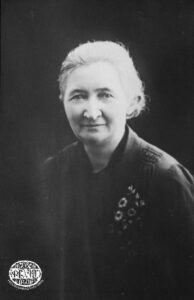


The story of Missionary Karen Jeppe is inspiring. Another uplifting Danish missionary is Maria Jacobsen who came to Kharpert as a young woman in 1907. When WWI broke out, and the Americans, English, and French missionaries had to leave, Maria Jacobsen was isolated in the interior of the Ottoman Empire during the Genocide. Her will and struggles and accomplishments are no less than epic. We owe missionaries like Jeppe and Jacobsen more than we can ever give back to them.
Great story to introduce Karen Jeppe… Thanks