


The Region in Brief
Artsakh
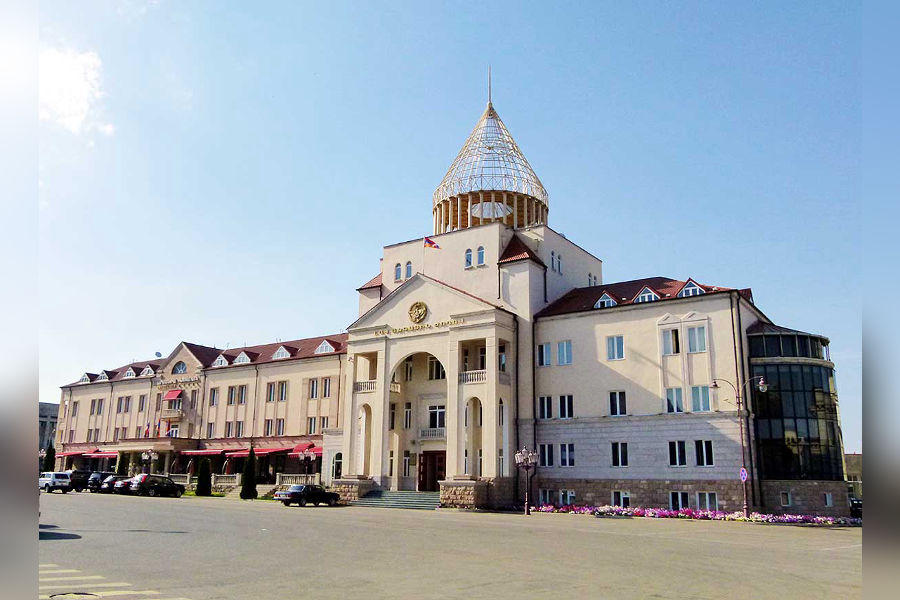
Displaced Armenians from Artsakh held a demonstration in Yerevan this week, delivering letters to foreign embassies calling for the right of return and the protection of Armenian cultural heritage to be included in international diplomatic discussions and the upcoming COP17 biodiversity conference. Alvard Zakaryan, a member of Artsakh’s Public Council, emphasized that about 150,000 displaced Armenians remain committed to returning to their homeland, calling for international guarantees for a safe, dignified and sustainable return.
The demonstration coincided with renewed warnings over Azerbaijan’s efforts to reclassify Armenian cultural monuments in occupied Artsakh as Caucasian Albanian heritage.
Armenian heritage watchdog Monument Watch challenged claims presented to about 150 foreign diplomats and international representatives during a September visit to the historic monasteries of Dadivank and Gandzasar, accompanied by Azerbaijani presidential aide Hikmet Hajiyev. Azerbaijani representatives alleged that medieval Armenian khachkars at Dadivank had been manufactured during Artsakh’s independence and artificially aged with vinegar. Monument Watch rejected the claims, citing inscriptions dating from 1172 to 1190, some documented as early as 1911, decades before Artsakh’s independence. The organization described the presentation as part of a systematic effort to deny the Armenian origins of the region’s religious and cultural heritage.
Meanwhile, Artsakh’s Cultural Heritage Ombudsman’s Office announced a series of publications ahead of COP17 documenting alleged environmental destruction under Azerbaijani control. The initiative raises concerns over deforestation, large-scale construction, biodiversity loss and damage to historic cemeteries and archaeological sites, warning that some consequences may be irreversible. The office is calling for independent investigations, international oversight and accountability for potential acts of genocide.
Azerbaijan
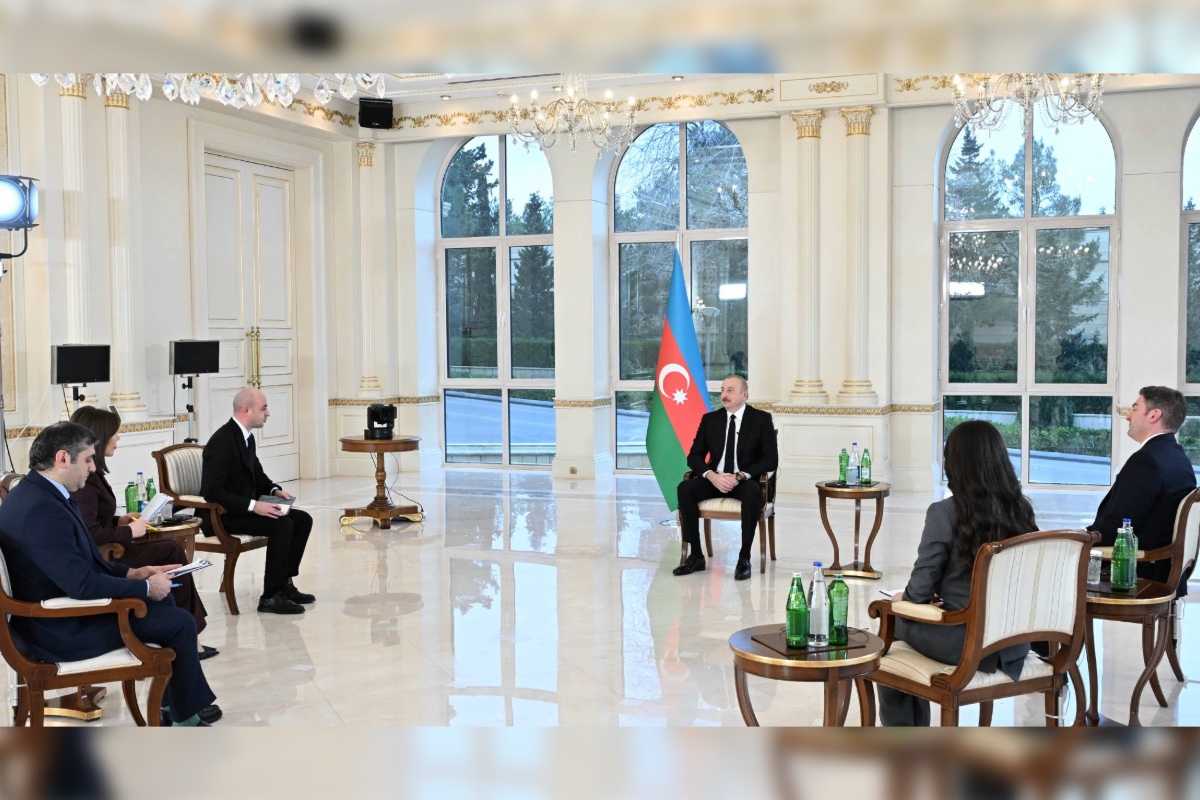
Azerbaijan has declared 31 Turkish citizens personae non gratae, barring them from entering the country amid an unusual diplomatic dispute between two states that have long characterized their relationship as “one nation, two states.”

The decision, announced by Azerbaijan’s Foreign Ministry on Oct. 21, targets prominent Turkish political figures, journalists, religious commentators and social media personalities, including New Welfare Party leader Fatih Erbakan, Turkish lawmaker Ömer Faruk Gergerlioğlu and representatives of the Islamist Free Cause Party (HÜDA PAR).
Baku accused those listed of publishing statements targeting Azerbaijan’s sovereignty, national security, constitutional order and political leadership. It further alleged that some had encouraged the violent overthrow of the government or incited religious hatred and extremism.
The dispute follows growing controversy over restrictions on the wearing of Islamic headscarves in Azerbaijani schools. New school uniform regulations introduced in September have reportedly resulted in girls wearing hijabs being turned away from educational institutions, prompting criticism from conservative and religious figures in Turkey. Azerbaijani authorities have characterized some of that criticism as interference in the country’s internal affairs.
By Oct. 19, Azerbaijan’s Prosecutor General’s Office had already placed seven individuals residing in Turkey on an international wanted list, accusing them of promoting religious extremism and calling for the forcible seizure of power.
Georgia
Georgia’s Constitutional Court began hearings in Batumi on Wednesday, Oct. 21, in a case brought by the ruling Georgian Dream party seeking to outlaw five major opposition groups, raising serious concerns about the future of political pluralism in the country.
The lawsuit, signed by 88 lawmakers, targets the United National Movement, Coalition for Change, Strong Georgia–Lelo, the Federalist Party and former Prime Minister Giorgi Gakharia’s For Georgia party. Georgian Dream lawmakers allege that the organizations have violated Article 23 of the Georgian Constitution through activities and political objectives aimed at forcibly changing the country’s constitutional order.
The opposition parties reject the allegations, describing the proceedings as an attempt to eliminate political competition and consolidate the ruling party’s control. According to Civil Georgia, representatives of four of the five targeted parties participated in the hearings, while the Federalists refused to legitimize the proceedings through courtroom participation. Independent journalists were also prohibited from filming inside the courtroom, with recording rights reserved for the Georgian Public Broadcaster.
The hearings are scheduled to continue through Oct. 23, with a final ruling expected by June 2027. The case comes amid longstanding political tensions following Georgia’s disputed 2024 parliamentary elections and mounting international criticism of the government’s democratic record.
Russia
Armenia’s increasingly uncertain relationship with Russian-led institutions came under renewed scrutiny this week after representatives of the four other Eurasian Economic Union (EAEU) member states issued a report warning of potentially severe economic consequences if Yerevan’s membership is suspended.
Prepared by representatives of Russia, Belarus, Kazakhstan and Kyrgyzstan, the report examines the implications of Armenia’s continued pursuit of closer integration with the European Union, warning that the country’s European ambitions could create legal incompatibilities with its existing EAEU obligations. The four member states maintain that they have grounds to consider suspending the application of the EAEU Treaty to Armenia, potentially even before Yerevan holds a referendum on its future integration priorities.
The report projects that suspending Armenia’s participation could result in a 15.6% contraction in GDP, a 14.9-percentage-point rise in inflation, and a 55.6% reduction in trade with EAEU members. It also estimates that the price of Russian natural gas supplied to Armenia could increase by 69%, from $177.50 to $300 per 1,000 cubic meters, raising annual import costs from about $389 million to $657 million.
Other projected consequences include a sharp reduction in remittances from Russia, more restrictive employment conditions for Armenian citizens working in EAEU countries, higher railway freight costs and tighter customs and sanitary controls. The report also warns of significant declines in Armenian exports and reexports, potentially disrupting businesses reliant on access to the Eurasian market.
Russian presidential spokesman Dmitry Peskov said the Kremlin had not yet reviewed the report, while its authors said the other EAEU members were not seeking Armenia’s departure from the bloc.
Political analyst Vahe Davtyan described the report as a particularly strong political signal, noting that the economic consequences of Armenia’s suspension would be considerably more severe for Yerevan than for the remaining member states.
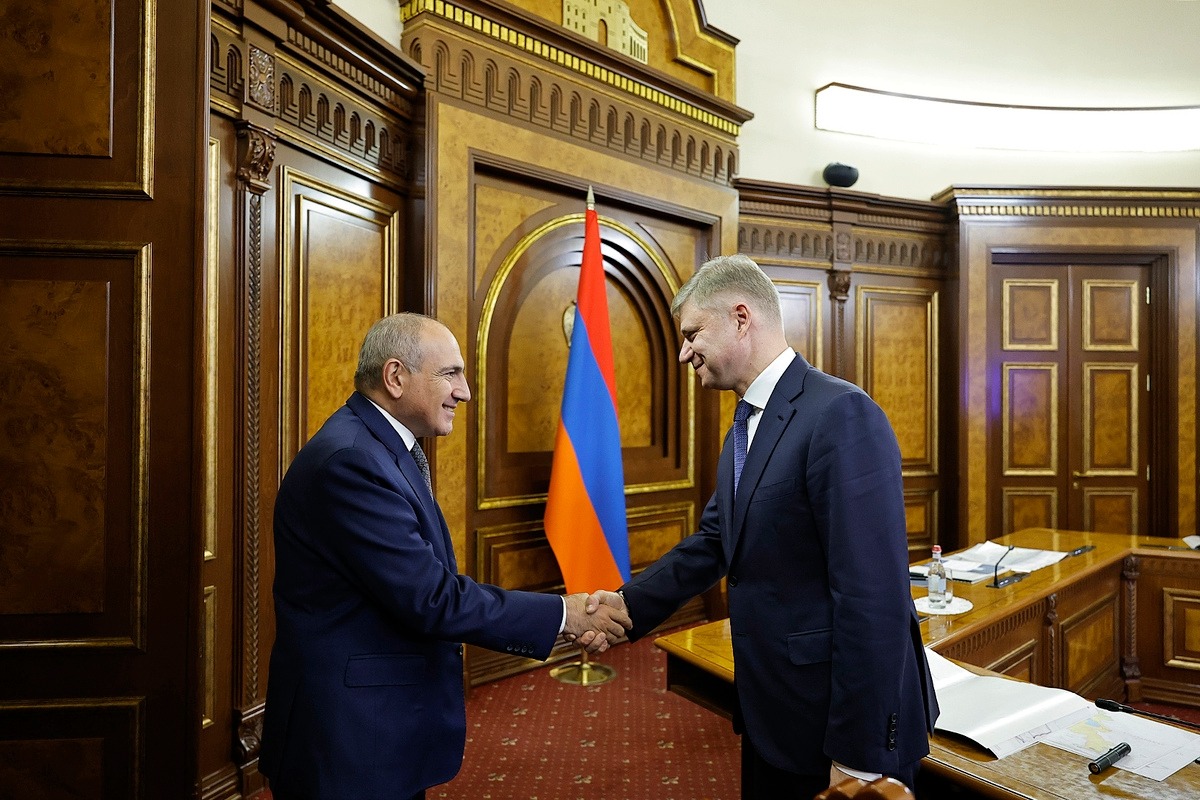
ARF member and secretary of the opposition Armenia Alliance Artur Khachatryan likewise warned that even if only half of the projected economic losses materialized, the consequences for Armenia could be extremely serious. He argued that the government must confront the practical implications of any departure from the EAEU, including the availability and cost of alternative energy supplies.
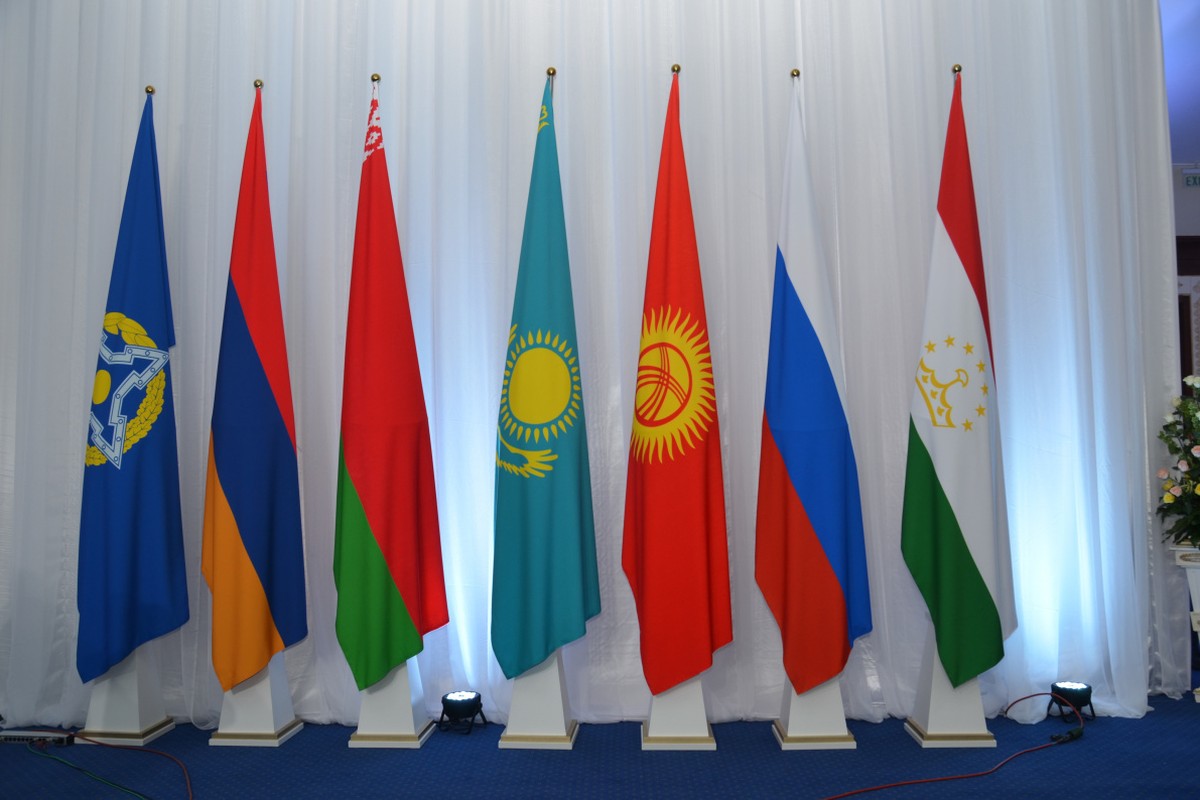
Meanwhile, Collective Security Treaty Organization (CSTO) Secretary-General Taalatbek Masadykov suggested that Armenia could still reconsider its decision to freeze participation in the Russian-led security alliance. “Time passes, people reconsider their positions, and the situation in the world changes,” Masadykov said, expressing hope that Armenian authorities and the public would reach a decision on whether to remain in the organization.
Although Armenia has suspended active participation in CSTO activities and stopped paying membership contributions, it remains a member under the organization’s legal framework. Masadykov noted that decisions concerning membership ultimately rest with the leaders of CSTO member states. Armenian Foreign Minister Ararat Mirzoyan, however, rejected the prospect of returning, telling reporters that he could not envision Armenia resuming its participation in the alliance.
Separately, Russian Foreign Ministry spokeswoman Maria Zakharova rejected renewed media allegations questioning the safety of Armenia’s Metsamor Nuclear Power Plant. Responding to reports circulated by Azerbaijani outlets, Zakharova said the allegations lacked a factual basis and defended the safety record of Russia’s state nuclear corporation Rosatom, the plant’s principal technical partner.
She suggested that the timing of the reports, amid COP17-related attention on Armenia, could indicate political motivations, including efforts to undermine Armenian-Russian cooperation in nuclear energy.