


The Region in Brief
Artsakh
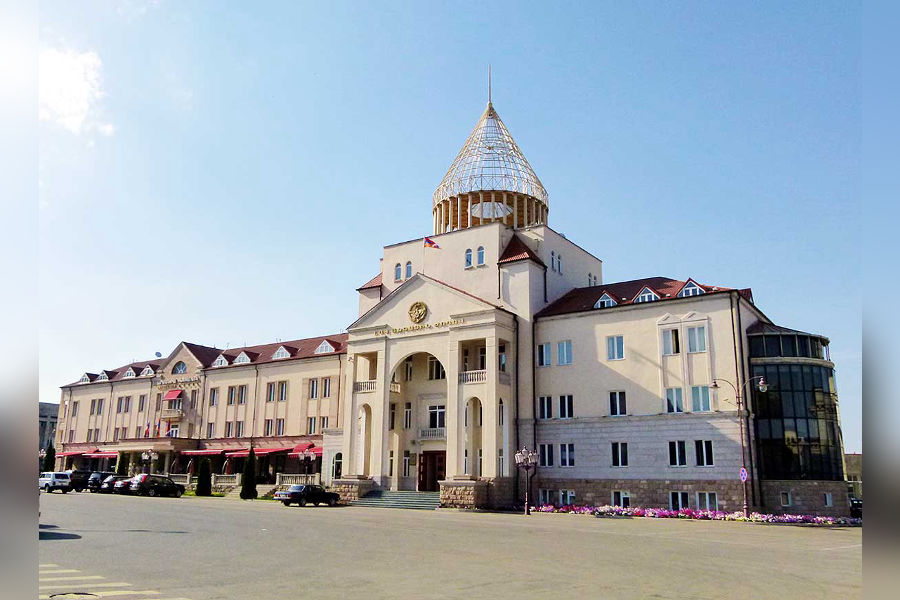
More than three years after Azerbaijan’s September 2023 military offensive and takeover of Artsakh, families of 51 fallen Armenians are demanding urgent action from the Armenian government to recover their loved ones’ remains. During an Oct. 8 meeting with opposition lawmakers at Armenia’s National Assembly, relatives expressed frustration over repeated unsuccessful recovery efforts and the absence of a clear mechanism for repatriation.
Armen Asryan, head of an organization representing families of fallen and missing servicemen, explained that the remains require exhumation before they can be returned to Armenia for proper burial. Preliminary arrangements had reportedly been made with former Artsakh emergency services personnel to assist in the process, but previous attempts had failed. Families are now seeking direct intervention from Prime Minister Nikol Pashinyan and state institutions. The demand concerns victims of the 2023 Azerbaijani offensive, which killed 223 Armenians, including 25 civilians, according to Armenia’s Investigative Committee, and precipitated the displacement of more than 100,000 ethnic Armenians.
Meanwhile, new satellite-image findings have raised further concerns about the destruction of Armenian cultural and historical heritage across Azerbaijani-controlled Artsakh. On Oct. 13, Artsakh Cultural Heritage Ombudsman Hovik Avanesov reported the demolition of memorials commemorating Armenian soldiers, World War II veterans and victims of the Armenian Genocide. In Shosh, two monuments were destroyed between April 2024 and July 2025, including a memorial dedicated to Artsakh War hero Argam Harutyunyan. Similar destruction was documented in Astghashen and Aygestan, while additional losses were reported in Shushi, Stepanakert, Berdzor, Askeran and Hadrut. Among the affected sites were monuments honoring prominent Armenian military figures, including Hovhannes Baghramyan and Hovhannes Isakov.
The latest findings add to a growing body of evidence concerning the loss of Armenian heritage since Azerbaijan assumed full control of the territory.
Armenia
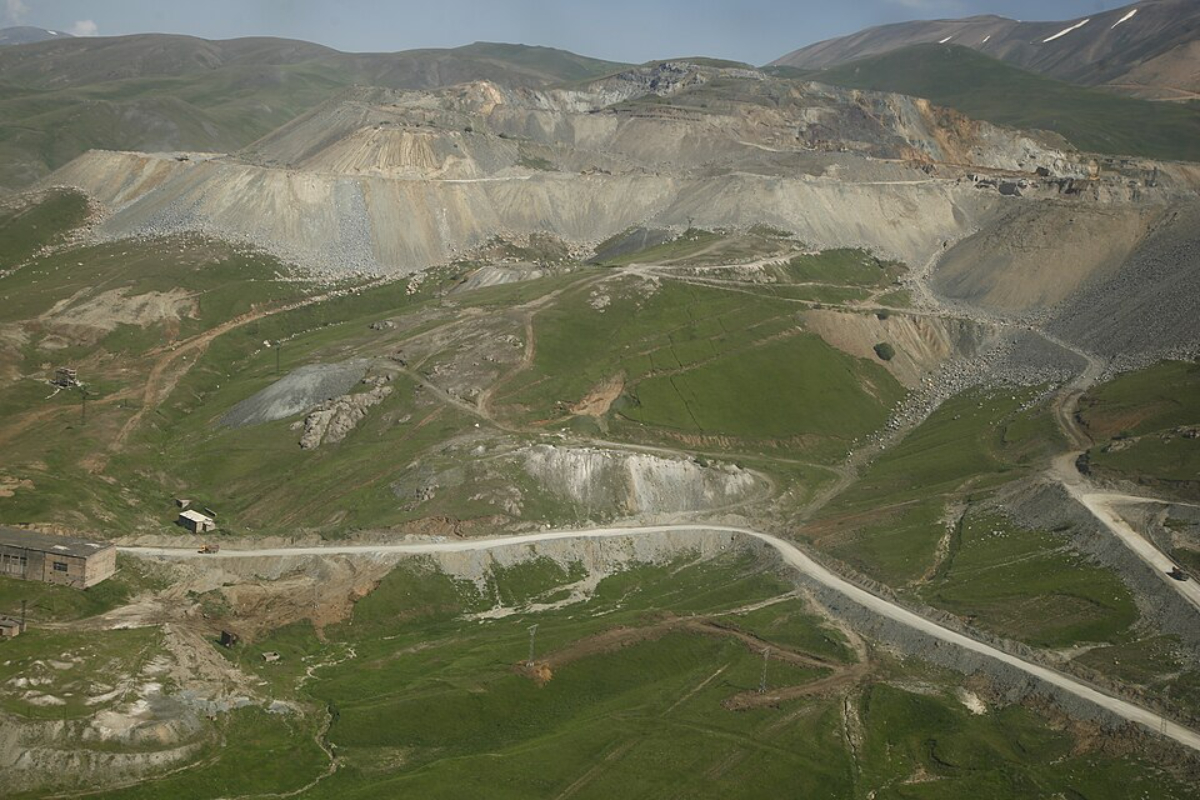
Armenia officially launched operations at the long-disputed Amulsar gold mine on Oct. 10, with Prime Minister Nikol Pashinyan attending an inauguration ceremony near the resort town of Jermuk. The opening marks the culmination of nearly a decade of delays, environmental protests and political controversy surrounding one of the country’s largest mining investments.

Pashinyan hailed the development as an economic success, emphasizing its potential to generate employment, attract foreign investment and increase state revenues. Government officials estimate that the mine could contribute approximately $120 million to $130 million annually in taxes and royalties, while Armenia holds a 12.5% stake in its operator, Lydian Armenia. More than $750 million has reportedly been invested in the project, including financing backed by a state guarantee.
The inauguration, however, has renewed criticism of the government’s environmental policies. On Oct. 13, environmental organizations and civil society representatives condemned the launch, arguing that longstanding concerns over water contamination, biodiversity loss and the possible impact on Jermuk’s mineral springs remain unresolved. Activists cited deficiencies identified in a government-commissioned 2019 environmental assessment and warned of potential risks to the Arpa and Vorotan rivers and the wider Lake Sevan ecosystem. The government and mine operator maintain that the project meets appropriate environmental standards.
The timing has added another layer of controversy. The mine opened just days before Armenia hosts COP17, the United Nations Biodiversity Conference, placing the government’s commitment to environmental protection under international scrutiny.
The inauguration also represents a notable political reversal for Pashinyan, whose administration allowed environmental protesters to block the project following the 2018 Velvet Revolution before ultimately supporting its development.
Azerbaijan
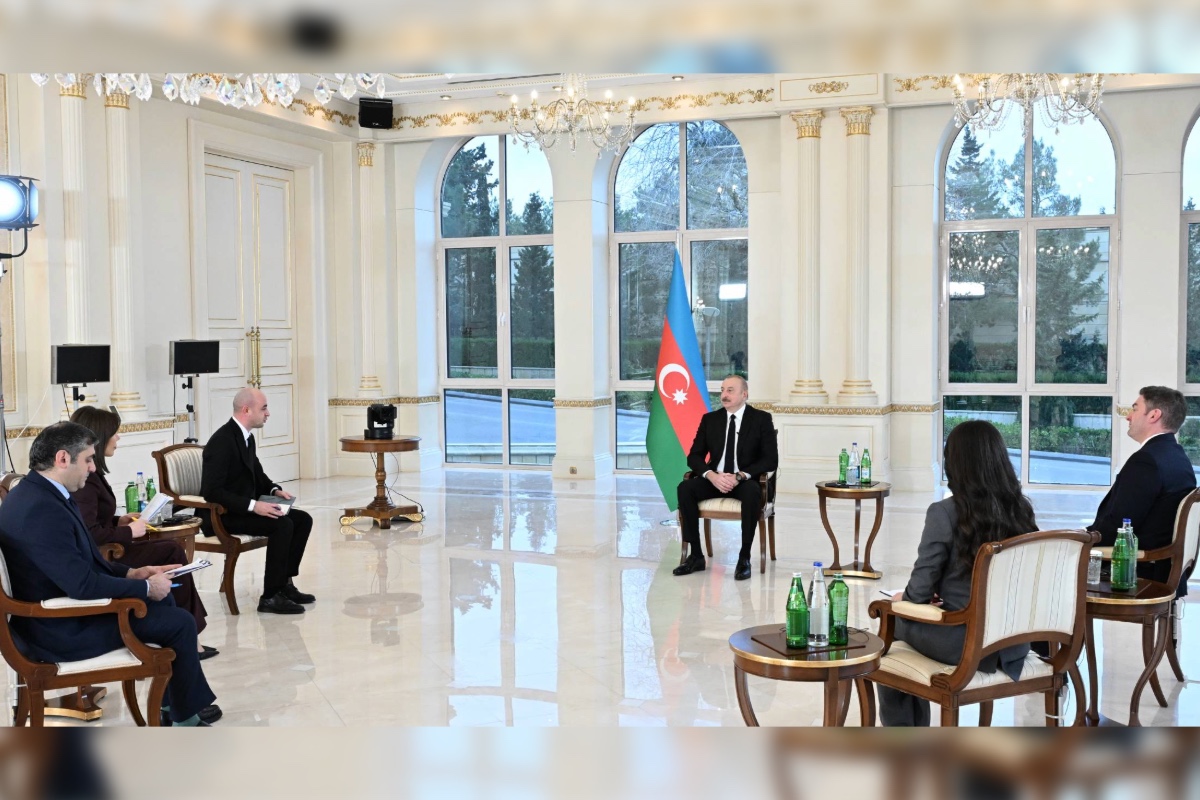
Azerbaijan is facing growing domestic unrest following new school uniform regulations that effectively restrict the wearing of Islamic headscarves in public educational institutions. The measures, approved on Sept. 21, prohibit clothing considered inconsistent with secular education and standardized school attire.
Although the regulations do not explicitly mention the hijab, reports of female students being denied classroom access and teachers facing pressure to remove their headscarves have triggered demonstrations in Baku and other parts of the country.
The protests have been accompanied by arrests, clashes and incidents of arson. Azerbaijan’s Interior Ministry initially reported detaining 37 people for allegedly disrupting public order, while activists claim the actual number exceeds 200.
In Baku’s Garadagh district, unknown individuals set fire to a school principal’s vehicle, while four additional cars were burned in the Absheron region. Authorities also reported an attempted school arson in Yasamal. Residents have experienced disruptions in access to Instagram and TikTok, although no confirmed connection between the disruptions and government restrictions has been established.
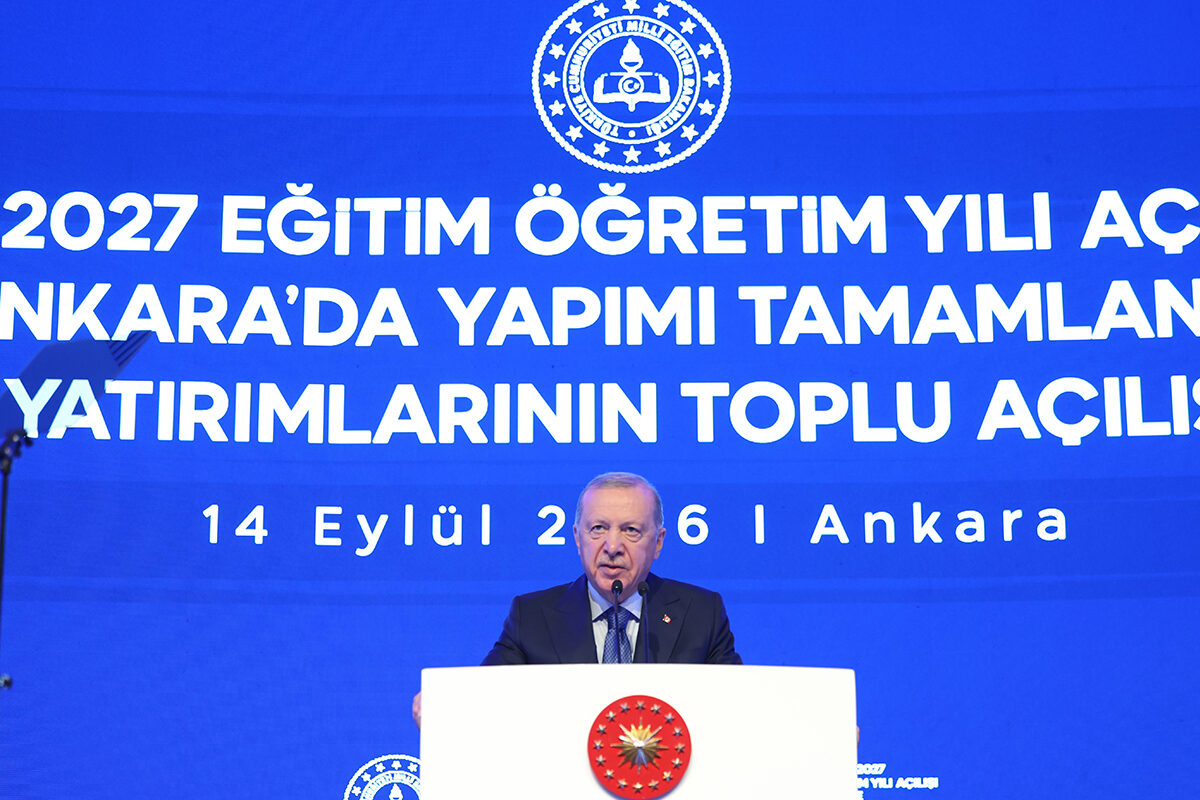
The controversy has now extended beyond Azerbaijan’s borders, creating an unusual public dispute with its closest regional ally, Turkey. Turkish presidential adviser Oktay Saral and lawmakers from President Recep Tayyip Erdoğan’s ruling Justice and Development Party (AKP) criticized the restrictions, prompting a sharply worded response from President Ilham Aliyev’s New Azerbaijan Party (YAP) on Oct. 13. The party accused Turkish political figures of interfering in Azerbaijan’s domestic affairs and exploiting religious sensitivities for political purposes. It defended Azerbaijan’s secular constitutional system and argued that school regulations were based on equality, secularism and the rule of law.
The statement also revealed tensions extending beyond the headscarf dispute. YAP rejected criticism of Azerbaijan’s close relations with Israel, insisting that Baku maintains legitimate bilateral ties while continuing to support Palestinian statehood and a two-state solution with East Jerusalem as Palestine’s capital. The party urged the AKP leadership to end what it described as a harmful political campaign, emphasizing that the longstanding principle of “One nation, two states” does not entitle either country to interfere in the other’s sovereign affairs.
Russia
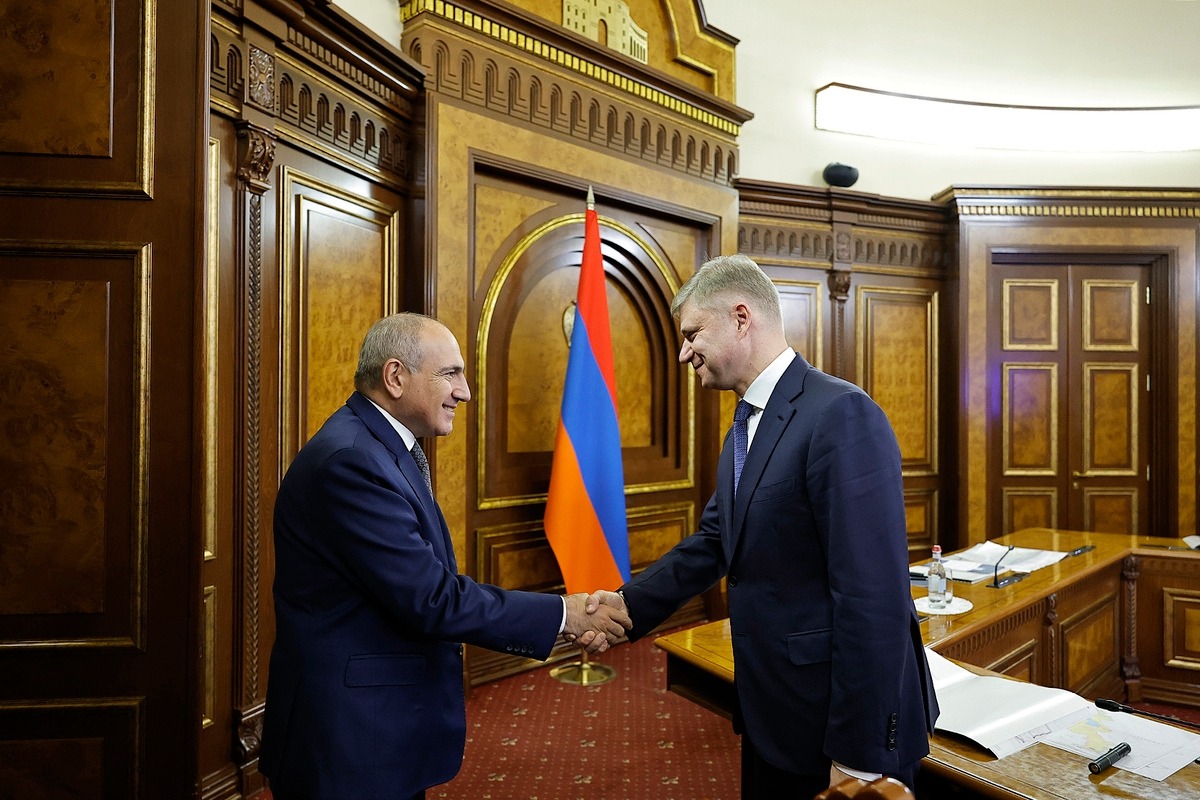
Russian Railways has reaffirmed its commitment to maintaining its concession agreement over Armenia’s railway network, as Yerevan explores the reopening of transport connections with Turkey and Azerbaijan. The announcement followed an Oct. 14 meeting between Armenian Prime Minister Nikol Pashinyan and Russian Railways CEO Oleg Belozyorov, during which both sides agreed to establish a joint working group to address infrastructure development, management efficiency and future investment priorities.
Belozyorov said Russian Railways remained open to dialogue with the Armenian government and a joint assessment of the concession’s effectiveness, while emphasizing the company’s intention to fulfill its existing contractual obligations. The Russian side also expressed readiness to support increased freight volumes and passenger transport. Discussions focused on reconstructing the Gyumri-Akhurik-Turkey border and Yeraskh-Nakhichevan railway sections, both of which could become strategically important corridors as Armenia seeks greater integration into regional and international transport networks.
The discussions come amid growing uncertainty over Russia’s long-term role in Armenia’s transport infrastructure. Moscow has managed the Armenian railway network through its subsidiary South Caucasus Railway since 2008. Pashinyan has previously proposed transferring the concession to a third country acceptable to both Armenia and Russia. Belozyorov, however, stated after Wednesday’s meeting that transferring the concession to another country had not been discussed.
Iran
Iranian Parliament Speaker Mohammad Bagher Ghalibaf has said that confronting economic pressure and international sanctions is now a greater priority for Tehran than direct military confrontation.
“Today, economic warfare is more important than military confrontation or cyber warfare,” Ghalibaf said, according to Iran’s Tasnim news agency. He described economic pressure as the central element of the campaign against Iran. Ghalibaf insisted that ordinary Iranians should be the last to bear the consequences of the war and sanctions.
His remarks come as Washington’s naval blockade increasingly restricts Iranian oil exports. According to an Oct. 13 report citing energy intelligence firm Vortexa, Iranian crude exports have fallen to effectively zero this month, severely limiting a major source of government revenue. On Oct. 14, Iran’s central bank governor rejected U.S. claims that the country’s economy was approaching collapse, maintaining that Tehran could withstand the pressure.
Meanwhile, military tensions continue to escalate around the Strait of Hormuz. Iranian officials told Reuters on Oct. 14 that Tehran was adopting more aggressive tactics against commercial shipping, seeking to maintain pressure on global oil markets. A Singapore-flagged container ship reportedly sank near the strait after being struck by a projectile, while another vessel was also reported to be sinking.
Diplomatic efforts remain stalled. The conflict is also spreading across the region: on Oct. 13, Yemen’s Iran-aligned Houthis struck Saudi Aramco’s headquarters in Dhahran, prompting renewed threats against Saudi energy infrastructure and raising fears of further escalation.
Ghalibaf’s emphasis on economic resilience reflects the growing importance of financial pressure in the U.S.-Iran confrontation.