



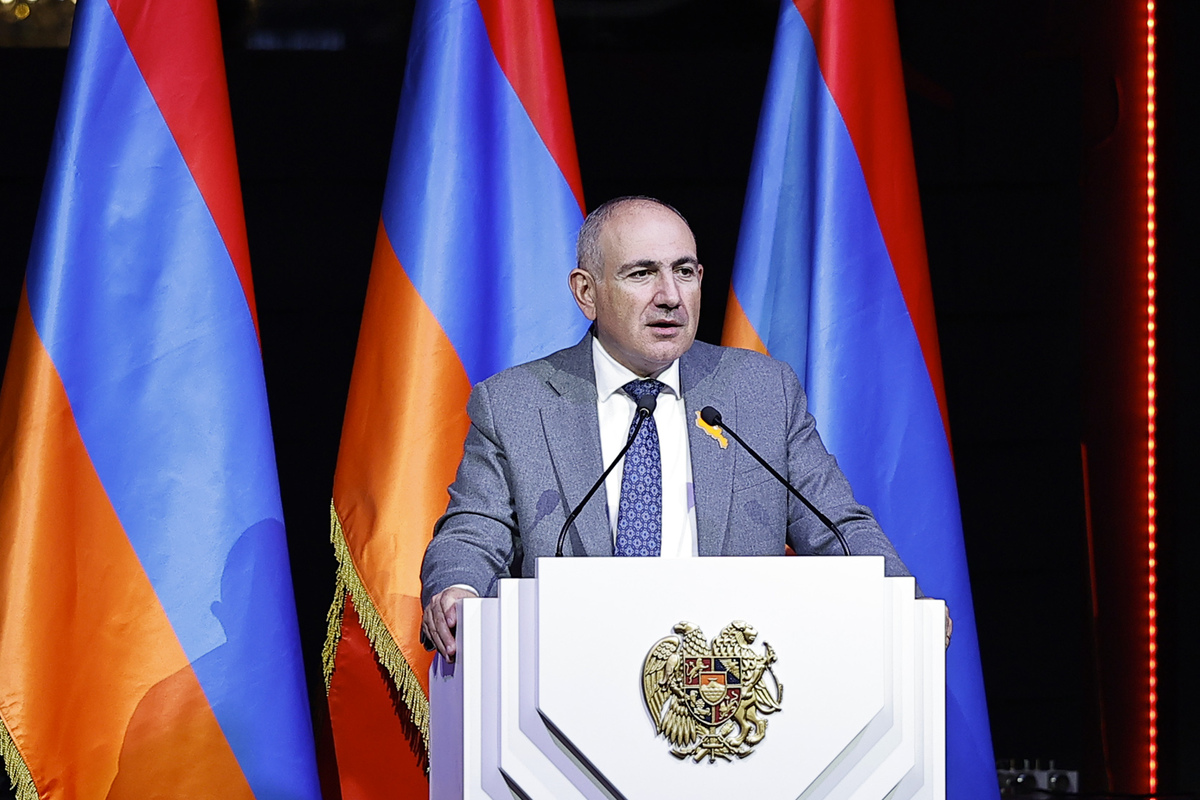
Mr. Pashinyan,
As a citizen, as an Armenian and as a human being, I am dismayed by your remarks last week. When asked about the possible exchange of an Azerbaijani soldier for the Armenian hostages held in Baku, you rejected the idea. Why would you reject it when you are finally given the leverage you need to possibly bring your compatriots home?
You claim there is an agreement that soldiers who cross the border should be dealt with separately from the hostage issue. However, this "agreeme


I read with great interest the open letter addressed to Prime Minister Nikol Pashinyan by Lori Yeni-Komshian, a California-based attorney. She raises important questions that deserve thoughtful consideration, both legally and on a deeply human level.
On October 1, Azerbaijani serviceman Nasimi Musayev entered the home of Ani Avetisyan in Shaki, in Armenia’s Syunik region, while armed. Ani rushed home after learning that her children were in danger. While trying to prevent the attacker from shooting her son, she lost her left thumb and suffered severe injuries to her other fingers and leg. Both of her children were also injured. Ani later spoke about the profound emotional distress her children were experiencing.
What happened in Shaki cannot be reduced to the question of returning a soldier who crossed the border illegally. A family has endured a terrifying ordeal, and important questions remain unanswered.
Lori’s letter draws attention to another deeply human dimension of this situation: the 19 Armenians held in Baku, including former political leaders, military personnel, and civilians. Some have been separated from their families for years, amid troubling reports concerning their health and treatment. They, too, have spouses, children, parents, and loved ones waiting for them at home.
More specifically, Lori asks whether Armenia could explore a negotiated exchange in which Nasimi Musayev, currently detained in Armenia following the Shaki attack, might be returned to Azerbaijan in exchange for the release of at least some of the Armenians held in Baku. She does not suggest that such negotiations would necessarily succeed. Rather, she asks whether this possibility deserves diplomatic consideration.
Prime Minister Pashinyan has expressed reservations about linking the return of servicemen who cross the border to the broader issue of Armenian detainees, referring to an existing understanding between the two countries. His concern about preserving established arrangements and avoiding complications in the peace process is understandable. At the same time, the serious violence involved in the Shaki incident raises questions about whether this particular case should be considered differently from an ordinary unauthorized border crossing.
Any possible exchange would involve complex legal and diplomatic considerations, particularly the need to respect the rights of Ani and her children as victims of a serious crime. I appreciate the Armenian government’s commitment to preserving peace and the importance of approaching such sensitive matters with care. Within that context, I find Lori’s suggestion a compassionate and worthwhile possibility to explore.
For me, two fundamental concerns deserve attention: justice for Ani and her children, and the hope that the Armenians held in Baku may regain their freedom and return to their families. These concerns need not be seen as competing with one another.
The courage of a mother protecting her children and the suffering of families waiting for their loved ones remind us of something essential: peace is not simply a matter of agreements between governments. Its true meaning must also be reflected in people’s safety, freedom, dignity, and ability to be reunited with those they love.
My sincere thanks to Lori Yeni-Komshian for this thoughtful and deeply humane letter.
Nurnisa Erismis
Very well articulated!!!!
Proud of you Lori Jann. It’s in your DNA.