


The Region in Brief
Artsakh
During the ongoing appeals proceedings in Baku, Davit Manukyan, former deputy commander of the Artsakh Defense Army, issued a statement addressing the charges brought against him and other Armenian detainees.
Manukyan argued that the judicial process is directed against the 15 individuals standing trial and the historical and national dignity of Armenia and the Armenian people. He said the defendants continue to challenge the charges in court and defend their rights.
He specifically referred to charges under Articles 100.1 and 100.2 of Azerbaijan’s Criminal Code, concerning the alleged “planning, preparation and conduct of an aggressive war” in September 2020. According to Manukyan, the defense has presented evidence and factual material contesting the allegations, but the charges remain in force.
Manukyan called on Prime Minister Nikol Pashinyan to publicly clarify Armenia’s official position regarding the accusations. He maintained that allegations concerning the planning of the war also implicate Armenia’s political and military leadership, and warned that a failure to respond could be interpreted as acceptance of the Azerbaijani side’s claims.
Manukyan also raised questions about the Armenian government’s position on the status of Armenians detained in Azerbaijan, saying those held in Baku do not feel they are receiving sufficient support from the Republic of Armenia.


Azerbaijan
Azerbaijani officials have continued to promote a proposed transport route through Armenia’s southern Syunik region, referring to it as the “Zangezur Corridor,” despite Armenia’s rejection of terminology implying extraterritorial status or limitations on its sovereignty.
Kanan Gurbanov, secretary-general of the Azerbaijani Association of International Road Carriers, said the route’s operation would shorten freight distances between Azerbaijan and Europe, reduce logistics costs and decrease the number of border crossings. According to Gurbanov, modern technological solutions already used along other international transport routes could be incorporated into the project.
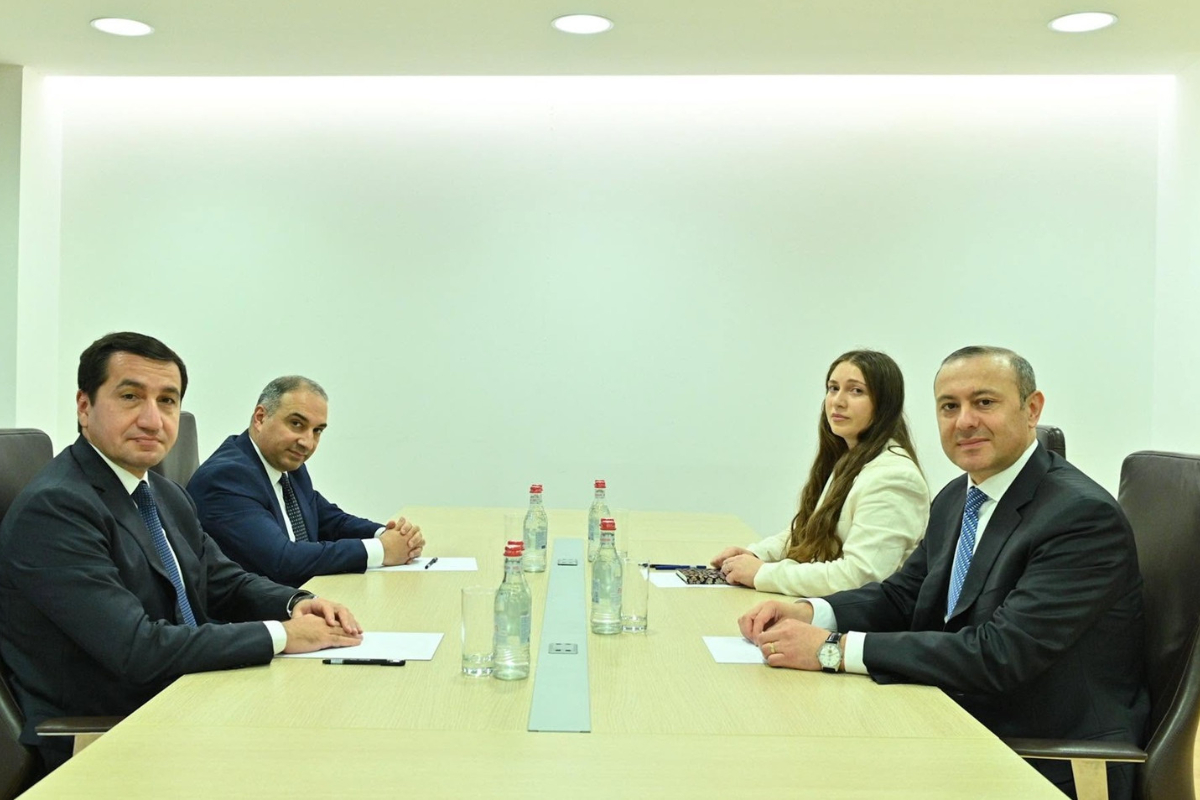
Azerbaijani Foreign Minister Jeyhun Bayramov also said “de facto peace” currently exists between Armenia and Azerbaijan. He made the remarks at a press conference following talks with Russian Foreign Minister Sergey Lavrov earlier this week. Bayramov said the ongoing normalization process, including the initialing of the draft peace agreement, had created a unique opportunity to establish long-term peace, security and prosperity in the region.
Iran
Military hostilities between Iran and the United States have intensified following the collapse of an interim ceasefire agreement. On July 22, the U.S. military completed its 11th consecutive night of strikes against Iranian targets. Washington said the operations were intended to reduce Iran’s ability to threaten commercial shipping in the Strait of Hormuz.
Iran has responded with missile and drone attacks against U.S. forces in neighboring countries, including Jordan, as well as targets in Gulf states hosting American troops. The latest exchanges have resulted in further U.S. military casualties and increased the risk of the conflict expanding across the region.
Control of the Strait of Hormuz remains at the center of the confrontation.Iran-aligned Houthi forces in Yemen have also threatened Saudi shipping in the Red Sea, creating the possibility of an additional maritime front.
Diplomatic efforts have so far failed to produce a breakthrough. Mediators reportedly proposed a 10-day ceasefire intended to revive the previous interim agreement, while Pakistan has offered to facilitate negotiations between Tehran and Washington. However, continued military operations and disagreements over the Strait of Hormuz, Iran’s nuclear program and regional security arrangements have overshadowed the initiatives.
The renewed fighting has reinforced concerns that neither side currently has a clear pathway toward de-escalation.
Russia
Senior Russian lawmakers have issued renewed warnings to Armenia and Azerbaijan over their efforts to deepen relations with Western partners, arguing that closer alignment with Europe could carry economic and political consequences.
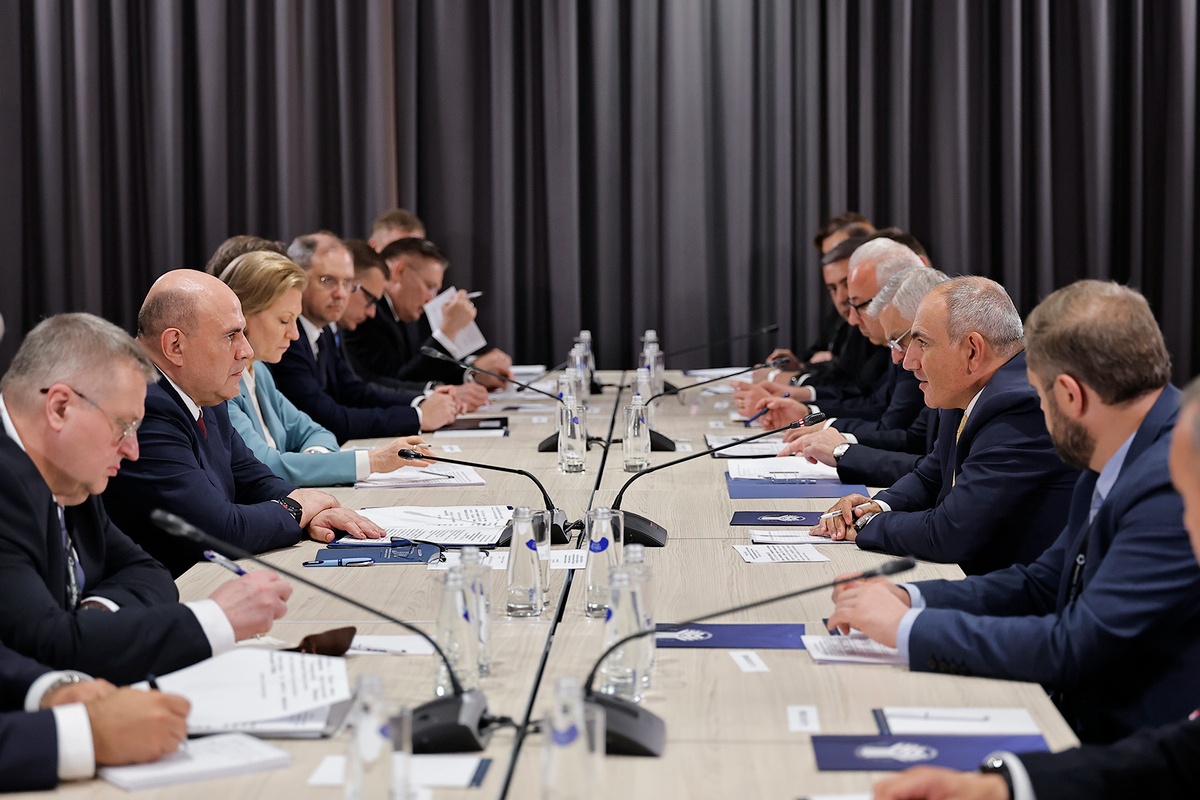
Vladimir Dzhabarov, a member of Russia’s Federation Council, said that Armenian Prime Minister Nikol Pashinyan and Russian Prime Minister Mikhail Mishustin had held an important discussion in Yekaterinburg, during which Yerevan had been clearly informed that it must make a strategic choice. He argued that, amid continued global instability, Armenia’s security and economic viability depend on maintaining close relations with Russia and remaining a member of the Eurasian Economic Union. Dzhabarov also pointed to reported dissatisfaction among Armenian agricultural producers facing difficulties exporting their goods because of Russian restrictions. “Russia does not intend to take revenge on the Armenian people, but it must be understood that we also have our own interests,” he said.
Separately, Russian State Duma member Alexander Tolmachev criticized Azerbaijan’s efforts to expand strategic engagement with Germany. His comments followed Azerbaijani President Ilham Aliyev’s official visit to Berlin on July 21, during which he met Germany’s president and chancellor and expressed interest in elevating Azerbaijani-German relations.
Tolmachev argued that Baku appeared to be following Armenia’s path by moving away from Russia and seeking closer ties with Europe. He claimed similar policies had previously resulted in economic and political difficulties, citing Armenia and Ukraine as examples.
While acknowledging that cooperation with European countries is not inherently problematic, Tolmachev argued that Western partners frequently make the weakening of relations with Russia a central condition of closer engagement. He added that such a shift could affect economic relations and longstanding cultural, historical and religious ties.
Turkey
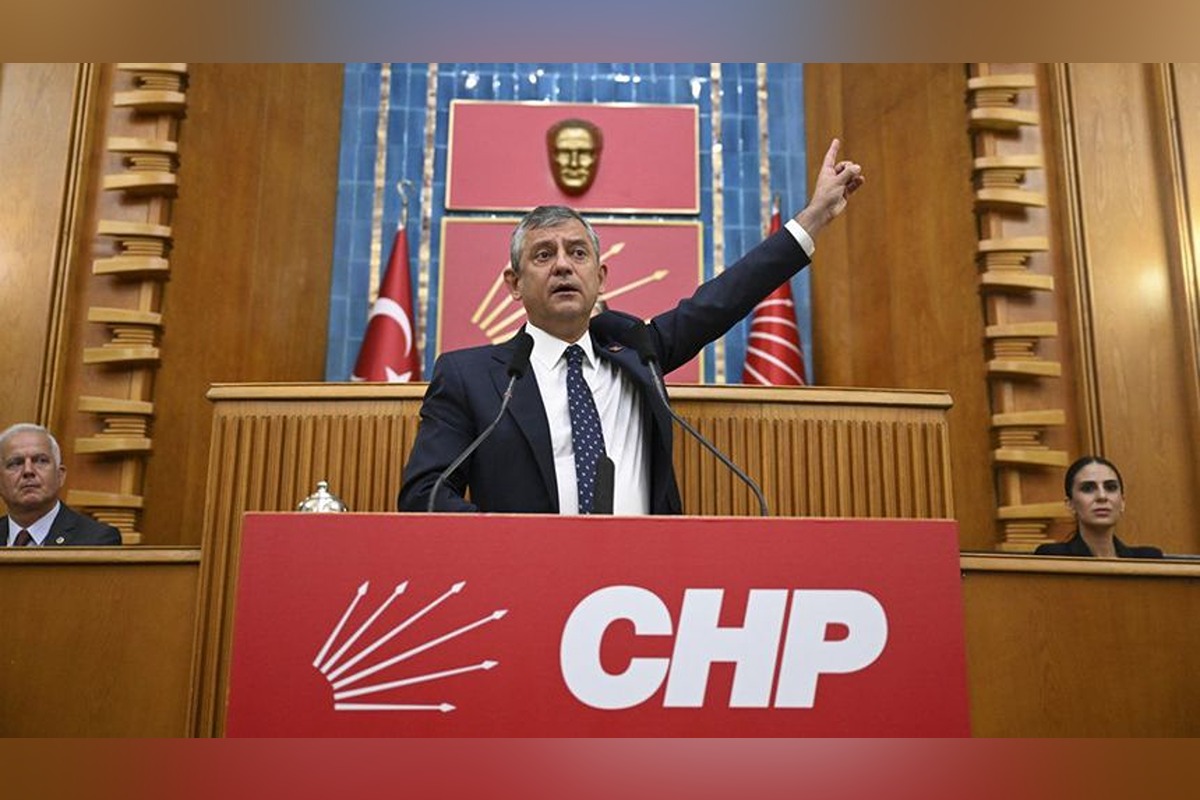
Ozgur Ozel, the ousted leader of Turkey’s main opposition Republican People’s Party (CHP), has announced plans to establish a new political party aimed at challenging President Recep Tayyip Erdogan.
The announcement comes several months after a court ordered Ozel’s removal as CHP leader. Critics have described the ruling as politically motivated and intended to weaken Turkey’s opposition. His dismissal, together with the reinstatement of former CHP leader Kemal Kilicdaroglu, prompted significant discontent among many party supporters.
Speaking before CHP parliamentarians and other officials, Ozel said the new party would be launched alongside lawmakers elected by the public. He presented the initiative as part of a broader effort to assume political power in Turkey.
The new movement, reportedly named Yeni Parti, or “New Party,” is expected to be formally launched this week.
A substantial number of the CHP’s 135 members in Turkey’s 600-seat parliament are expected to leave the party and join the new formation. Ozel claimed the party would become the country’s leading parliamentary opposition force by a significant margin.
Separately, Turkey’s Ministry of Trade has reportedly introduced a technical adjustment to its customs system as part of the normalization process with Armenia.
According to the pro-government Turkish newspaper Sabah, Armenia’s official country code, 077, may now be used in customs declarations for imports, exports and transit transactions conducted through third countries. The relevant changes have reportedly been incorporated into Turkey’s BILGE customs system.
The measure would allow Armenia to be identified as the final destination or country of origin for goods transported through third countries. However, the reported changes and stated trade targets have not yet been officially confirmed by either Turkish or Armenian authorities.
According to the report, annual trade between Turkey and Armenia currently amounts to approximately $335 million to $350 million, with a stated short-term objective of increasing the figure to $1 billion.