



Artsakh’s churches destroyed amid peace talks
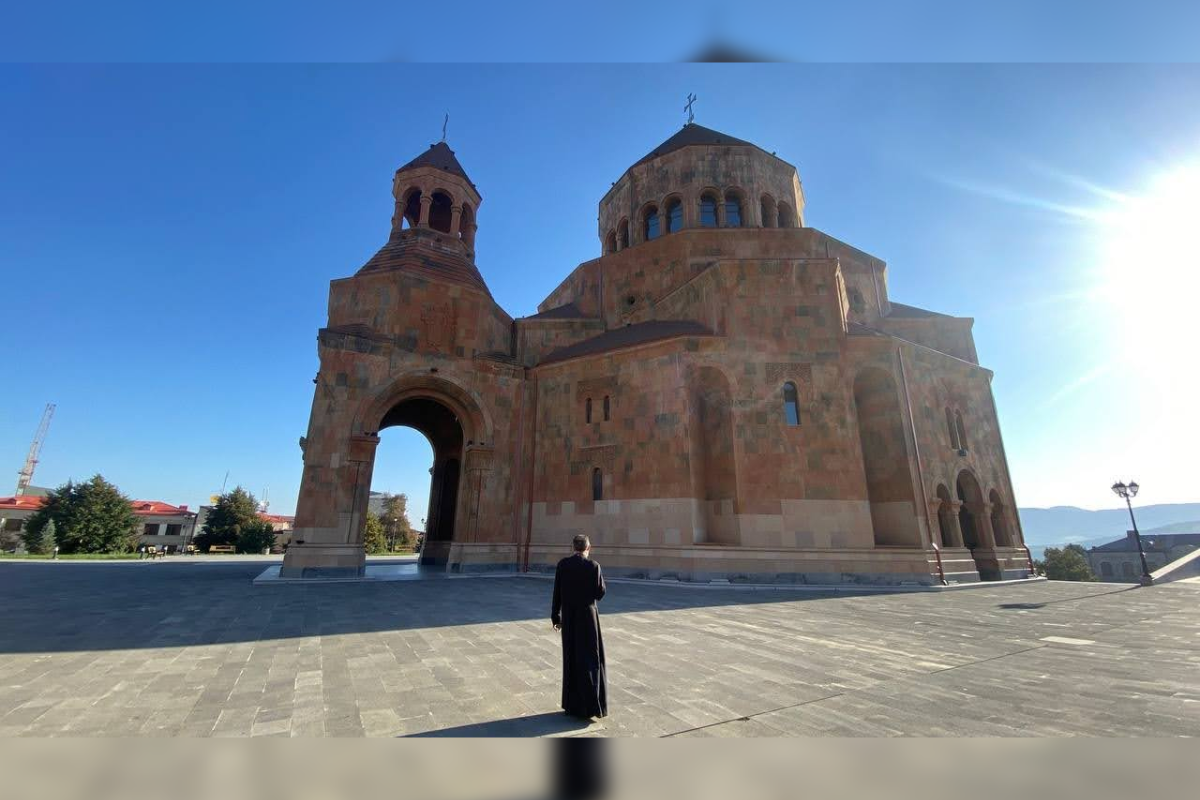
Azerbaijan has demolished Stepanakert’s Holy Mother of God Cathedral, the second church destroyed in one week, as the cultural genocide targetting Artsakh’s sacred heritage continues under Azerbaijani state direction.
This deliberate assault follows the razing of Stepanakert’s St. Hakob Church days earlier and forms part of a systematic policy. Other sites reportedly destroyed include Shushi’s St. John the Baptist Church; St. Sargis Church in Tandzatap and Mokhrenes villages; St. Hambardzum Church in Berdzor; and the Holy Mother of God Church in Mekhakavan, among numerous other Armenian religious sites across occupied Artsakh.
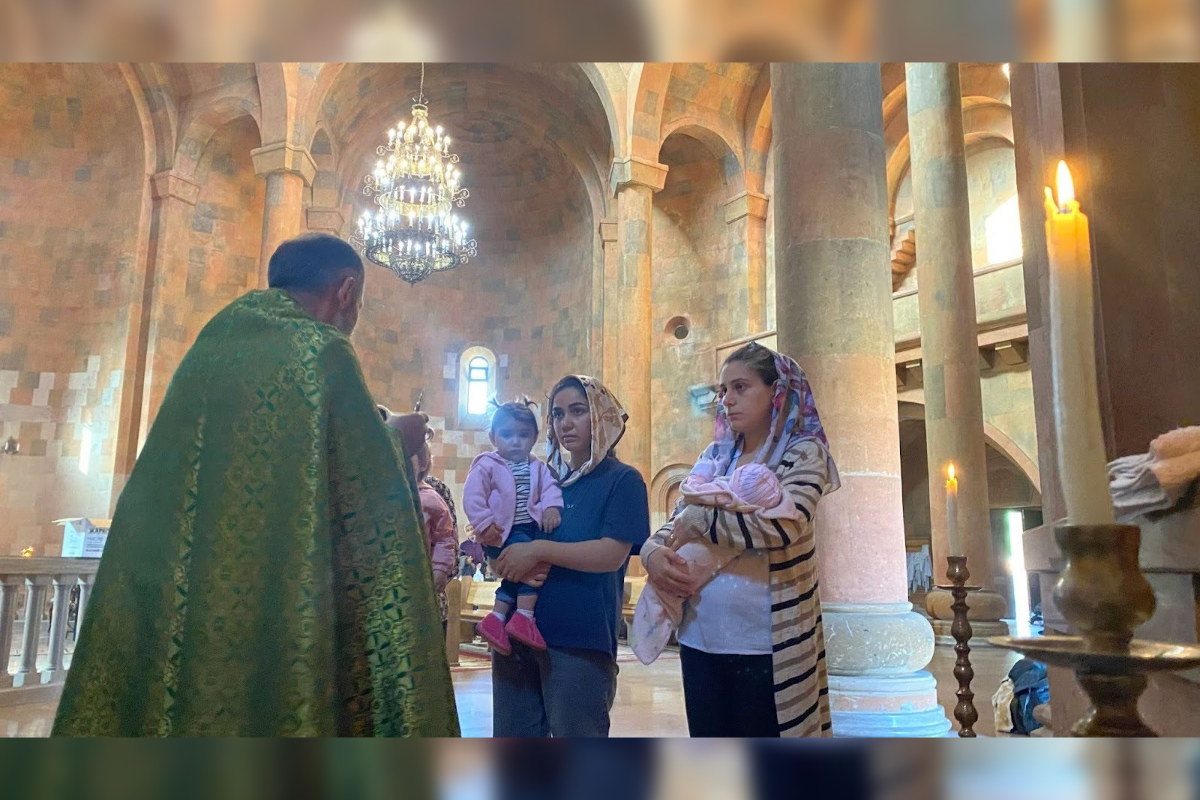
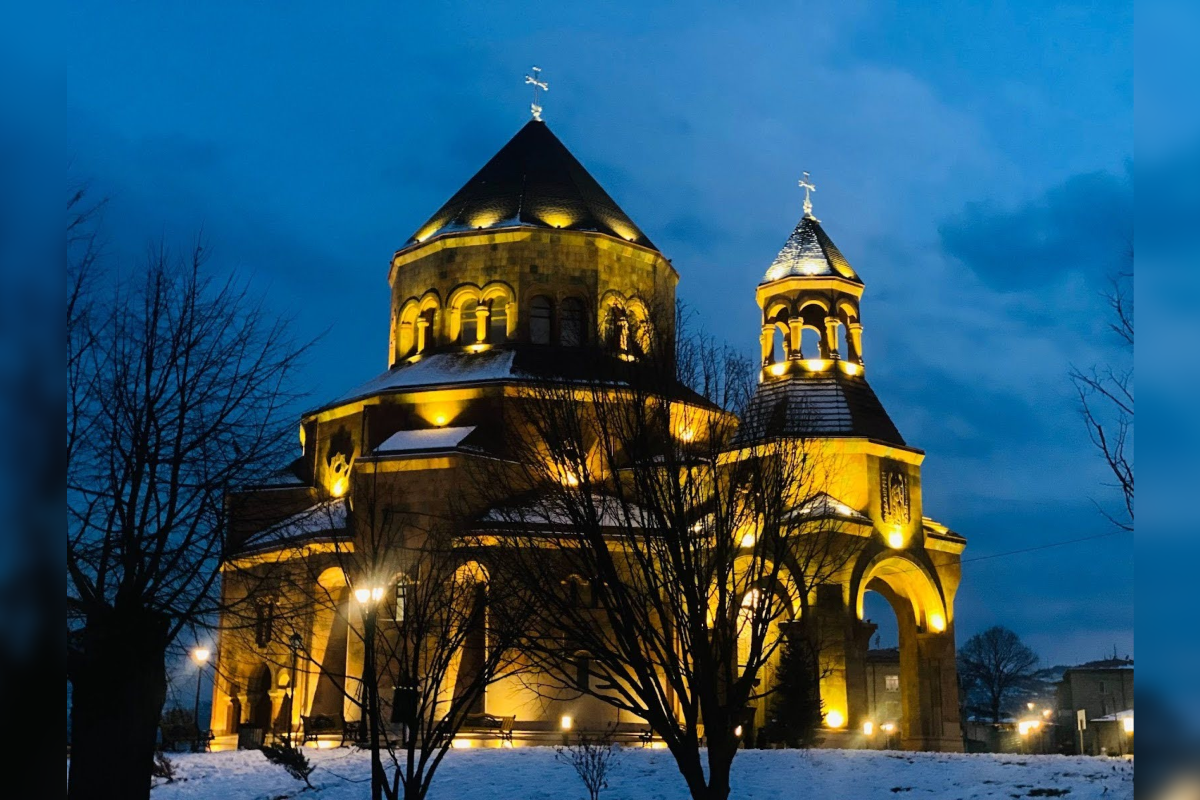
Stepanakert’s Holy Mother of God Cathedral, a landmark structure, was the largest church in Artsakh and the 90th in its diocese. Its foundation stone was laid in 2006 by Catholicos of All Armenians Karekin II. Designed by architect Gagik Yeranosyan, construction lasted 12 years before its consecration in 2019. The structure stood about 40 meters tall, with a 30-meter diameter nave supported by six pillars and three entrances. Beneath it was a 6-meter basement hall over a 2.6-meter reinforced concrete slab, with plans for a 24-meter bell tower. The cathedral was built on the site where the late-19th-century Church of the Holy Mother of God once stood. That church was completely destroyed during the Soviet period.
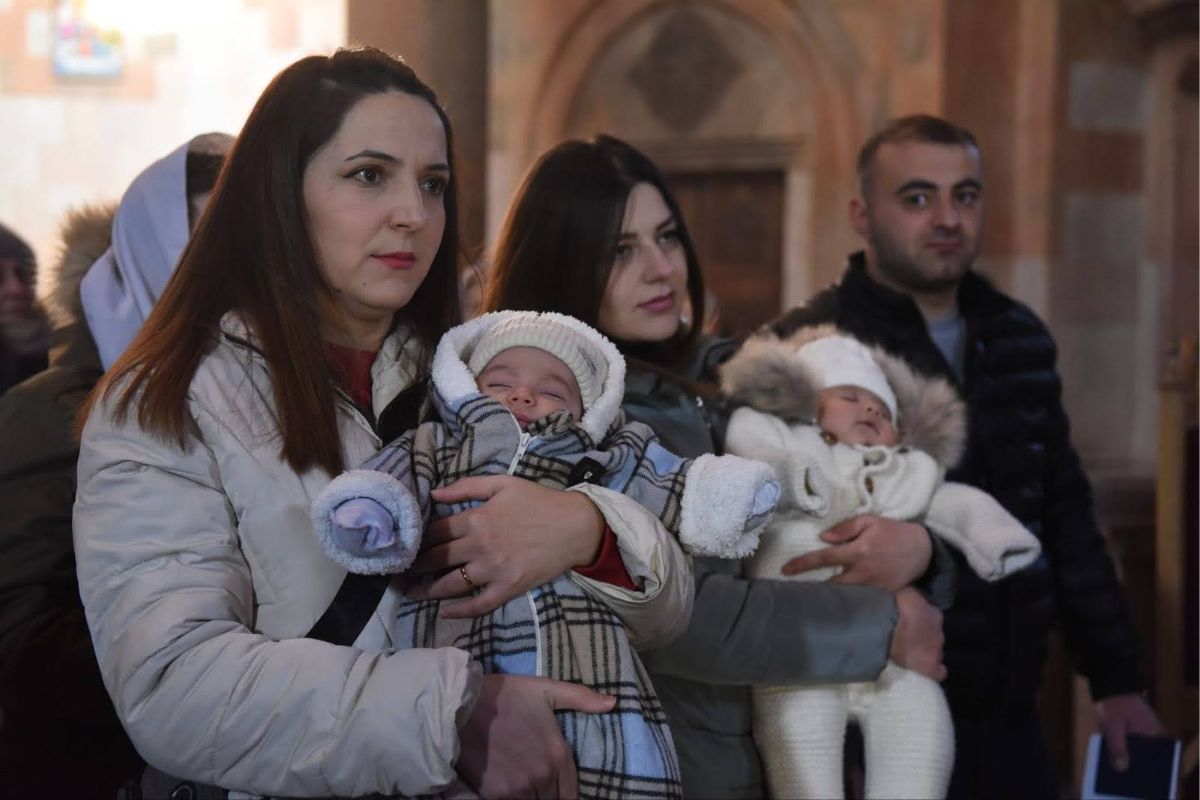
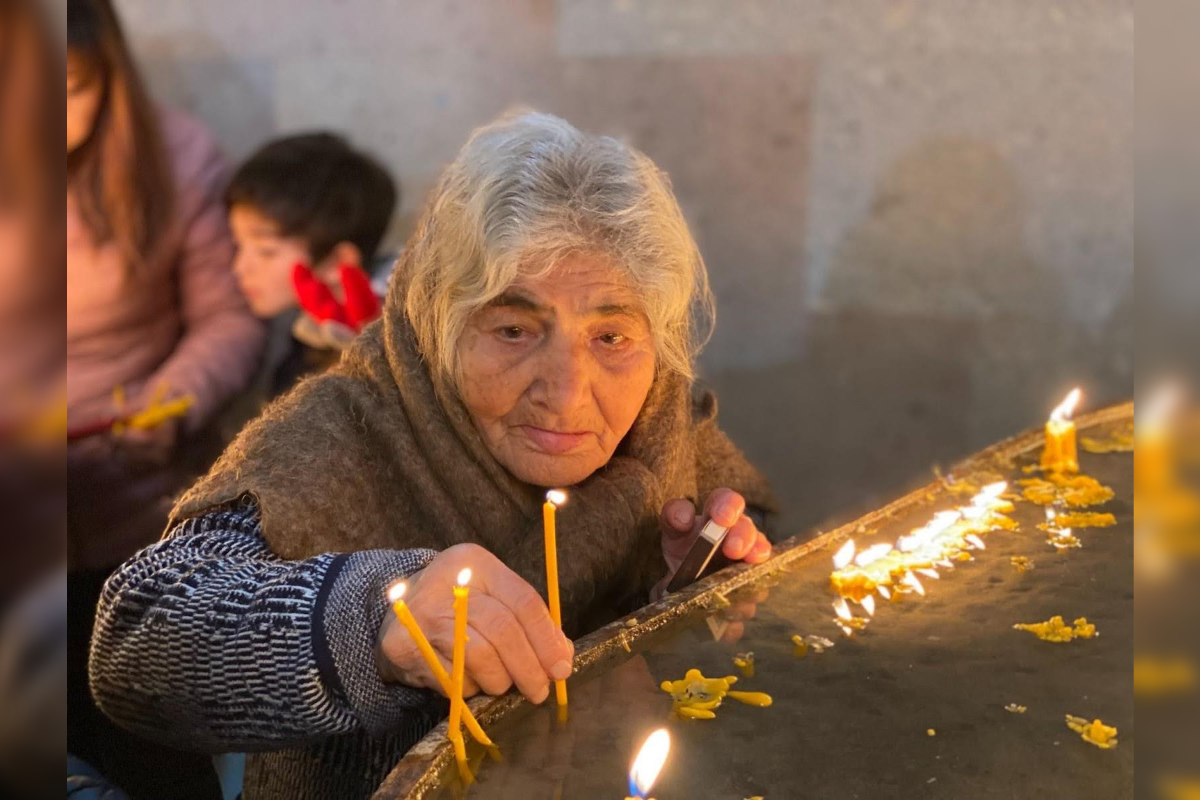
Despite its short existence, the cathedral became a place of refuge and resilience during Artsakh’s most difficult times. During the 2020 war, its lower hall sheltered hundreds of Artsakhis from Stepanakert, Hadrut and other districts. During the blockade, it remained a rare source of continuity: Christmas and Easter were marked with few candles, about 100 newborns were baptized there in a single day, and modest weddings were held without elaborate ceremonies.
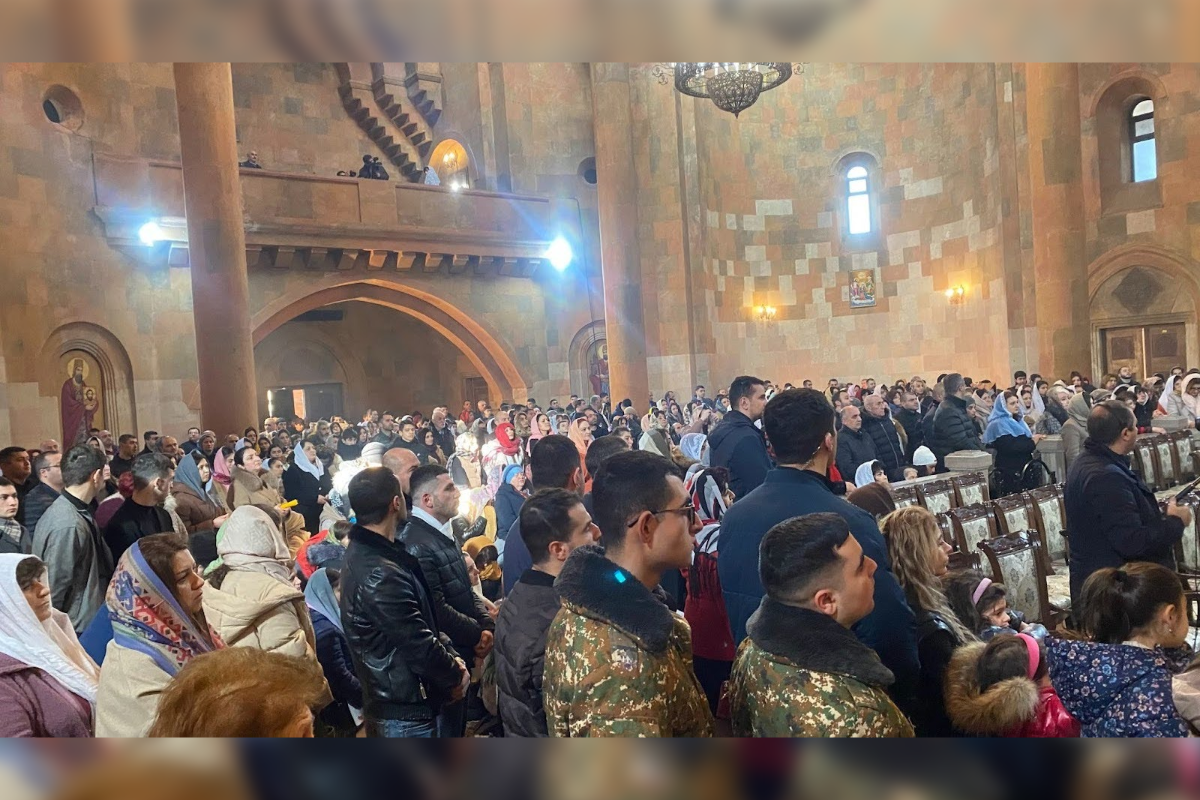
During the forced displacement in 2023, many people came to the cathedral to say farewell before leaving their homes.
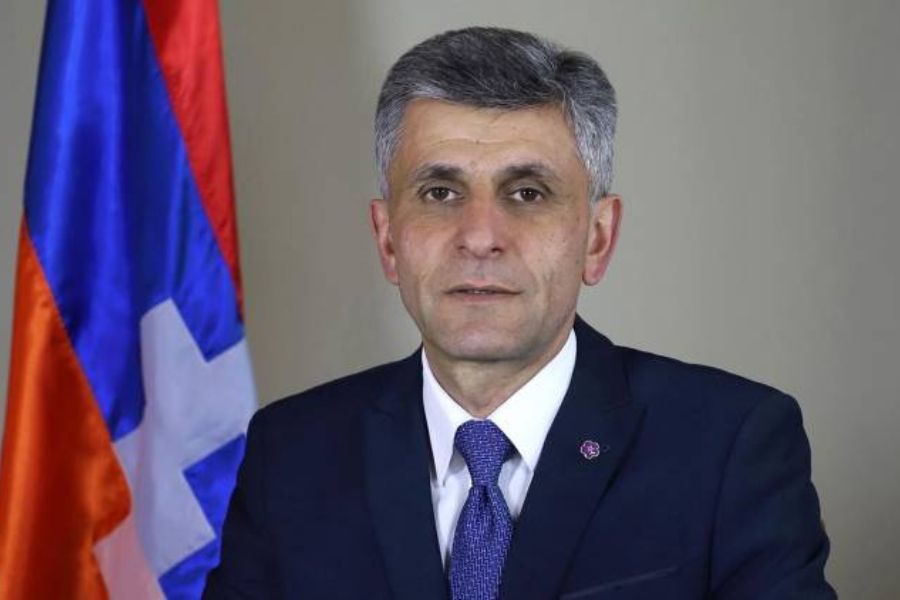

“The destruction of the cathedral on the 111th anniversary of the Armenian Genocide once again openly reveals Azerbaijan’s genocidal policy and its true face. What is taking place in Artsakh can no longer be described as a series of isolated incidents or as uncontrollable ‘vandalism.’ It is a deliberate policy aimed at erasing every visible trace of the Armenian presence. The demolition of Stepanakert’s Holy Mother of God Cathedral is the latest, though not accidental, chapter in that campaign,” said Hovik Avanesov, the ombudsman for Artsakh’s cultural heritage and vice president of the National Historical and Cultural NGO.
Avanesov said that, more alarmingly, open calls to demolish the church had circulated on Azerbaijani social media before the attack, making the destruction not only foreseeable but openly prepared. He added that when such calls go unpunished and are carried out, it reflects not isolated acts but a broader system in which hatred is used as an instrument.
A similar pattern was evident in the destruction of Stepanakert’s St. Hakob Church, reported days earlier. In a statement, the Artsakh Diocese said: “With deep sorrow, we strongly condemn the complete demolition of St. Hakob Church in Stepanakert by the occupation authorities of Azerbaijan. For years, St. Hakob Church served as a spiritual center of Stepanakert, where thousands of Artsakh Armenians lifted heartfelt prayers to God and where the Body and Blood of our Lord and Savior Jesus Christ were distributed every Sunday.”
It is also worth recalling Stepanakert’s theater fountain, a familiar landmark not only because of its design and place in the city’s memory, but also served as a source of water during the 1990s war and again during the blockade, when electricity was scarce and daily life had been reduced to survival. People carried water from it by hand, just as they now watch the city’s churches and monuments disappear.
This is happening amid Armenia-Azerbaijan peace talks and reciprocal visits, in the face of silence and complicity by Armenia’s authorities and international institutions, while the cultural genocide in Artsakh continues.

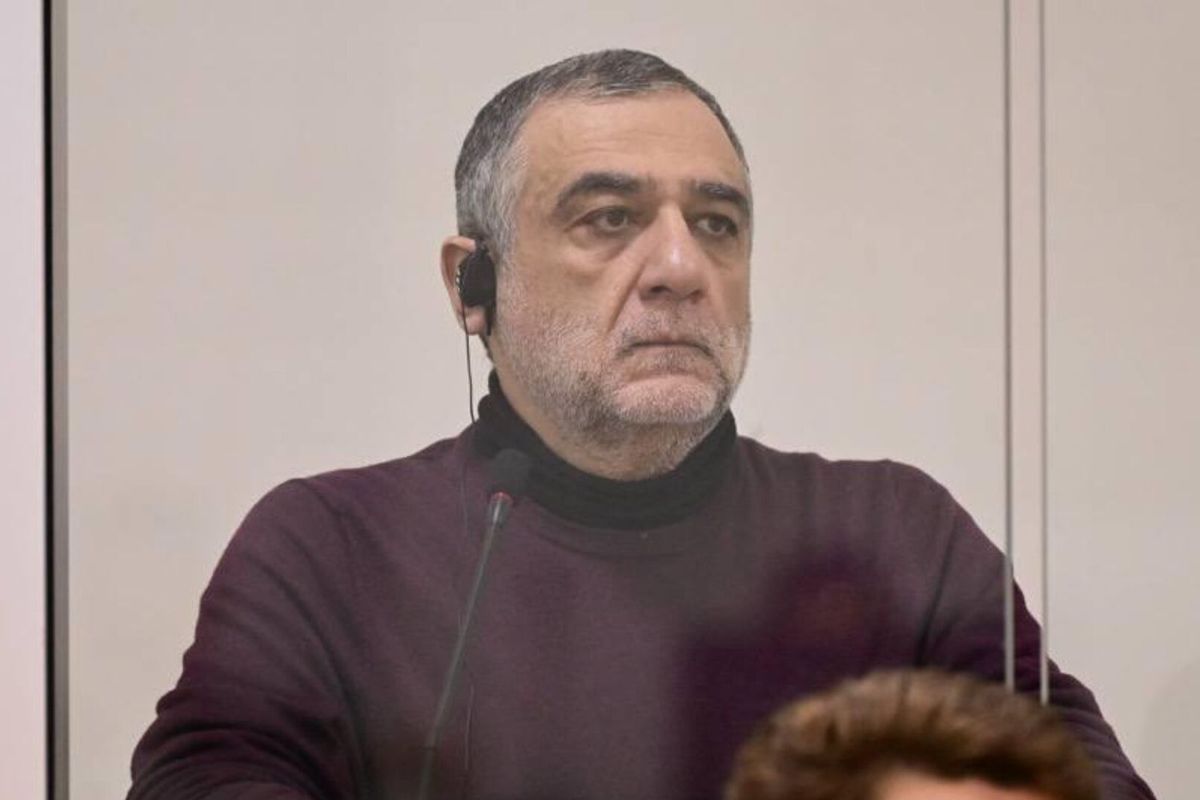

The supporters of Nikol Pashinyan and of this so-called “peace treaty” with genocidal Azerbaijan are conspicuously silent about that fascist regime’s systematic and relentless cultural Armenian Genocide. I wonder why? Might they be embarrassed perhaps? No chance of that! They, just like their archtraitor idol Pashinyan, regard these cultural atrocities committed by Azerbaijan as mere “inconveniences” to be swept under the rug so they don’t hinder the capitulation treaty the satrap Pashinyan signed for the subjugation of Armenia as a neocolony of Azerbaijan and Turkey.
Instead of speaking out against the cultural desecration going on in Artsakh, Pashinyan berates a mother with her 5 year old son on the Yerevan metro. Instead of sending the military to open up the Lachin Corridor during the blockade of Artsakh, Pashinyan sent rescue workers to help the Turks during the earthquake. He fires a top genocide scholar at the Armenian Genocide Memorial because she tries to advocate for the Armenian people and the injustice they continue to suffer with the US Vice President. How could any self respecting Armenian vote for this guy?!
If he loses the election there should be an immediate forensic analysis of the finances of Pashinyan and top members of the Civil Contract Party to see if they have accepted bribes from the enemy.