



“The Millet System” and Ottoman multiculturalism
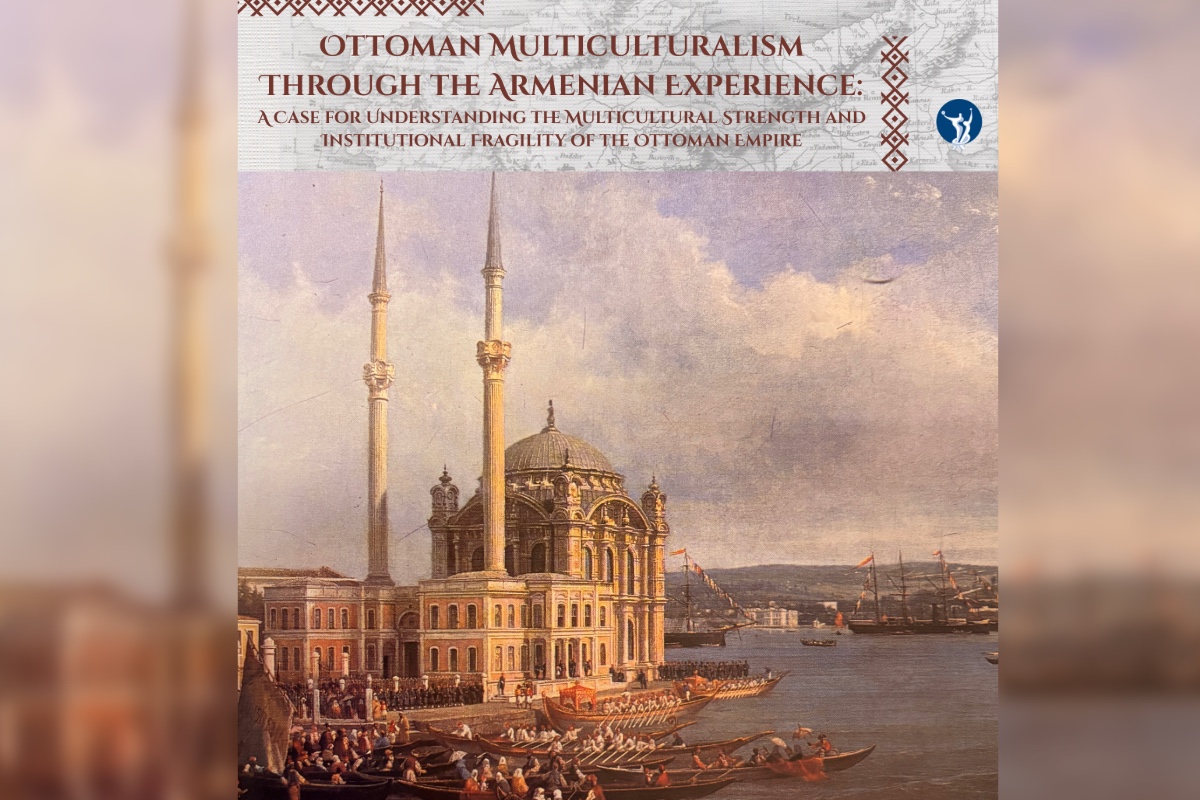
The diverse population of the Ottoman Empire was governed through a structure known as the millet system. Rather than organizing peoplehood by ethnicity or language, the empire classified its subjects primarily according to religious community. Each recognized community, called a millet, was permitted to manage many of its internal affairs while remaining loyal subjects of the Ottoman state. However, the millet system did not create complete equality as we understand it today in the context of Canadian multiculturalism. It did not afford equal individual rights to all Ottoman citizens, as non-Muslims were legally classified as dhimmi and were required to pay a special tax known as jizya.
The most prominent millets included the Greek, Armenian and Jewish communities. Each had a recognized leader who served as an intermediary between imperial authorities and the community itself. For Armenians, this role was held by the Armenian Patriarch of Constantinople; for Greeks, by the Greek Patriarch; and for the Jewish community, by the chief rabbi, the Hakham Bashi. These leaders were responsible for representing their communities before the government, organizing schools and charitable institutions, administering family law, managing churches and synagogues (including more than 2,300 Armenian churches), and assisting in the collection of certain taxes.