



Leaders must know when to pump the brakes

Whenever countries, organizations or other institutions fall into crisis, the term “leader” and its variants take center stage. The global Armenian nation is no exception. We all have our opinions about our leaders, whether they are political, educational or religious figures. Given our insatiable appetite for criticizing (often without offering solutions), most of our opinions are negative and, in many cases, inappropriately personal. Of course, the problem with expressing an opinion in the digital age is that it is shared, replicated and distorted very quickly. Digital platforms and social media are the main sources of our newest distraction: misinformation.
There are few ramifications for opinions, regardless of their inaccuracy, in our world of instant gratification. By definition, leaders are often associated with descriptors such as inspiring, motivating, integrity and decision making. These are essentially behavioral traits that we seek or observe in our leaders. Quite often in our communities, we identify “leaders” as a result of an election (such as a parish council or board of trustees) or appointment. These are entitlements that enable power and authority, but true leadership is reflected in how the constituency responds. Leaders need followers, and it is the latter who eventually decide the quality of leadership. In my view, some of our best leaders lack the entitlement but are respected for their behavioral attributes by followers. The best leaders have followers who are driven not by obligation but by the perception that their needs will be met.



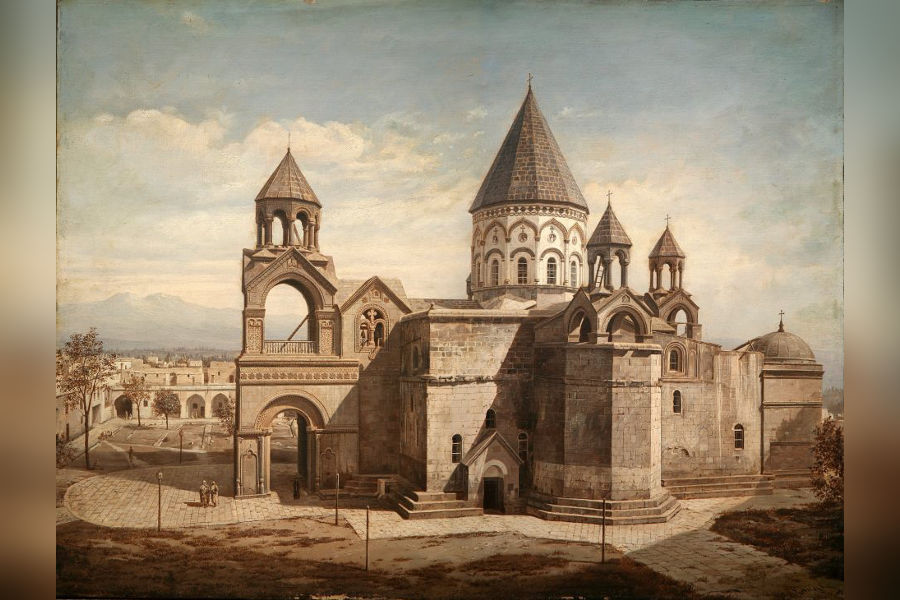
For understandable and appreciative reasons, well worded Stepan. Maybe a bit cautionary for my train of thought. I am a bit more predisposed. In my view, the ball outright is and has been at the Etchmiadzin’s ecclesiastical hierarchy’s corner to kick and set things in motion for much needed reformation at Etchmiadzin.