


The Armenian-Azerbaijani peace process has reached a paradoxical juncture, marked by parallel yet contradictory dynamics. On one hand, measurable, incremental progress toward normalization is undeniable. The final months of 2025 saw the first commercial goods transit Armenia via Azerbaijan in three decades, alongside direct purchases of Azerbaijani energy. Cross-border expert visits resumed after a 20-year hiatus. Most significantly, the sharp decline in violence — with no frontline incidents for nearly two years — has produced a foundational stability that would have seemed implausible when scenarios of a wider Azerbaijani invasion of Armenia were still being actively discussed.
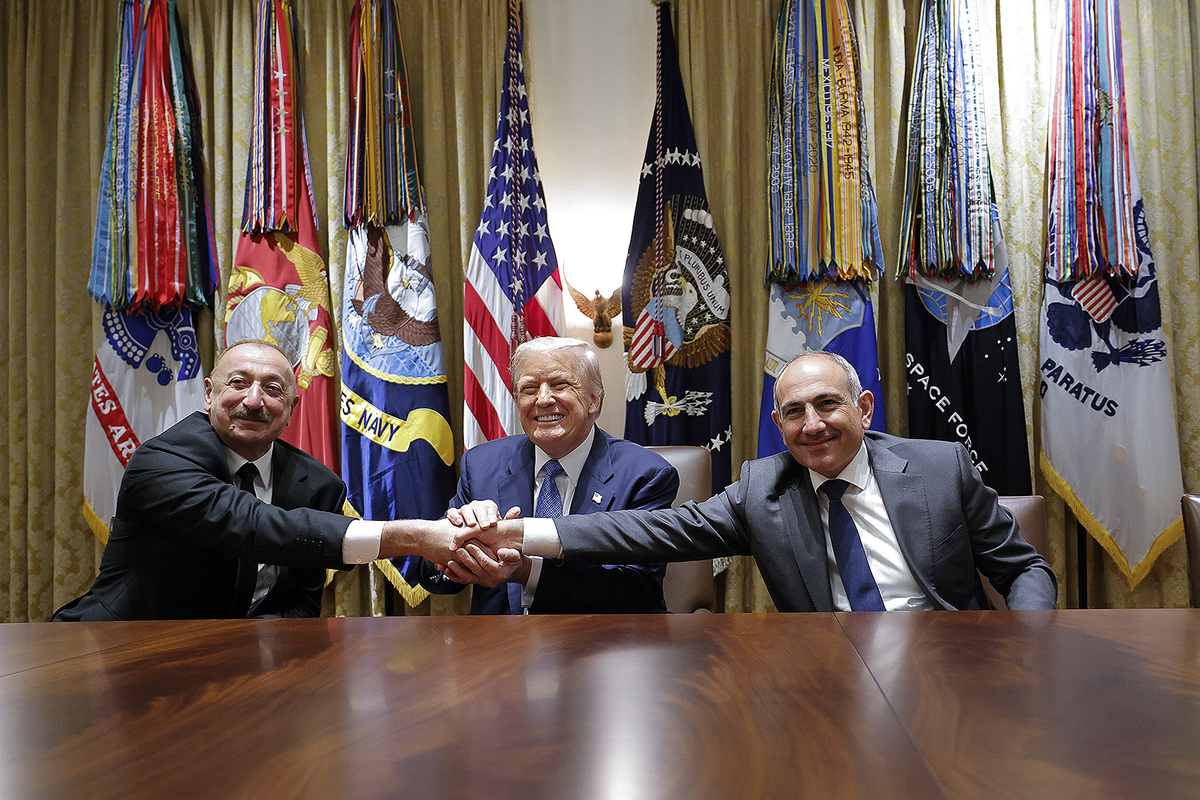
This progress is codified in a normalization treaty, published in August 2025. It was negotiated primarily by the parties themselves — a marked departure from earlier, externally mediated formats. Border delimitation talks, once dominated by outside actors, now proceed with reduced foreign arbitration. Yet paradoxically, the process continues to court external involvement, epitomized by President Donald Trump convening the leaders in Washington to cement the southern transit corridor, subsequently dubbed the Trump Route for International Peace and Prosperity (TRIPP). This duality — internal negotiation alongside strategic external patronage — defines the current moment. Furthermore, a notable, if inconsistent, discursive alignment has emerged between Baku and Yerevan.