Op-Eds

When diaspora and diplomacy cross wires

Armenian American advocacy has earned respect among policymakers in Washington and grassroots influence across all 50 states — first and foremost, because it serves, without reservation or equivocation, the aims, interests and ambitions of Americans of Armenian heritage and our many allies: citizens who care about the fate of the world’s first Christian nation. We are an American advocacy and lobbying community. That is our enduring strength: the moral, political and legal foundation for our place of trust in the U.S. political landscape.

It is precisely for this reason, and in order to protect our credibility as authentically American civic stakeholders, that we must remain vigilant against false charges of dual loyalty and steer clear of conflicts of interest, real or perceived, that could undermine our standing. We do not represent any foreign state. We do not take instruction from any foreign ministry. We do not calibrate our positions to fit the needs of any foreign government. Our mandate is simple: to advocate for Americans, under the rights afforded to us by the U.S. Constitution.

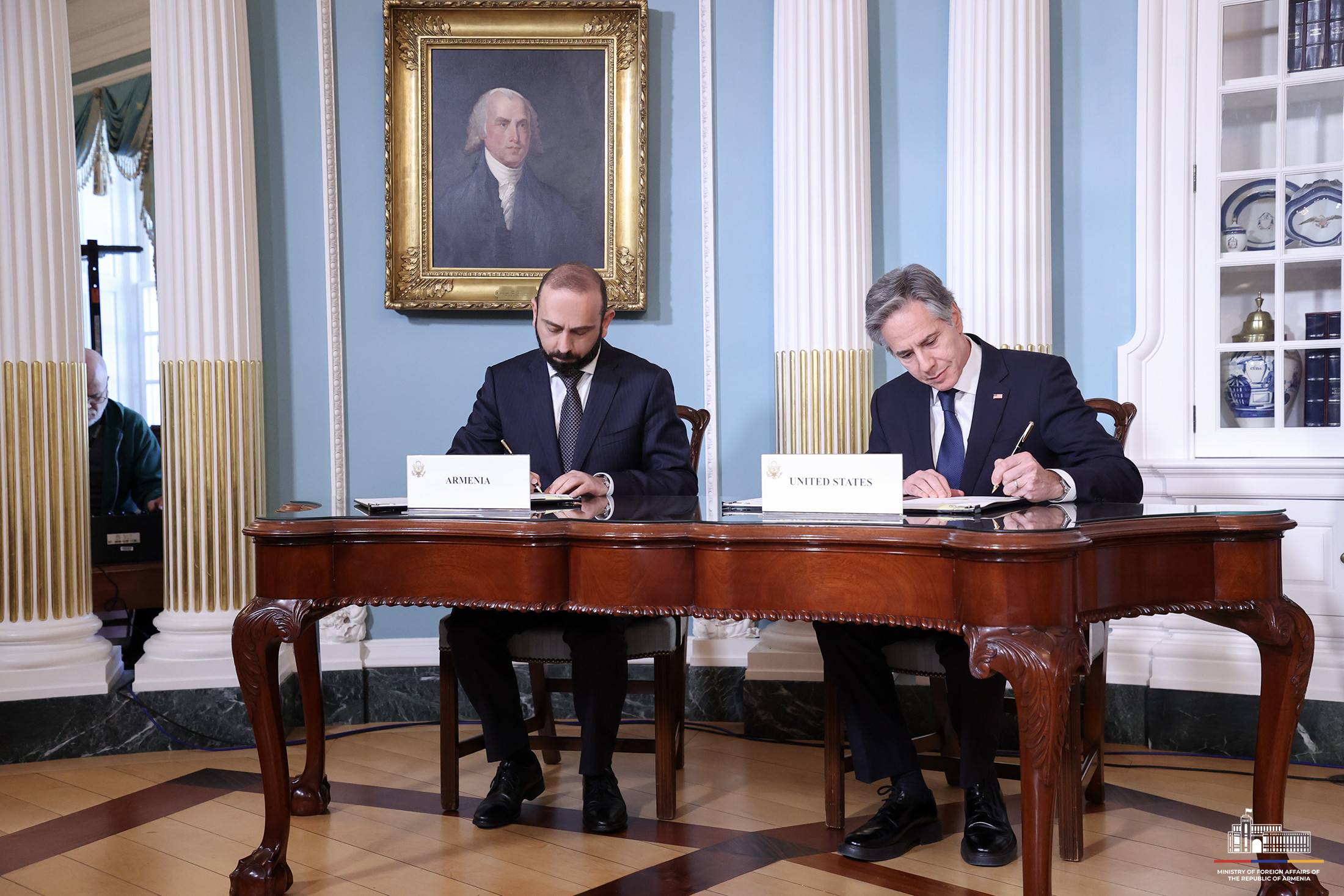
 This matter is brought into sharp focus in the person of Oscar Tatosian, a fine man and proud Armenian, who wears two hats: co-chair of the Armenian Assembly of America, a U.S.-based advocacy group, and Honorary Consul of Armenia in Chicago. Both are important roles involving meaningful work, but they should not be held by the same individual. There is no shortage of capable leaders within the Assembly’s board or the Chicago Armenian community who could fill either position, allowing Mr. Tatosian to focus his considerable skills and energies on one responsibility at a time.

The concern here is not personal. Mr. Tatosian is an exemplary Armenian and a devoted American. It is structural. Advocacy requires independence and the freedom to speak truth to power, especially when doing so is inconvenient. Diplomatic representation — even honorary — demands discretion, loyalty and deference to the official positions of the appointing government. When these obligations collide, the community is left to wonder which duty takes precedence. 

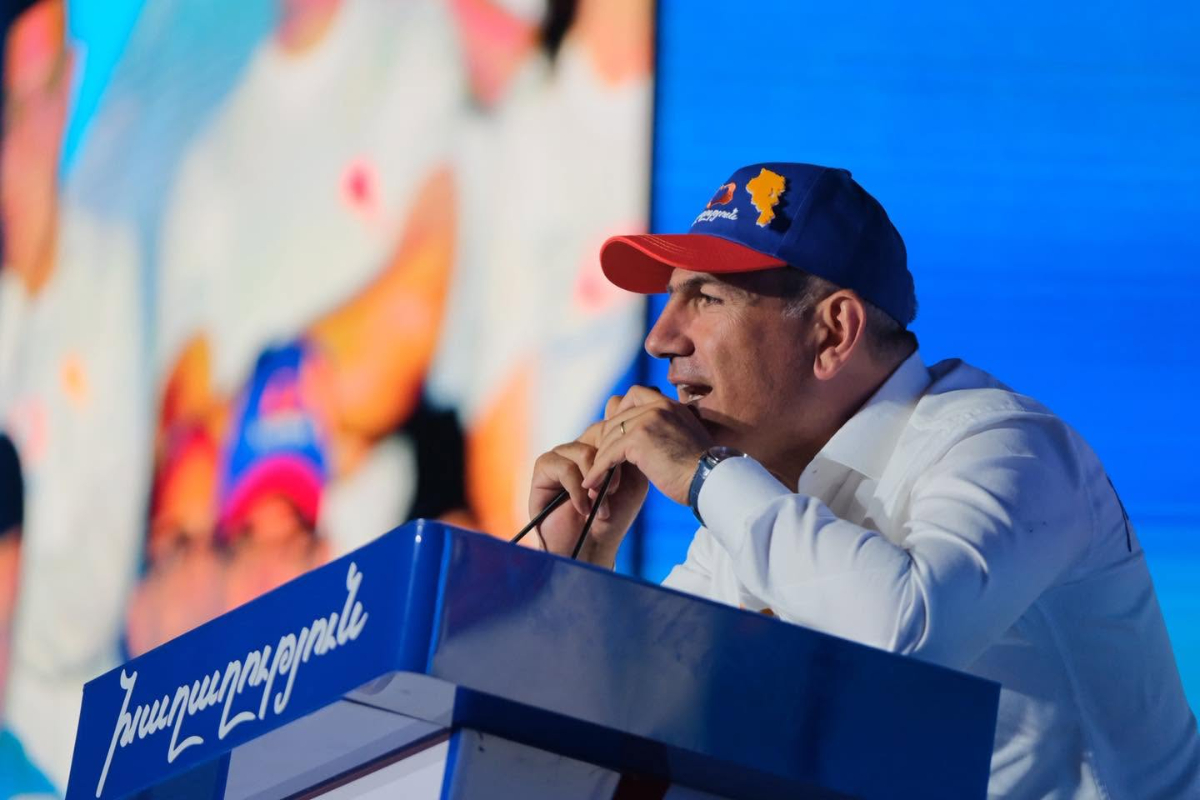
For example, when the government of Nikol Pashinyan, which appointed Mr. Tatosian, undermines the veracity of the Armenian Genocide, jails dissenters, arrests archbishops and attacks the Armenian Apostolic Church or declares Artsakh Azerbaijani territory, is Mr. Tatosian expected to remain silent as an honorary consul or to speak out as an Armenian American advocate?

If government policy abandons Artsakh, forsakes Armenian hostages and gives Azerbaijan a free pass for atrocities, is Mr. Tatosian constrained by his diplomatic role, his advocacy role or both?

If he speaks out forthrightly on these issues, will he be reined in by Yerevan? These are questions we should not have to ask.

There should be clear lines of authority. Consuls should answer to the Armenian government. Similarly, advocacy leaders should answer only to American citizens. It would be far better to end this practice now, in the interest of all involved and in defense of the hard-earned standing Armenian Americans have built over generations.

Varant Chiloyan

Varant Chiloyan was born in Aleppo, Syria and immigrated with his family to Watertown, MA at a young age. He received his degree in mechanical engineering from Boston University in 2014. He is a proud member of the AYF and currently a member of the Hamazkayin Eastern Region central executive.

One Comment

  1. If Oscar Tatosian registers as a foreign agent of the Armenian Government, then when he advocates as a member of the Armenian Assembly his audience will be aware of his dual loyalty. As such the positions he publicly takes on the issues will be properly understood.

Leave a Reply

Your email address will not be published. Required fields are marked *


Back to top button