



The gift every child deserves
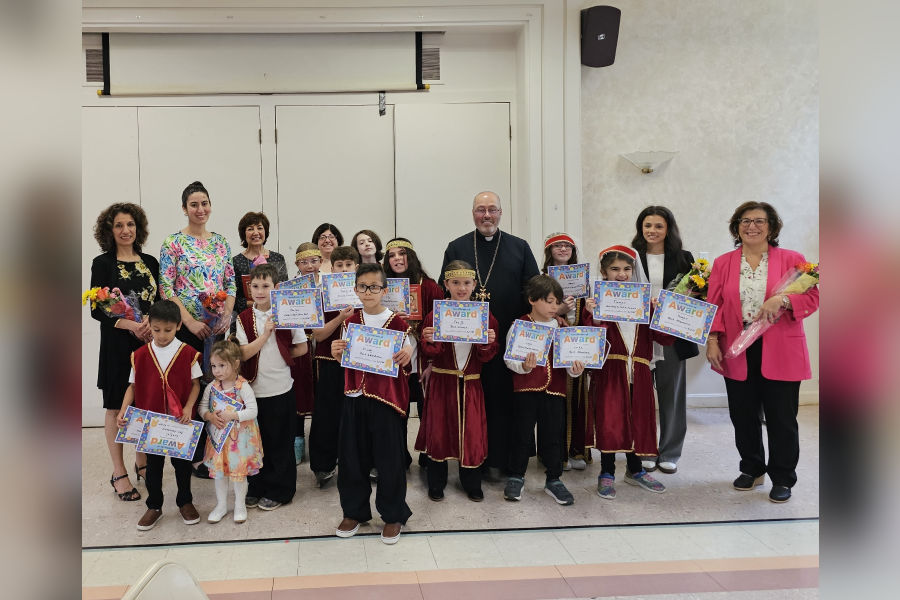
September always carries a special kind of energy.
After the slower pace of summer, life suddenly quickens. Backpacks are filled with new supplies, weekdays revolve around transportation to and from school, after-school care, homework and activities. Saturdays are often packed with sports, dance and lessons. This hectic pace can drain parents, grandparents and children alike. The expression “it takes a village to raise a child” couldn’t be truer in these times.
But what happens on Sunday mornings? What is Sunday School’s role in this village?
A 2025 survey published by St. John Armenian Apostolic Church found that among church members with children under 18, only 54% regularly attend Sunday School. Summer camp participation was lower, at 31%, and other youth activities fared even worse.
While Sunday School remains the most attended youth program, fewer than 40% of surveyed families even have children in that age group. Still, the report highlights a positive finding: those who do participate in Sunday School report meaningful, uplifting experiences—offering a glimmer of hope amid declining enrollment.

Across denominations, including Armenian churches, this decline is attributed to several factors:
- Increased competition from youth sports and extracurricular activities.
- Changing family priorities and cultural shifts, with fewer parents viewing Christian education as essential. As Armenian Weekly columnist Stepan Piligian recently noted, “Parents avoid including the Christian education of their children in their daily lives,” resulting in dramatic, multi-decade declines.
- Volunteer shortages, with those who step forward often feeling stretched thin or lacking training.
- Language barriers, as many children speak primarily English at home, while prayers and hymns remain in Armenian.
- Generational and demographic shifts, with diverse families raising children—including shared custody arrangements, an increase in marriages outside the Armenian community and younger parents who may not have strong church backgrounds themselves—provide unique challenges for families.
In the Armenian context, the mission of Sunday School is uniquely twofold. It is not only about passing down the Christian faith but also about preserving a fragile cultural identity. When a child learns to cross themselves in the Armenian way, sings the Lord’s Prayer (Hayr Mer) in Armenian or hears the story of St. Gregory for the first time, they are receiving not just information but also a heritage.
And yet, where there are challenges, there are also opportunities for renewal. Across the country, creative Sunday Schools are finding new ways to engage children and families. At Soorp Asdvadzadzin Armenian Apostolic Church in Whitinsville, Massachusetts, the curriculum is shaped by what parents want their children to learn and by the talents of volunteer teachers.
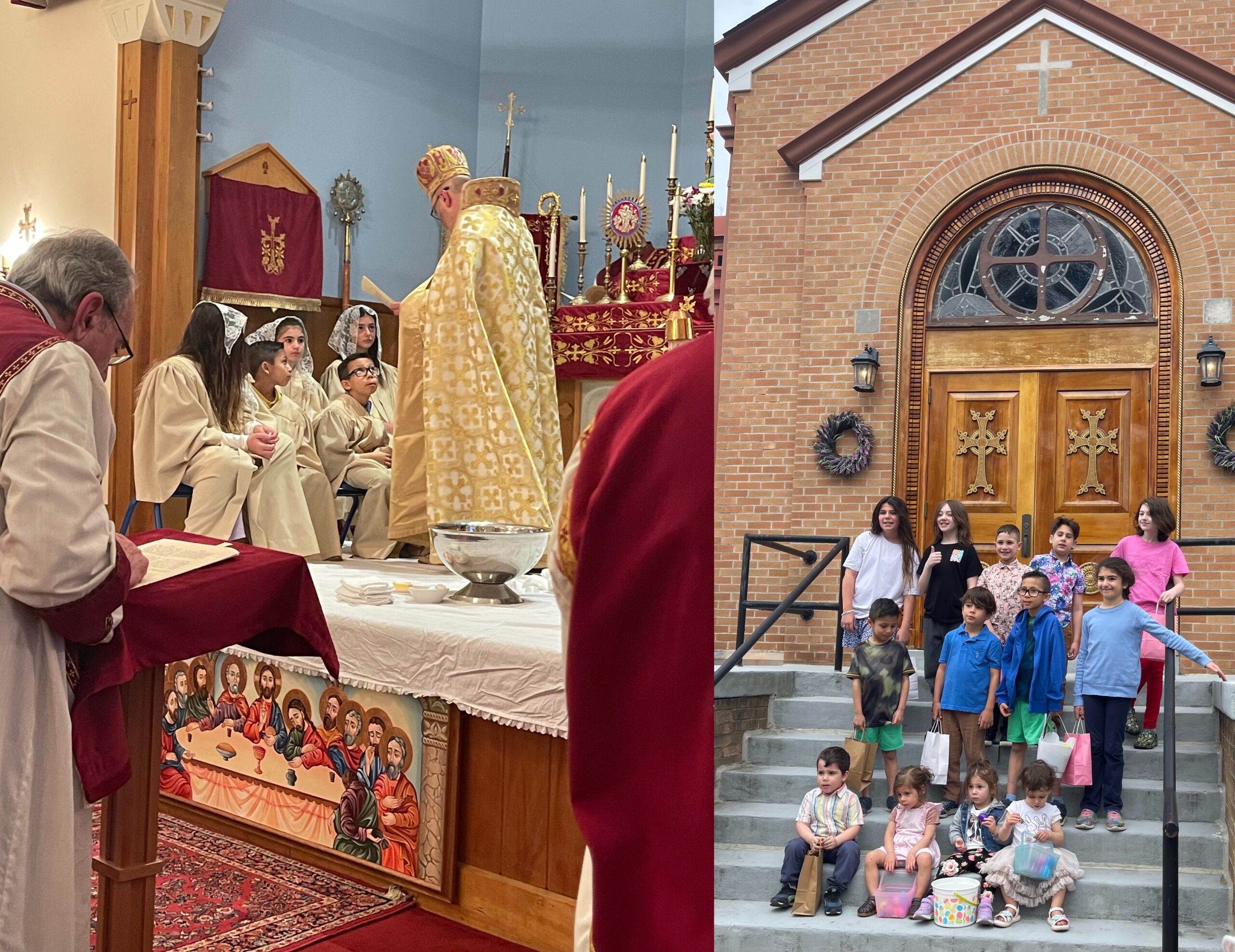
Last year, the program shifted from separate grade-level classrooms to group lessons followed by age-appropriate activities. This created a more vibrant atmosphere focused on group energy while reducing demands on volunteers. Armenian language, music, videos and games were woven into lessons, alongside monthly children’s sermons, Communion breakfasts and birthday celebrations. Children even learned three hymns, which they sang during the Badarak—impressing His Eminence Anoushavan Tanielian during his pastoral visit. Building on that success, children will take on more active roles in the Badarak this year, serving as candleholders, assisting trustees with the Kiss of Peace and distributing the blessed Mas.
While these efforts strengthen the sustainability of our church, community and culture, let is not lose sight of what matters most: how does a connection to spirituality benefit children? Inspired by the findings in Children’s Spirituality: Implications for Practice, here are a few to consider:
- Spirituality is linked to greater happiness, optimism and emotional resilience.
- Spiritual engagement fosters empathy, compassion and a sense of connection with others.
- Spirituality encourages meaningful values, self-reflection and mindful decision-making.
- Spirituality provides children with frameworks for understanding difficult events, supporting healthy coping strategies.
From my perspective, I am deeply grateful to have been taught to draw from spiritual grounding throughout all of life’s experiences—joyful and difficult alike. Let us come together as parents, grandparents, godparents, teachers and community and family members to give this gift to every child.




A superb assessment of probably one of the most important challenges facing the American diaspora. Christian Armenian education and our next generation. Without the latter engaged and informed , what’s the point. Bravo for the insight you are providing in this article and the innovation in Whitinsville. The content is the same but the tools changes on how you deliver the content.
My hope is that readers internalize the message. It has always struck me as sadly ironic that given the critical value of our youth to a secure future , we are underinvesting. How much time do we spend on Sunday Schools at BOT/Parish Council or NRA/Diocesan Assembly?