


Homenetmen Eastern Region U.S. scouts participate in the 13th Pan-Homenetmen Jamboree in Armenia
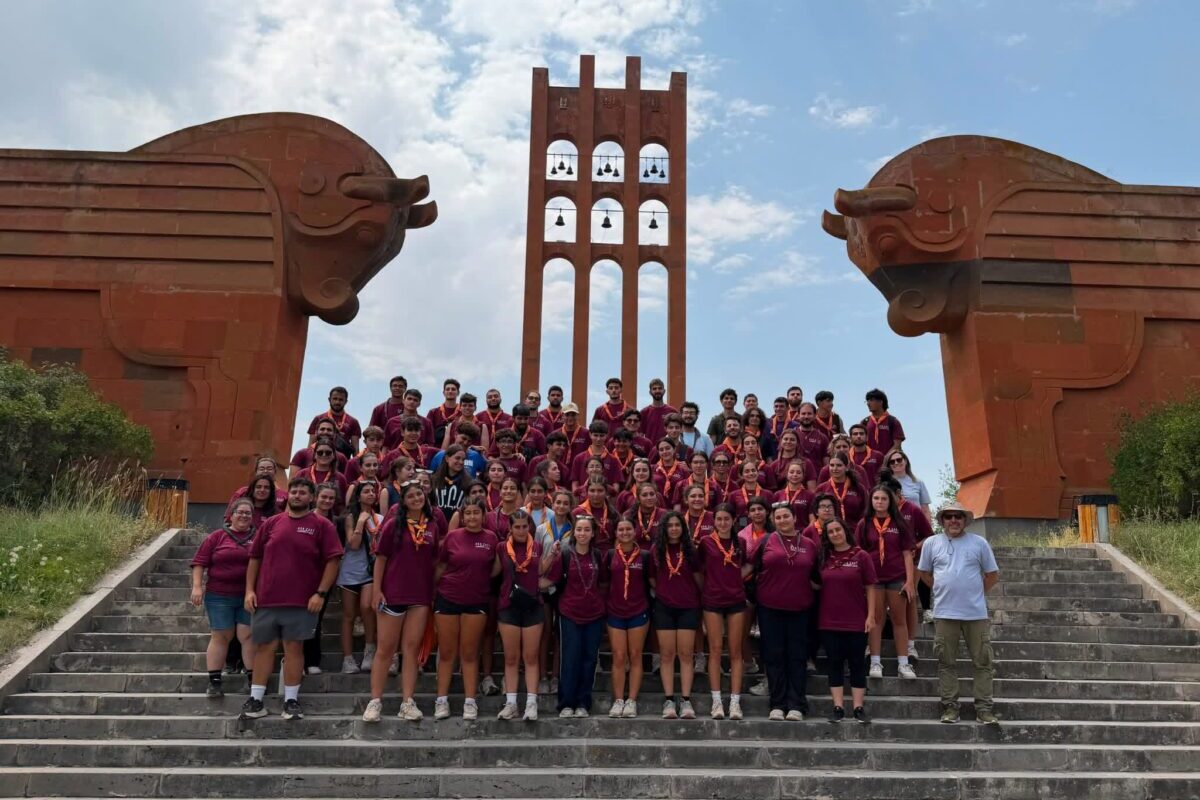
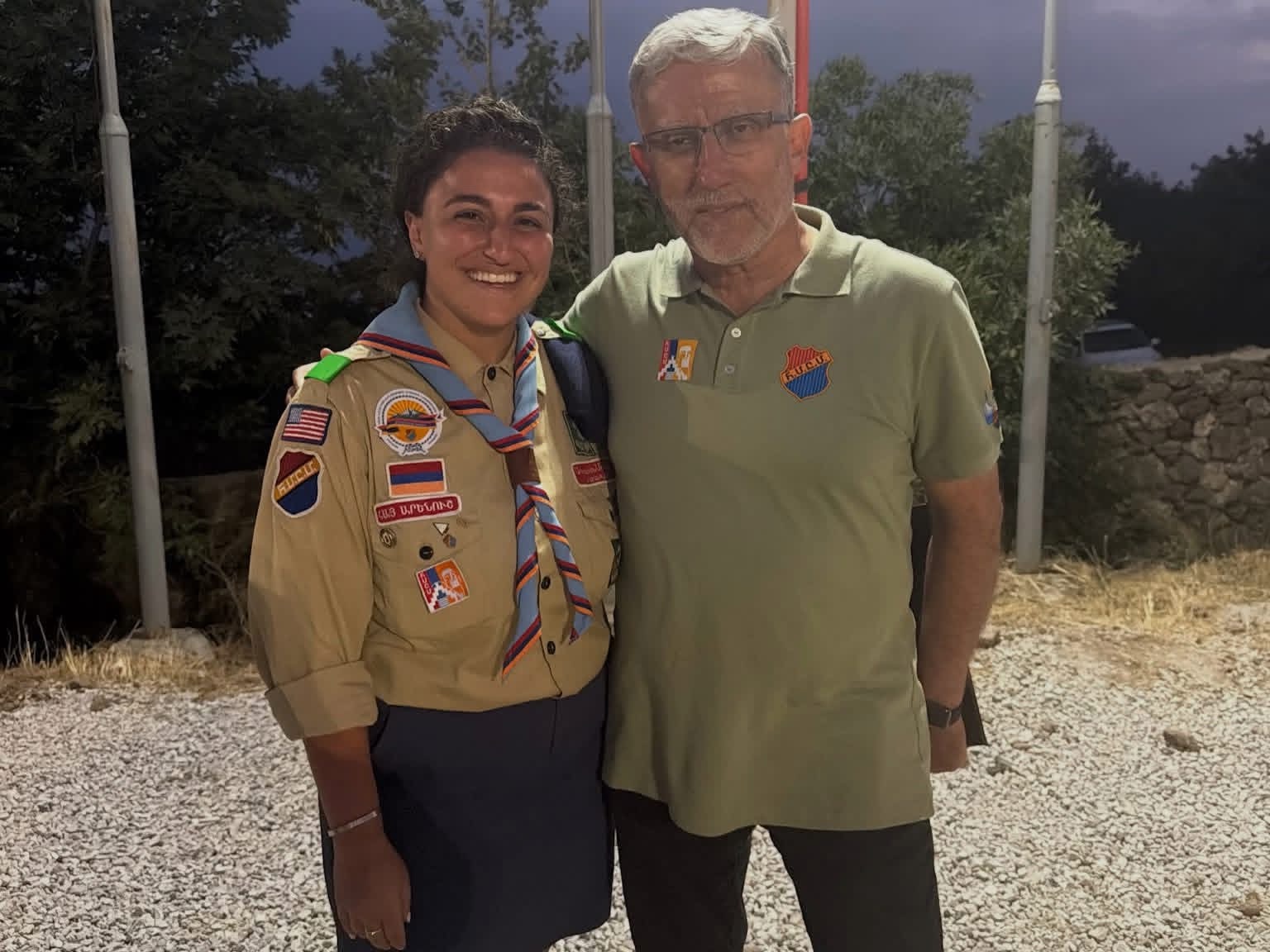
After nearly a year of preparation, excitement and anticipation, East Coast scouts finally arrived at their destination this summer — Armenia. Following three preparation seminars throughout the year, the 76 scouts selected for the Jamboree gathered at the Ani Grand Hotel in Yerevan on July 23 before walking together to Derian Restaurant for a meal. From there, the group boarded buses and made its way to the panagavayr, with excitement building throughout the ride. Upon arriving at the Karnig Meguerditchian Scout Camp in Byurakan, the reality of the Jamboree began to set in. Nearly 900 scouts from 23 countries had gathered for the 13th Pan-Homenetmen Jamboree.
After stepping off the buses, the kouyrs (sisters) and yeghpayrs (brothers) got to work setting up what would become their home for the next 10 days. With tents being assembled, songs being sung and friendships already beginning to form, the long-awaited Jamboree experience had finally begun. That evening, scouts spent time meeting and greeting delegations that arrived later in the day. As the night went on, everyone gathered in the dining hall pavilion, where scouts from around the world sang heghapokhagan (revolutionary) songs and ganches (chants) together, creating an atmosphere of excitement and anticipation for the days ahead.
The following morning was spent settling in as scouts finished setting up their campsites and welcomed more delegations as they arrived at the panagavayr. That evening, dressed in their daraz (scouting uniforms), all the scouts at the camp lined up as parents visiting Armenia, friends, Homenetmen members and supporters arrived for the opening ceremony, officially kicking off the 13th Pan-Homenetmen Jamboree. The evening also marked the start of the nightly kharouyghantes (campfire programs), during which three or four delegations each night had the opportunity to share their camp traditions, ganches (chants), skits and performances with scouts from around the world.
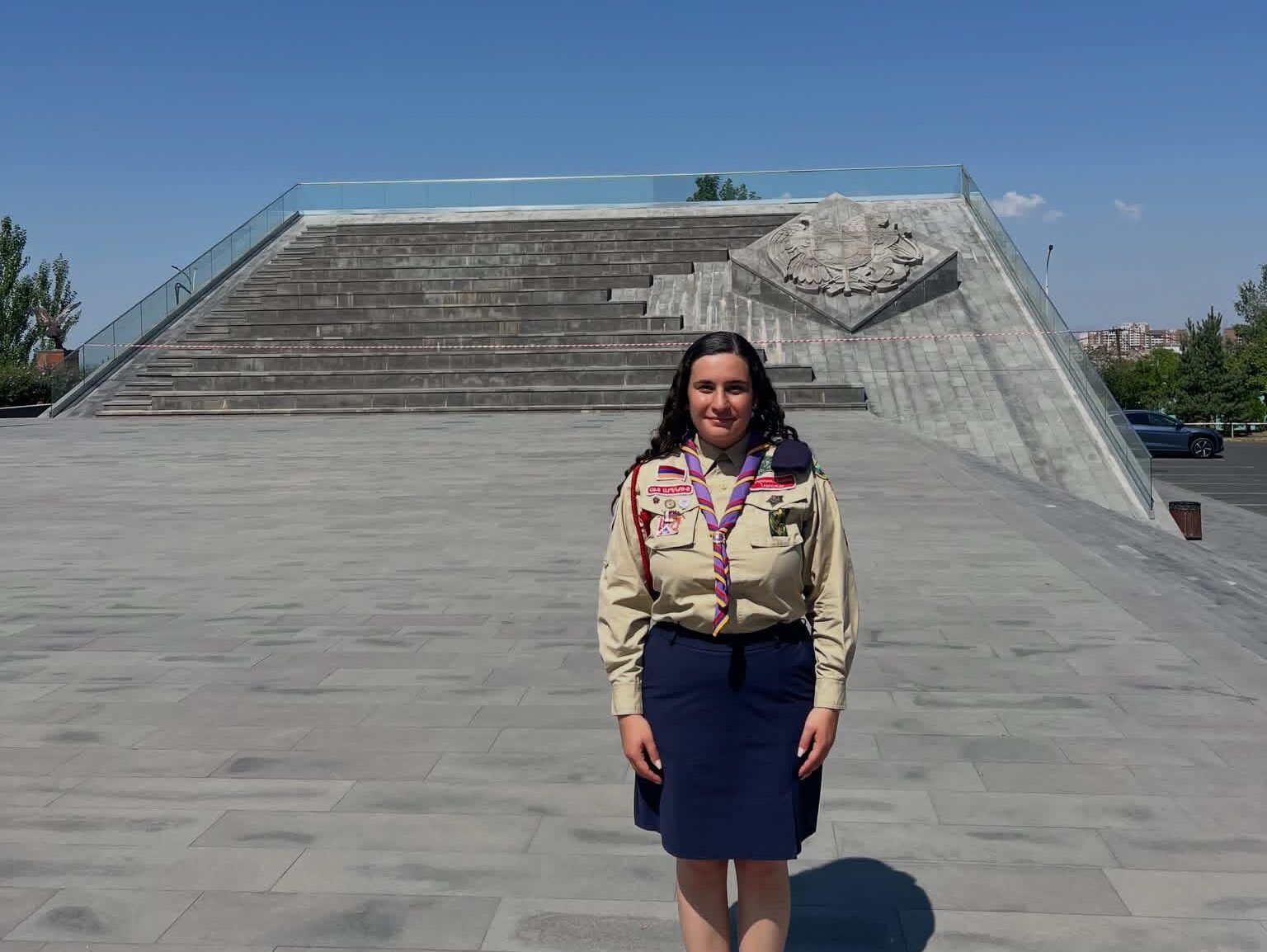
The following morning, July 25, 2026, scouts traveled to Yerevan, where they visited Yerablur, marched through the streets of the capital and paid their respects at Dzidzernagapert. The day began at Yerablur, the resting place of Armenia’s national heroes. There, scouts walked through the cemetery and placed flowers at the gravesites of those who gave their lives defending Armenia, including many who fought in the Artsakh wars. For many scouts, the visit was especially emotional. Among those buried at Yerablur are former Homenetmen scouts and members who made the ultimate sacrifice for their homeland. Standing in Armenia and honoring these heroes firsthand served as a powerful reminder of the values of service, sacrifice and dedication that Homenetmen strives to instill in its members. The experience left a lasting impression on many scouts as they reflected on the sacrifices made by those who came before them and the responsibility of carrying their legacy forward.

Everyone then had free time in the city to grab a bite to eat, walk around and explore. The scouts later met in front of the Matenadaran to find their regions and line up. From there, they marched through the streets of Yerevan to the Armenian National Opera and Ballet Theater. Locals, tourists and others in Yerevan were able to witness nearly 900 scouts representing Homenetmen. Upon arriving, the scouts stood in lines separated by region yet united as one. They listened to speeches about Armenia and Homenetmen and stood together to sing the national anthems of Armenia and Artsakh, bringing together scouts from around the world to celebrate their Armenian heritage, unity and the spirit of Homenetmen.
In the evening, the scouts visited Dzidzernagapert, the official Armenian Genocide memorial complex in Yerevan. Upon arriving, they visited the 44-meter memorial column, which symbolizes the rebirth of the Armenian people. Afterward, they gathered within the circle of 12 inward-leaning slabs that form the Temple of Eternity surrounding the eternal flame. There, they placed flowers around the eternal flame and took a moment to reflect in silence. As they stood together at Dzidzernagapert, scouts remembered the heartbreaking events of the Armenian Genocide and honored the innocent lives lost in 1915. Later that evening, the Eastern Region scouts returned to the campsite, where they gathered around the monument honoring Homenetmen members who lost their lives defending Artsakh. The scouts placed flowers at the memorial, paying tribute to their sacrifice and honoring their memory.
On the third day, scouts from the Eastern Region were assigned to groups consisting of three members from their own delegation and approximately 20 scouts from other delegations. Each team was named after a city or province in Armenia, and everyone received wristbands displaying their team name and the camp logo to wear throughout the competition. To build team spirit, each group also created its own ganch and banner before the games began.
Unlike many other activities, which were competitions between regions, the Camp Olympics focused on competition among the mixed groups. This gave scouts the opportunity to form friendships with kouyrs and yeghpayrs from around the world while working together. The Camp Olympics took place over the course of the day and were divided into two sessions. During the morning, teams rotated through a series of team-building challenges and games held throughout the camp, with some stations on the upper grounds and others on the lower grounds. After a lunch break, the competition continued with the remaining activities. Older leaders from various regions, including leaders from the Eastern Region, helped run the stations and keep the games moving smoothly.
Throughout the day, teams earned points based on their performance in each challenge. After all the competitions were completed, the top three teams were recognized during the kharouyghantes and awarded medals for their teamwork, effort and success.
 On the fourth day of the Jamboree, about 600 scouts from around the world woke up early and took buses to the base of the southern peak of Mount Aragats. From there, camp leaders guided them on the three- to four-hour hike. The climb was far from easy, with snow and rocks blocking the scouts’ path. Despite the difficult conditions, Eastern Region scouts pushed forward and made it safely to the top.
At the summit of the southern peak, scouts were given time to rest, take pictures and sing songs with kouyrs and yeghpayrs from other regions. After catching their breath, they began their two- to three-hour journey down the mountain. The descent was not as difficult as the climb, though it remained challenging. Upon reaching the bottom of the mountain, scouts took another break, were given lunch and eventually headed back to the panagavayr, proud of themselves and one another for completing the climb.
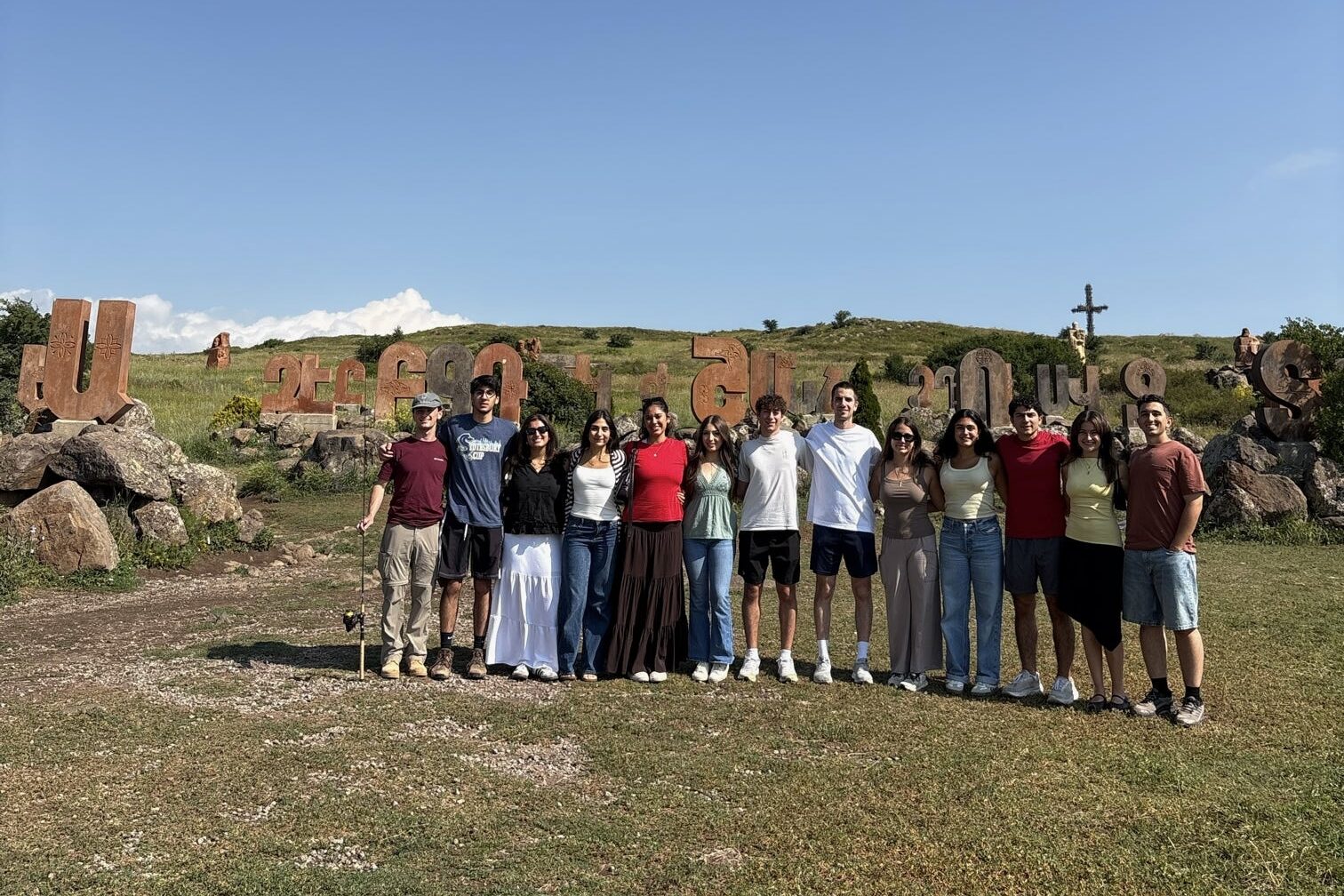
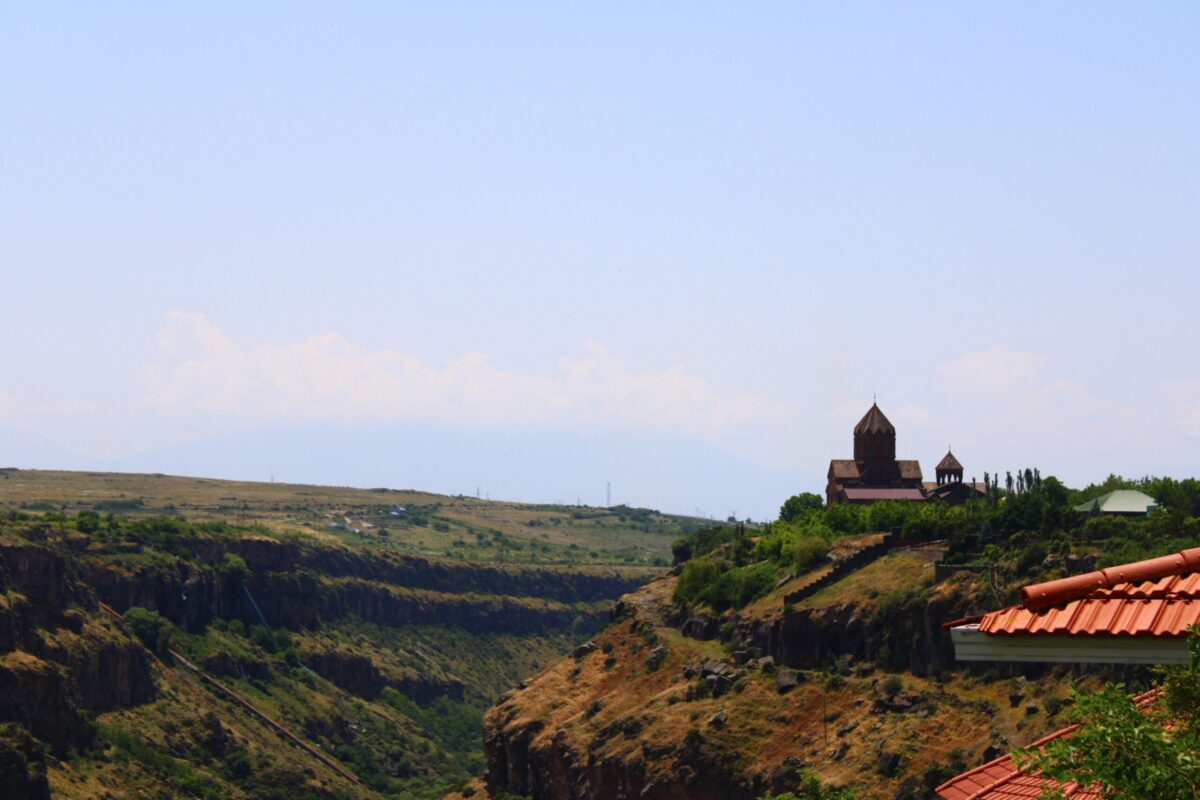
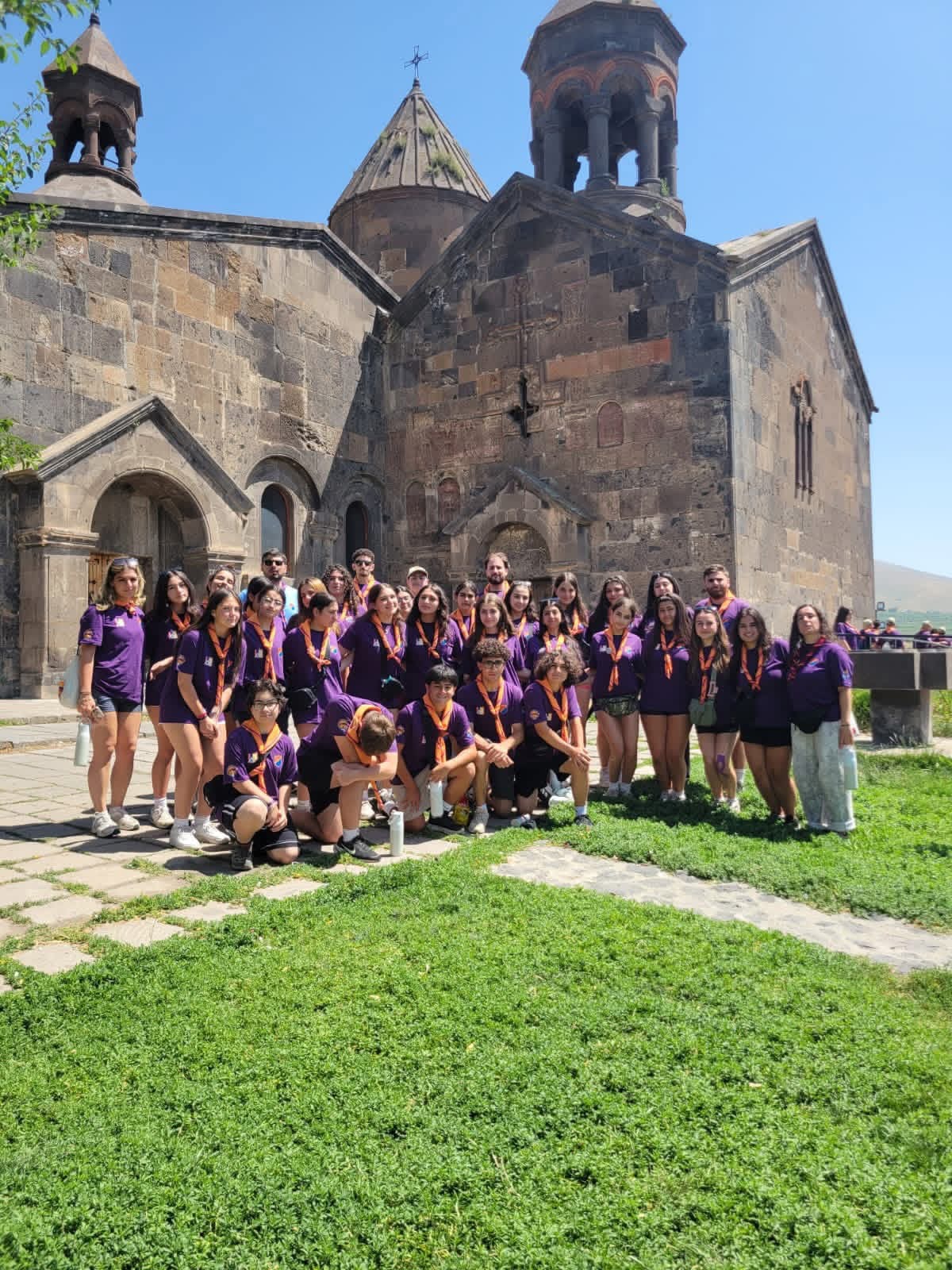 While scouts who were eligible and chose to climb Mount Aragats made their way up the mountain, the other Eastern Region scouts visited Hovhannavank and Saghmosavank, where they participated in prayer together. Hovhannavank is one of the early churches associated with Armenia’s adoption of Christianity during the reign of King Drtad. The churches are known for their striking medieval architecture and beautiful views of Mount Aragats. Later, the scouts visited Alphabet Park, where they took pictures in front of the letters representing their first initials. It was a memorable day and an opportunity for the scouts to experience important landmarks in the Mount Aragats region.
Following a day of hiking and sightseeing, the evening was dedicated to commemorating the sacrifices of the Lisbon 5 — Simon Yahniyan, Ara Kuhrjulian, Vatche Daghlian, Setrak Ajemian and Sarkis Abrahamian. At the Jamboree, scouts performed songs and poems dedicated to the Lisbon 5. Guest lecturer Vicken Hovsepian spoke about the importance of the event and the responsibility of the next generation of Armenians to remain connected to their culture and continue their struggle. Later that night, Suren Ajemian, a well-known Armenian singer, performed several heghapokhagan songs, with the entire camp joining in. The night was filled with unity, pride and, above all, remembrance.
On the morning of July 28, 2026, 809 scouts set the record for the world’s largest human fleur-de-lis, the scouting symbol, surpassing the previous record of 445 participants set in England in 2018. To prepare for the event, everyone wore Jamboree T-shirts and received purple bandanas so the formation would appear uniform from above. Once everyone was in position, the scouts were carefully arranged to create the fleur-de-lis while Guinness World Records officials used cameras and drones to document the attempt. After several minutes of standing in their designated spots, the necessary photos and measurements were completed, and the scouts were officially informed that they had broken the world record, creating one of the most memorable moments of the Jamboree.
Following this, all the scouts participated in Daghavar Day, an event celebrating and highlighting the unique cultures and traditions of each region. The Eastern Region had a sports-themed table decorated with American flags and a mini basketball hoop, where scouts could shoot baskets to win prizes. The delegation also had a tattoo and face-painting station, along with a concession stand serving popcorn, cotton candy and Detroit-style pizza throughout the day. Scouts had the opportunity to visit other regions’ tables, learn about various cultures and try traditional foods and activities. Armenia’s table, for example, featured a jengelov hats station, where scouts could watch the dish being made from scratch. Throughout the day, many scouts traded T-shirts, poghgabs and pins with members of different regions, gathering meaningful souvenirs to take home as reminders of their time and the new friends they made at the Jamboree.
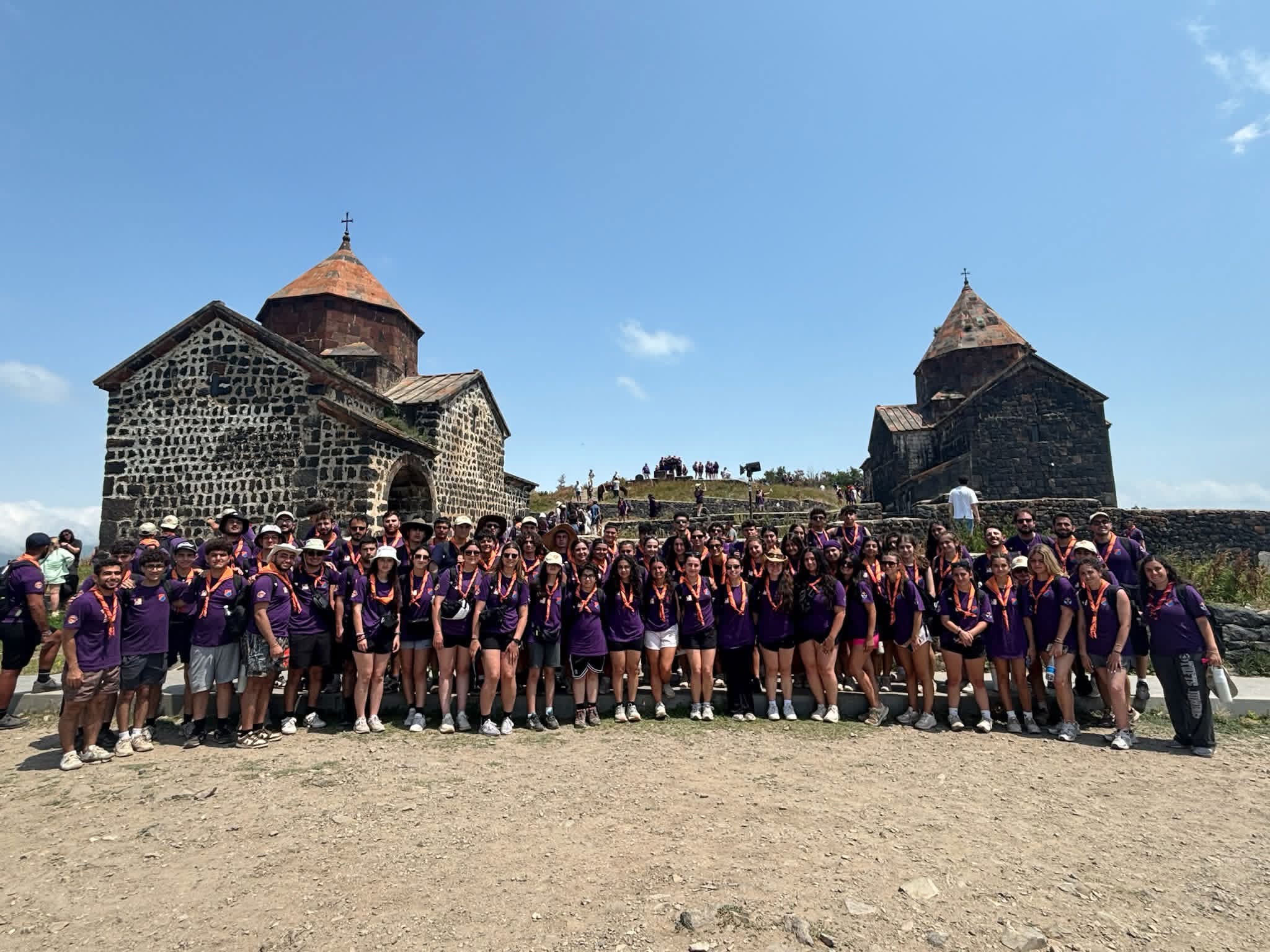
On July 29, the Eastern Region scouts set out on an excursion to Lake Sevan. The trip began with a walk up to Sevanavank, a historic monastery founded in A.D. 874 overlooking Lake Sevan. Once at the top, scouts had time to explore the monastery, take pictures and enjoy views of the lake and surrounding mountains. After making their way back down, everyone boarded the buses and headed to a nearby water park, where scouts were able to cool off from the summer heat, swim and spend time together. Between visiting one of Armenia’s historic monasteries and enjoying an afternoon at the water park, the trip gave scouts an opportunity to experience different sides of Sevan while enjoying the day together.
On July 30, several Eastern Region scouts visited Holy Etchmiadzin, the spiritual and administrative center of the Armenian Apostolic Church. His Holiness Karekin II, Catholicos of All Armenians, held an audience with the scouts, speaking about the homeland and faith and the responsibility of the next generation to preserve both. The scouts also had the opportunity to ask His Holiness several questions about the church and the nation.
After praying with and blessing the scouts, His Holiness gave them free time to explore Etchmiadzin, including the cathedral, museums and extensive grounds filled with centuries of history. Afterward, the scouts walked to the nearby St. Gayane Church, where the fourth-century martyr St. Gayane is buried. The visit gave scouts an opportunity to meet Vehapar and experience one of the most important centers of Armenian faith and culture.
At the same time, eight Eastern Region scouts represented the delegation in the rally. They competed against delegations from every other region for a place on the podium. The Eastern Region was the last group to begin the rally and completed activities that included visiting a local church, solving riddles, writing Morse code, playing mind games and demonstrating first-aid skills. The scouts also observed the kughatsis (villagers) in their day-to-day lives and even had the opportunity to roll out lavash (traditional Armenian bread) and try it fresh from the oven.
These interactions with the kughatsis made the experience a once-in-a-lifetime opportunity. Each game allowed the scouts to showcase the region’s scouting knowledge and problem-solving skills, and they ended the rally knowing they had given 100% while experiencing a day in the lives of the villagers.
 On the ninth day of the Jamboree, July 31, Eastern Region scouts participated in the Gyumri Let’s Go Let’s Play City Hunt. Scouts were placed into random groups and given a list of landmarks around Gyumri, including churches, statues and other historical sites. Each landmark had a specific activity scouts had to complete to earn points, such as making and reciting a poem, badviar-ing (saluting) a statue or making a heart sign with their hands. The groups could also earn extra points by completing other small tasks, such as buying coffee for a local resident or making a human bicycle. The day ended with everyone having free time to eat and explore the city before coming together to dance in the square. The activity gave the scouts an opportunity to experience the city of Gyumri!
That night, the Eastern Region scouts performed their kharouyghantes. The program was introduced with the recitation of a poem and four torchbearers lighting the campfire. What followed was a mix of skits, including “Hayrus Oozets” (“My Father Wanted”) and “Shoghkam,” and dances, including the Michigan Hop, which the Eastern Region scouts invited members of other delegations to learn. The program also included a dance performance by the Detroit Aris (Boy Scouts). The scouts performed several ganches (chants and cheers) to energize the crowd. The kharouyghantes closed with an emotional performance of “Akhpers Ou Yes,” in which the scouts depicted two soldiers who gave their lives in battle and their grieving mother. The Eastern Region scouts coordinated and performed the kharouyghantes while fully embracing the experience. 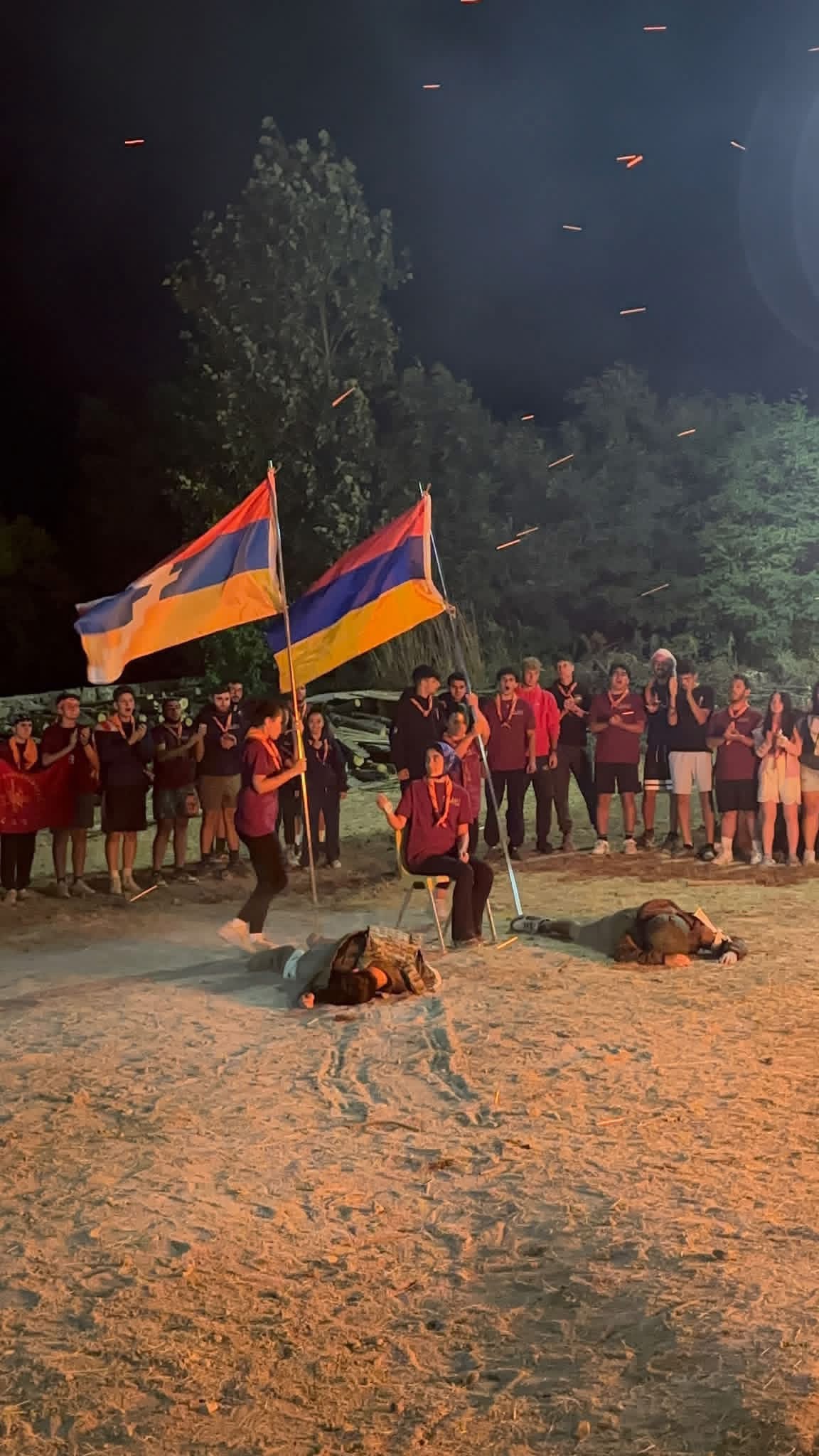
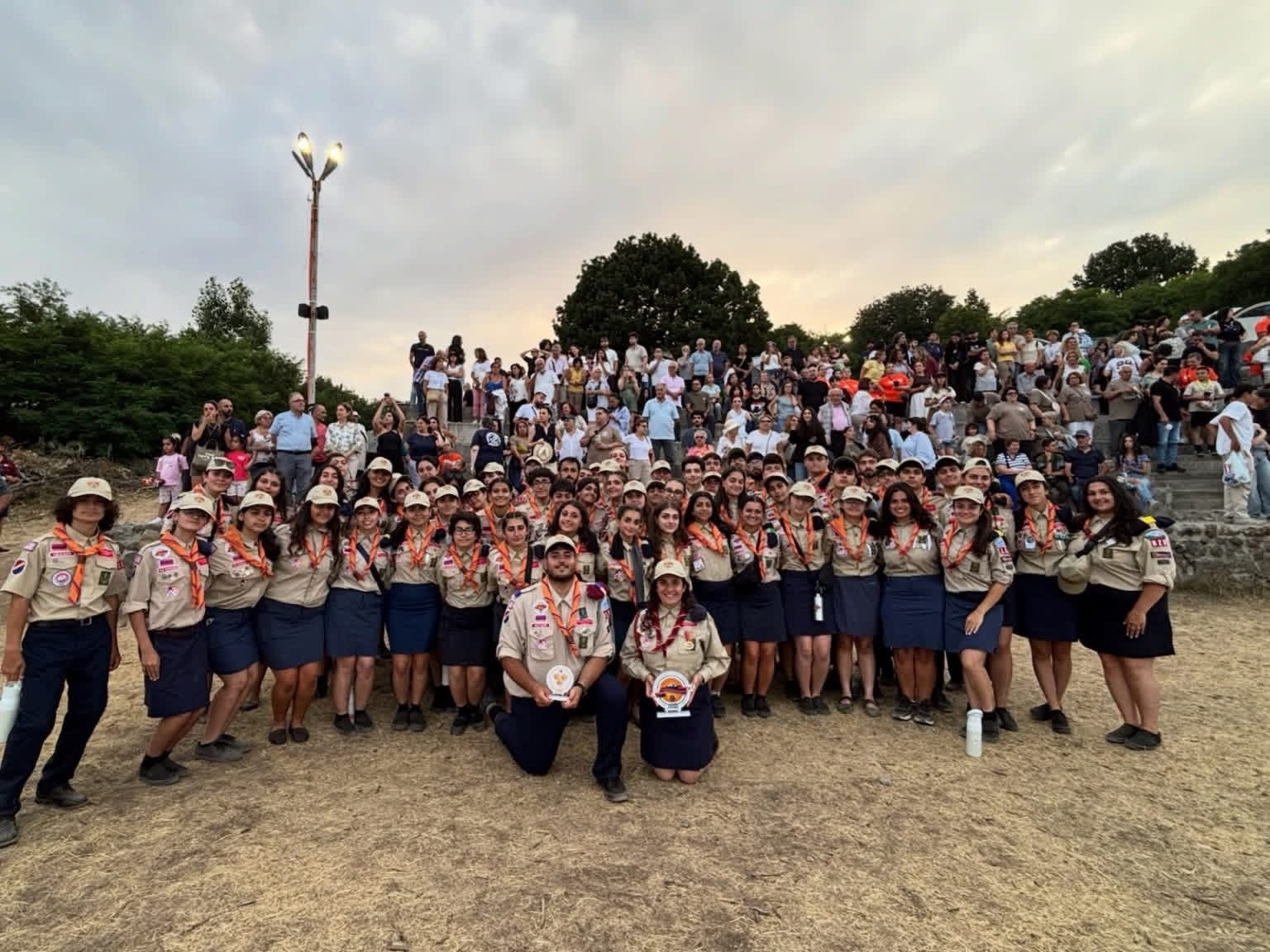
On Aug. 1, the final day, the closing ceremony of the 13th Pan-Homenetmen Jamboree took place. Friends, families and members of the Armenian community gathered in Byurakan to recognize outstanding achievements, congratulate delegations and reflect on the 10 days that scouts from around the world experienced together. The afternoon began with the singing of the Armenian, Artsakh and Homenetmen anthems. The program continued with several heartfelt speeches from Homenetmen leaders and special guests, who shared insights from their time at the Jamboree and offered the youth thoughts and advice for their futures in scouting. Following the speeches, delegations were recognized for outstanding performances in several categories, such as structures, campfire programs and daghavar booths (cultural day stations). Afterward, awards were presented to individual scouts for their accomplishments during the 10 days. The Eastern Region placed third overall for best ashdarag. The ceremony also acknowledged the Guinness World Record set July 28, when 809 scouts came together to form the world’s largest human image of a fleur-de-lis.
Bringing the celebrations to a close, nearly 900 scouts gathered hand in hand, forming a chain as they sang a final farewell song, “Tzedesutyun.” The moment captured the bittersweet emotions of saying goodbye after 10 unforgettable days of forming new friendships, creating lasting memories and sharing countless new experiences together.
The following morning, Aug. 2, the Eastern Region scouts left the campsite after an eventful 10 days. Before leaving, they thoroughly cleaned the campsite by taking down tents, picking up trash and donating their tents and other items to participating regions. They then went on an excursion to Sardarabad, where they toured the museum, which included memorabilia from the battle and other historical artifacts.
They next visited the monument and heard the bells play the “Sardarabad” song at the top of the hour while the group took a photograph. Afterward, the scouts returned to Yerevan to prepare for the Barahantes (formal dance), held for the participating scouts, Homenetmen members, families and friends. The scouts enjoyed an array of Armenian foods before singer Apo Sahagian performed. The night was filled with song and dance as the scouts celebrated and reminisced about the previous 10 days with the kouyrs and yeghpayrs they had met from around the world. Near the end of the night, the music shifted to heghapokhagan (revolutionary) songs, which the scouts sang to honor and remember those who came before them. The event brought the 13th Pan-Homenetmen Jamboree to a memorable close!
Eastern Region scouts returned home with new friendships, countless memories and experiences they will carry with them for years to come. The experience would not have been possible without Kouyr Nina Vosbigian and the entire Kordzatir Marmin, who spent the past year working behind the scenes preparing for panagoum, as well as the scouting leaders who gave their time and energy to guide and support the scouts throughout their stay in Armenia. Special thanks also go to regional khumpabeds K. Tina Barsoumian and Y. Shant Mehranian and the khumpabedagan gazm, who ensured that all the scouts were safe and enjoyed their time at the Jamboree. The Regional Scout Council, Regional Executive, chapter executives and khorurts also worked tirelessly behind the scenes throughout the year. The Eastern Region is also grateful to Homenetmen families for their continued support and encouragement throughout the journey. Among the many accomplishments celebrated at this year’s Jamboree, the Eastern Region congratulates Kouyr Tina Barsoumian on receiving her Araradian Gark, an important achievement and milestone in her scouting journey. After nearly a year of anticipation and preparation, the 10-day Jamboree brought the scouts closer to their Armenian identity, strengthened their connection to Homenetmen and gave them the opportunity to create lasting memories with kouyrs and yeghpayrs from around the world.