Book Review: ‘The Kaleidoscope of Destiny’
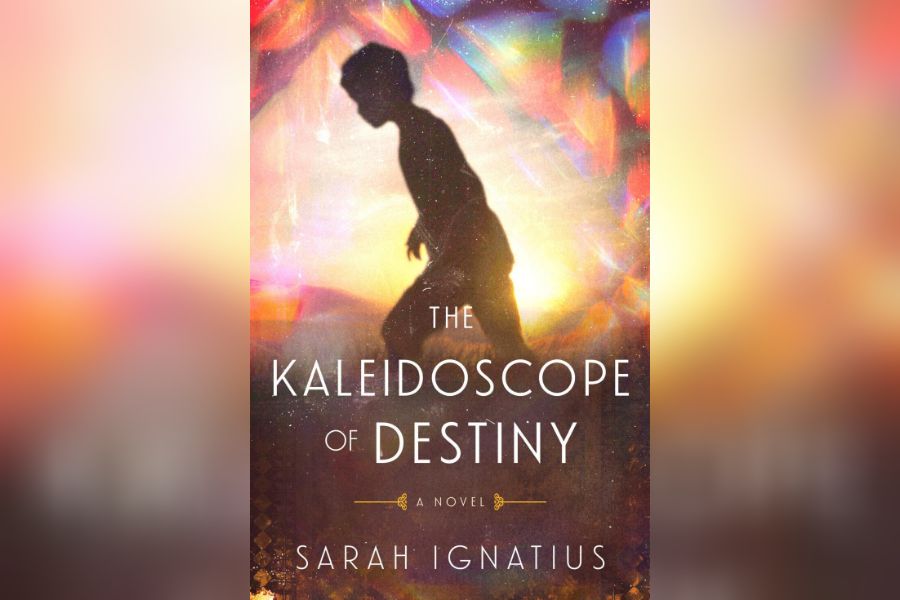
What would you do if survival depended on trusting your enemy?
Stories of genocide are often told through the lens of victims and perpetrators. “The Kaleidoscope of Destiny” complicates that distinction by asking what happens when a young Armenian must navigate a world in which compassion comes from unexpected places, and danger comes from people he thought he understood.
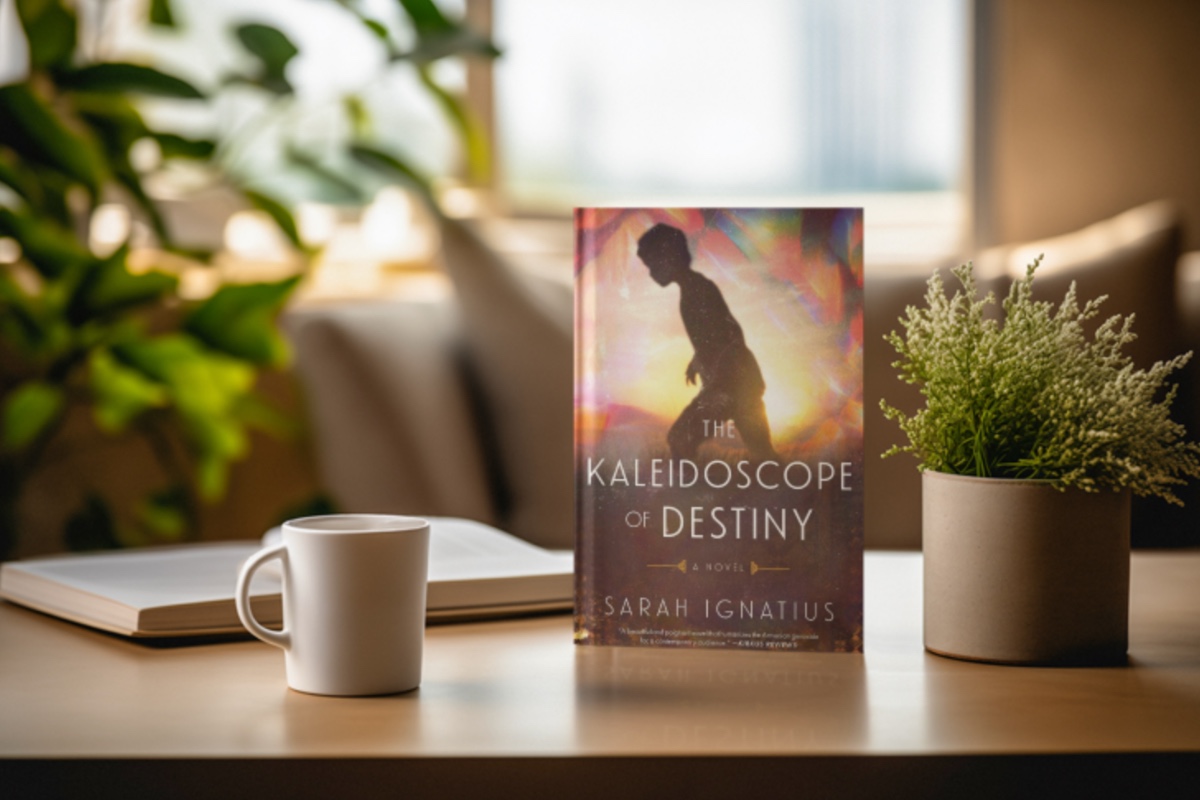
This debut novel by Sarah Ignatius will be published by Koehler Books on Sept. 22. Ignatius, of Armenian descent, has served as the executive director of the National Association for Armenian Studies and Research (NAASR), worked as a human rights lawyer authoring an in-depth report on the U.S. asylum system for Harvard Law School’s National Asylum Study Project, and has taught immigration and asylum law at Boston College Law School.
Ignatius’s novel follows 14-year-old Arakel during the Armenian Genocide, starting with his childhood innocence before the deportation and his friendships with an Armenian boy and a Turkish boy. Looking ahead to when they would graduate school in two years, the trio plans to travel to China along the Silk Road, navigating by the stars at night. Arakel takes his role as the navigator seriously and studies astronomy, unaware that this new knowledge meant to guide their future adventure will eventually help him navigate a very different journey — one of survival.
Arakel’s world shatters when his father is imprisoned, his older brother is sent to the military, and Arakel is left to care for his 7-year-old sister, Anoush, along with his mother, grandmother and their donkeys, as they embark on a forced march under dire conditions.

Ignatius explores what humanity looks like in the midst of inhumanity, guiding readers alongside Arakel to understand it. Central to the theme is challenging the idea that someone’s morality can be determined by their identity.
Separated from his family and struggling to survive, Arakel encounters Turks, Kurds, Bedouins, Arab camel drivers, Germans and a wandering dervish. Through his journey, readers might share his skepticism and be taken aback by the unexpected compassion he encounters along the way. Amid the challenges, it is acts of kindness that provide him with solace.
Ignatius’s writing brings every experience to life through the senses. Readers can almost smell the stench of human waste and dead bodies, hear the screams of women taken by gendarmes, feel the pain of hunger, thirst and desperation, and taste the meager crumbs that stave off starvation. One particularly haunting passage describes Arakel walking through the Euphrates River among floating bodies. Ignatius describes these moments as “crossing into the land of the dead” — imagery so powerful that I found myself sobbing as I read.
However, even through the pages of unspeakable horror, the novel’s message of friendship and hope continues to encourage. I enjoyed watching Arakel’s relationships with his childhood friends develop before the genocide. Even later, his new friendships suggest that Arakel’s capacity to connect with others survives alongside him.
Ignatius describes these moments as “crossing into the land of the dead” — imagery so powerful that I found myself sobbing as I read.
The title, “The Kaleidoscope of Destiny,” hints at a significant theme of the story. A kaleidoscope rearranges the same pieces into shifting patterns, much like how each person Arakel encounters reshapes his view of the world. They may start as enemies, then become strangers, then potential allies and finally human beings.
The novel brought to mind Fred Rogers’ famous words, “When I was a boy, and I would see scary things in the news, my mother would say to me, ‘Look for the helpers. You will always find people who are helping.’”
Perhaps that is one of the novel’s most important messages. Family members of survivors can often recount stories of the kind people who may have risked severe consequences, yet their humanity led them to acts of kindness of all sizes.
In my family, my grandfather never forgot the Armenian wife of a Turkish officer who hid him in a barn until she arranged to safely transfer him to an orphanage.
Arakel’s story shows that while history may define groups, individuals still have choices. “The Kaleidoscope of Destiny” reminds us to weave into the fabric of our narratives the stories of kindness from unlikely corners.
I highly recommend this novel to readers of historical and literary fiction, those interested in World War I and Armenian history, and readers exploring themes of human rights.
Arakel’s story shows that while history may define groups, individuals still have choices.
Ignatius’s book launch begins Sept. 22 at NAASR, followed by talks in Belmont and Worcester, Massachusetts; Providence and Cranston, Rhode Island; Kittery, Maine; and Washington, D.C. For details, visit Ignatius’s website.