


In the Armenia-Azerbaijan treaty, displacement is silenced in the name of peace
The decades-long conflict between Armenia and Azerbaijan is approaching an end, with both parties signaling readiness to sign a treaty. The principal cause of the tension has been the dispute over Nagorno-Karabakh—known as Artsakh to Armenians. From the first Nagorno-Karabakh war (1988-1994) until the 44-day war in 2020, many human rights violations and crimes against humanity occurred. However, the most devastating events unfolded during the Azerbaijani offensive on September 18-19, 2023. As reported by Freedom House, Azerbaijan ethnically cleansed the Armenian population of Nagorno-Karabakh between 2020-2023. Yet, critical crises such as displacement are untouched in the treaty, undermining the credibility and role of the deal as a whole.
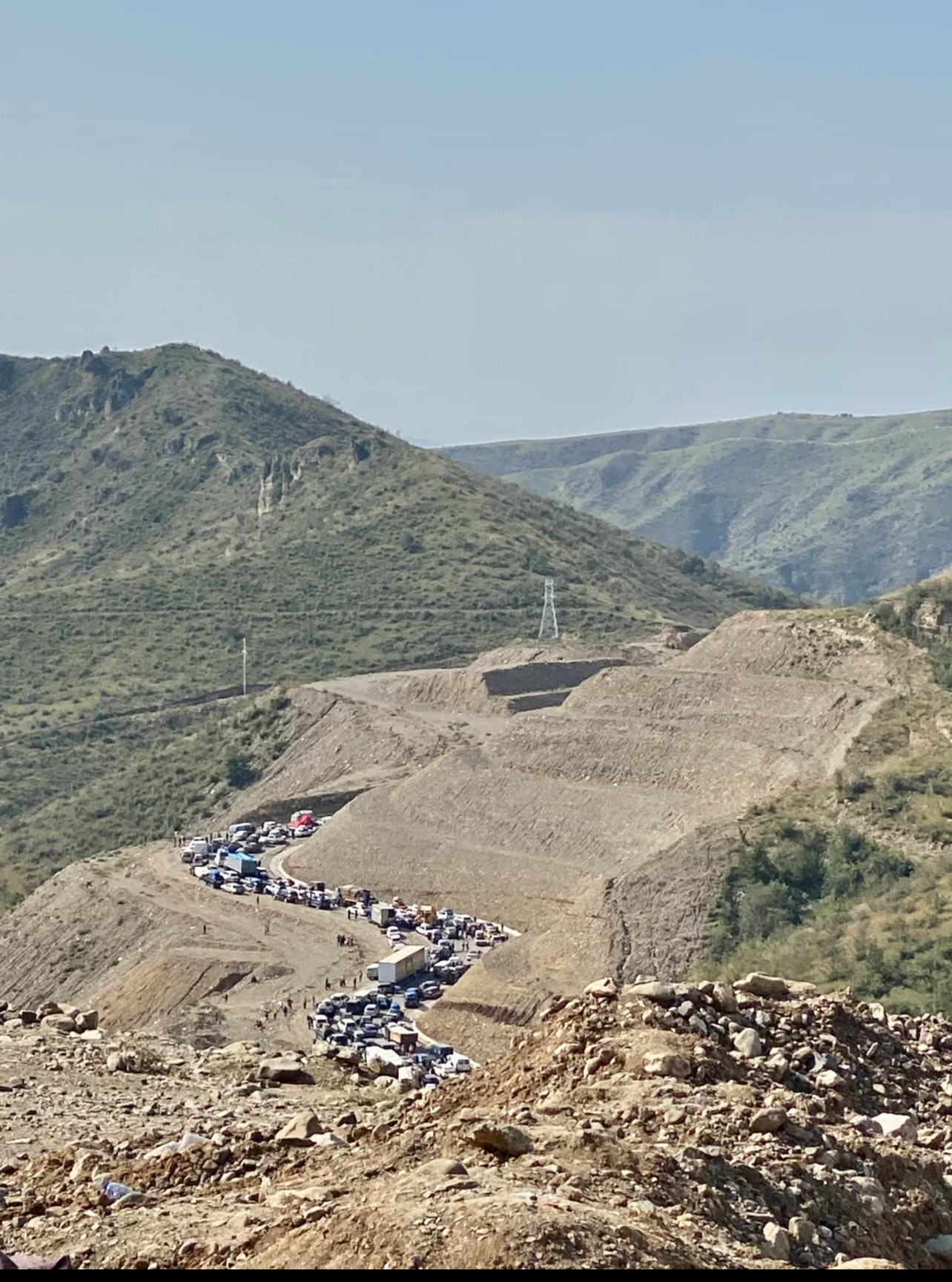
Over 100,000 ethnic Armenians—almost the entire Armenian population of Nagorno-Karabakh—fled and sought refuge in Armenia. Among these refugees, more than 50 percent are women and girls, 30 percent are children, and 18 percent are elderly. Following this, Azerbaijan declared a policy of resettling Azerbaijani citizens in the territories emptied by displaced Armenian landowners. Given that Armenia’s population is estimated to be around three million, the influx of Armenian refugees constitutes about 3.3 percent of the country’s entire population, underscoring the scale of the displacement crisis caused by Azerbaijani aggression.
On March 13, 2025, Armenia and Azerbaijan reached a long-awaited peace agreement aimed at ending nearly four decades of conflict. Azerbaijan obtained Armenia’s acceptance of two key proposals—the mutual withdrawal of claims from international courts and the removal of third party forces from the border. However, the timeline for signing the deal remains unclear, as Azerbaijan conditions the signing on Armenia amending its constitution to remove a reference to Nagorno-Karabakh. While Armenia officially states that its constitution recognizes Azerbaijan’s territorial integrity, Prime Minister Nikol Pashinyan has signaled potential constitutional changes in recent months.
The issue of displaced people has been entirely neglected by the treaty, despite the dire humanitarian situation and critical challenges. While it is an important first step for sustainable growth, stability and prosperity in the region, the treaty does not offer a just peace for the displaced people or any mechanism of transitional justice. This not only undermines its potential for true reconciliation and peace, but also normalizes the use of peace deals and treaties to evade crimes and responsibilities.
As the treaty prevents Armenia from imposing any commitment on Azerbaijan, the Armenian government alone bears the multi-faceted consequences of the displacement crisis. In addition, the treaty relieves Azerbaijan of legal responsibilities and accountability, enabling it to achieve its political goals while minimizing international scrutiny and avoiding investigations at the lowest possible cost. The criminal silence by the Armenian government and the international community amid this injustice is a dangerous approval of Azerbaijan’s settler-colonialist agenda in Nagorno-Karabakh.


The criminal silence by the Armenian government and the international community amid this injustice is a dangerous approval of Azerbaijan’s settler-colonialist agenda in Nagorno-Karabakh.
Meanwhile, the displaced Armenians from Nagorno-Karabakh await compensation and recognition of the numerous human rights violations Azerbaijan has committed against them. Many refugees reside in overcrowded apartments or hotels in Armenia offered by friends, relatives or the government, lacking access to insulation, heating or facilities. Some remain unhoused, using rooms in schools as makeshift shelters. In addition, these refugees arrived in Armenia with nothing and seeking various kinds of support, thus placing an additional burden on the already-fragile Armenian government.
Before declaring peace, serious efforts must be made by both parties to ensure the centrality of justice in any deal. Without confronting the root causes of displacement and holding perpetrators accountable, any peace agreement risks becoming an illusion.
Amid growing chaos and conflicts in different areas in the world, international actors—especially the United Nations and human rights groups like Amnesty International—should step up and contribute to the establishment of just peace between Armenia and Azerbaijan. Any peace between the two countries must first address the consequences of the conflict, especially those affecting people’s lives until today. Beyond making statements or praising the treaty, these actors must ensure that justice is embedded in the peace process, either as preconditions or elements within the deal. Affected populations such as displaced communities must receive proper compensation—whether through restitution, financial reparations or long-term support programs aimed at rebuilding their lives and restoring their rights.
An agreement that ignores the pain, displacement and erasure of entire communities is no foundation for peace at all—it only generates more space for future injustice.