


ColumnsTashjian's Take

The Kurdish issue in Syria and the future of Turkey’s role in the Levant
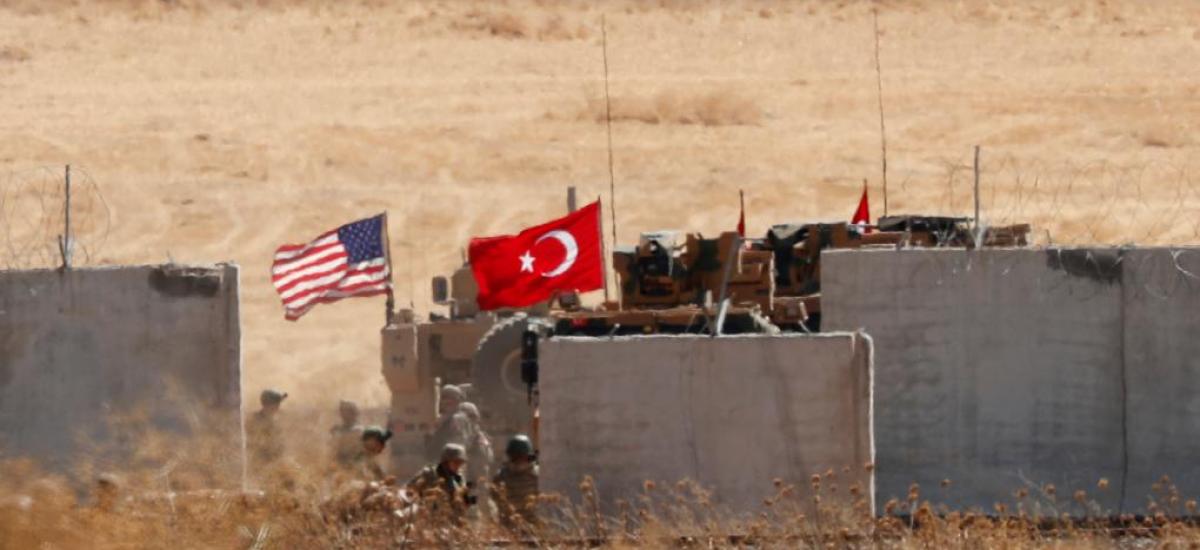
With the disintegration of the Syrian state after 2011, the Kurds in northeast Syria became key players in shaping the country’s future. The recent agreement between Damascus and the Kurdish-led Syrian Democratic Forces (SDF) further consolidated their role. However, the future of the Syrian state remains uncertain amid the horrors of the massacres of Alawites on the Syrian coast by radical Islamist factions affiliated with the new administration, Israel’s aspirations to encourage secessionist tendencies among the Druze community in Syria’s south, and Turkey’s strategic interests in Syria, which seem to collide with American-Israeli interests. 

This article will shed light on the agreement between Syria’s President Ahmad al-Sharaa and SDF General Mazloum Abdi and assess Turkey’s ambitions amid growing domestic and regional uncertainties shaping Syria’s future.

Already a subscriber?Log in here

This story is FREE for you...

Create a free account to access this and four more articles, and get more sent to you with our e-newsletter.

Or, subscribe now for unlimited access
By submitting your email address you agree for Hairenik Association, Inc. to send you communication by email.

Yeghia Tashjian

Yeghia Tashjian is the Issam Fares Institute Public Policy and International Affairs-American University of Beirut’s Regional and International Affairs Cluster Coordinator. He holds a master’s degree in Public Policy and International Affairs from the American University of Beirut and completed the "Strategic Leadership in Global Societal Security Program" at the Swedish Defense University in 2022. He earned his bachelor’s degree in political science from Haigazian University in 2013 and has worked in the university's Armenian Diaspora Research Center between 2016-2017. Yeghia's master’s thesis focused on China's geopolitical and energy security interests in Iran and the Persian Gulf. Currently, Tashjian is engaged in research on the phenomenon of Turkish-Russian 'co-opetition' in the MENA+ Caucasus region and Russia's involvement in the International North-South Transport Corridor. He contributes to various local and regional newspapers, has presented various topics from minority rights to regional security issues, and is a part-time instructor in the Department of Political Studies and Public Administration at the American University of Beirut.
Back to top button