


The Region in Brief
Artsakh
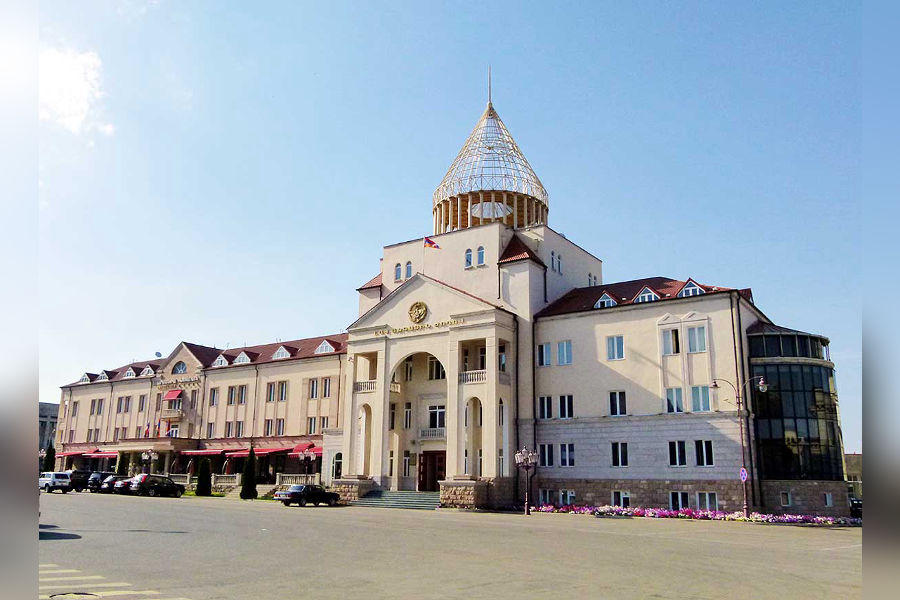
On Oct. 27, the Armenian National Committee (ANC) Central Council published a special English-language report titled “‘Justice’ According to Azerbaijan,” challenging the legality of the trial and conviction of former Artsakh State Minister Ruben Vardanyan, who was sentenced to 20 years in prison by the Baku Military Court on Feb. 17, 2026.
Drawing on the court’s indictment, judgment and legal analysis, the report identified serious alleged procedural irregularities and contradictions in the prosecution’s case. According to its findings, the court imposed a 14-year sentence for an offense that had not appeared in the original indictment or the section establishing Vardanyan’s guilt.
The report further stated that none of the more than 2,000 forensic medical examinations cited in the judgment mentioned Vardanyan by name, while no witness testimony directly described criminal acts committed by him. It also criticized the decision to prosecute a civilian before a military court, the exclusion of an international defense lawyer and the absence of independent international observers throughout approximately 60 hearings.
ANC Central Council Chairman Hagop Der Khatchadourian called for Vardanyan’s immediate release, alongside the other 20 Armenians the organization says remain detained in Azerbaijan. The report was prepared for an international audience to draw attention to alleged violations of due process and the continuing detention of former Artsakh officials.
Meanwhile, concerns over the preservation of Armenian cultural heritage in Artsakh resurfaced following remarks by UNESCO World Heritage Centre Deputy Director Jyoti Hosagrahar during an Oct. 26 event at the Matenadaran in Yerevan. Asked about reports of Armenian churches being destroyed in Nagorno-Karabakh, Hosagrahar stated that she was unaware of the specific cases raised by journalists.

Armenia
Ani Avetisyan, the 39-year-old woman injured in an Oct. 1 incident involving an Azerbaijani serviceman in Shaki village, Syunik, continues to suffer severe pain and is awaiting another operation at Yerevan’s Surb Grigor Lusavorich Medical Center.
Speaking to 24News, Avetisyan said doctors plan to insert an implant into her damaged knee and replace metal supports in her thigh. She also described the psychological impact on her children, one of whom is recovering from surgery.
According to reports, Azerbaijani serviceman Nasimi Musayev entered the village, spent the night in a residence and subsequently shot Avetisyan in the leg. Musayev faces five criminal charges and was placed in pretrial detention for two months.
Avetisyan confirmed that the Armenian Health Ministry is covering her hospital and treatment expenses but expressed concern over her prolonged recovery and the limited follow-up she has received. Avetisyan also stated that she had been questioned only once since the incident and expressed disappointment at the lack of continued attention to her condition.
Azerbaijan
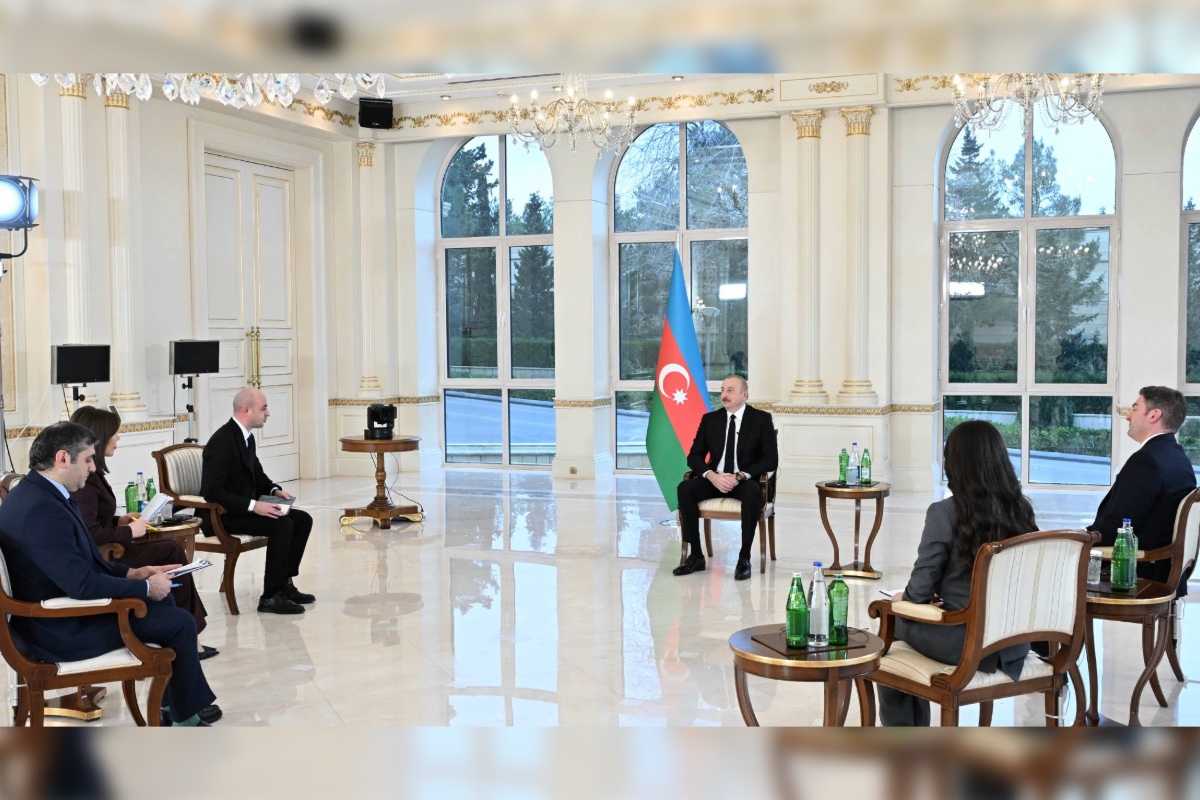
On Oct. 27, Azerbaijani President Ilham Aliyev addressed the opening of the 7th World Forum on Intercultural Dialogue in Baku, declaring that Azerbaijan had fundamentally transformed the geopolitical situation in the South Caucasus through its military victories over Armenia.
Aliyev characterized the 2020 Nagorno-Karabakh war and Azerbaijan’s September 2023 military offensive as the restoration of the country’s territorial integrity and sovereignty, asserting that decades of international negotiations had failed to resolve the conflict. He accused major international powers of deliberately maintaining the status quo and claimed that Azerbaijan had ultimately implemented the 1993 UN Security Council resolutions through military action.
Aliyev further stated that Azerbaijan had initiated the peace agreement with Armenia because it did not seek an endless conflict or further revenge. Referring to the military outcome of the conflict, he declared that Azerbaijan had already taken its revenge on the battlefield and should not pursue further retaliation. He presented the initialing of the Armenia-Azerbaijan peace agreement in August 2025 as an example of Baku’s willingness to move toward normalization, despite the document remaining unsigned. His remarks came as Azerbaijan continued to insist on amendments to Armenia’s constitution as a condition for formally concluding the peace agreement.
Aliyev also accused Armenia of responsibility for the displacement of Azerbaijanis and the destruction of religious and cultural sites during the conflict, while criticizing what he described as double standards in international responses to Azerbaijan’s actions.
Iran
On Oct. 26, Iranian President Masoud Pezeshkian reaffirmed that Tehran would continue developing its nuclear program under international law while denying any intention to acquire nuclear weapons. Speaking with senior representatives from Saudi Arabia, Turkey and Pakistan, Pezeshkian emphasized Iran’s rights under the Nuclear Non-Proliferation Treaty. He criticized the use of military strikes and sanctions as pressure tactics, arguing that such measures have undermined trust and complicated diplomatic negotiations.
On Oct. 27, Supreme Leader Mojtaba Khamenei stated that ending the conflict with the United States and the current state of “neither war nor peace” depended on fulfilling Iran’s conditions. Meeting with Supreme National Security Council Secretary Mohsen Rezaei, Khamenei emphasized maintaining control over the Strait of Hormuz and protecting Iranian security interests. Tehran’s principal demands include ending the American blockade of Iranian ports and lifting sanctions on Iranian oil exports.
Meanwhile, diplomatic efforts to prevent renewed military escalation have intensified, with senior officials from Saudi Arabia, Turkey and Pakistan visiting Tehran on Oct. 26. Gulf states are reportedly developing a broader settlement proposal addressing the Strait of Hormuz, the conflict involving Yemen’s Houthis, and regional security guarantees. Iran has reportedly offered to reopen the strait within four days of sanctions relief, while Washington continues to seek nuclear concessions and renewed international inspections. No final agreement has been reached.
Russia
On Oct. 26, the Russian Embassy in Armenia criticized Shirak Governor Davit Arushanyan over remarks directed at representatives of the opposition Strong Armenia party.
In an Oct. 17 social media post, Arushanyan stated that Gyumri was not their “Nizhny Tabor” and its residents were not their “Ivans.” The embassy condemned the reference, comparing its language to terminology used by Nazi Germany during World War II and warning that such statements could incite hostility toward Russians. It also emphasized the presence of Russia’s 102nd military base and Russian border guards in Shirak, describing the governor’s remarks as inconsistent with the longstanding relationship between the two countries.
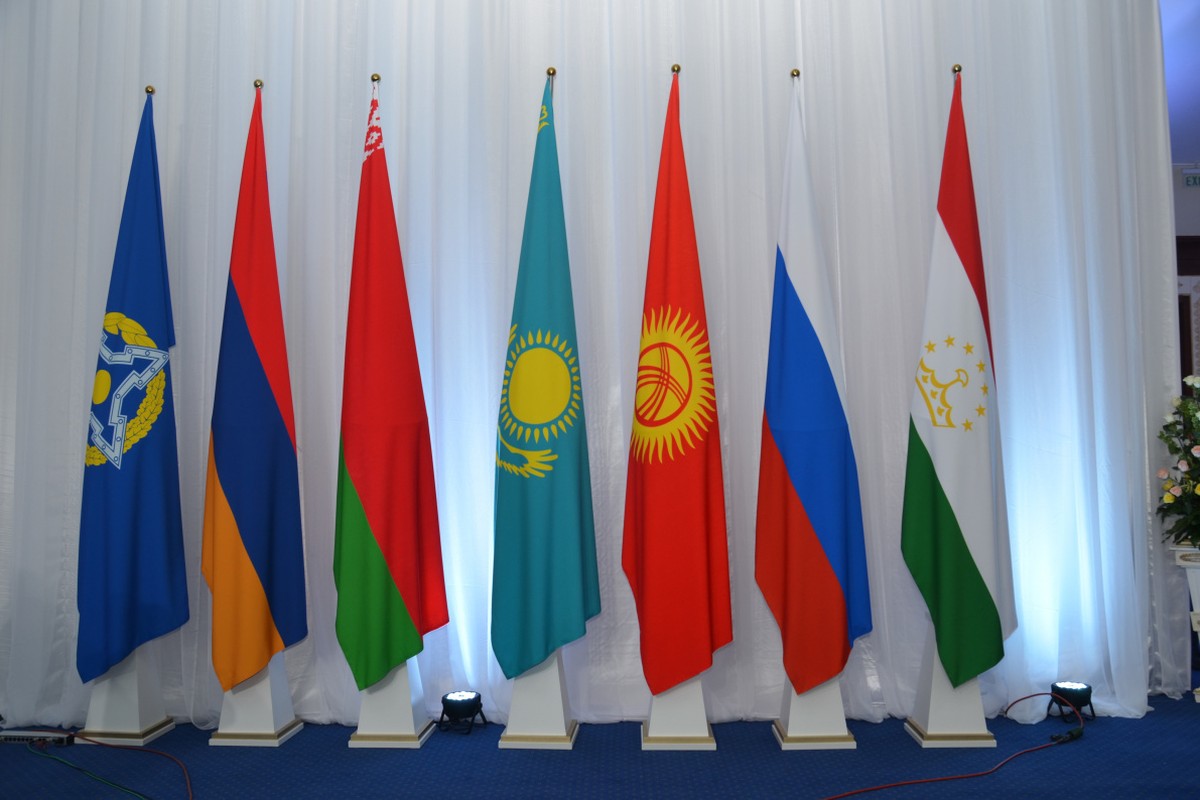
Meanwhile, former Collective Security Treaty Organization (CSTO) Secretary-General Nikolay Bordyuzha called for Armenia’s expulsion from the Russian-led military alliance on Oct. 28, arguing that Yerevan’s suspension of participation while retaining formal membership creates institutional contradictions. Bordyuzha noted that CSTO decisions require consensus and therefore must still account for Armenia’s position, despite its refusal to participate in the organization’s activities or pay membership contributions.
His remarks followed statements by current CSTO Secretary-General Taalatbek Masadykov, who suggested that Armenia’s membership could be discussed at the organization’s Nov. 11 summit in Moscow. Masadykov also stated that Armenia had effectively withdrawn from the alliance, although no formal decision on its membership has been made.
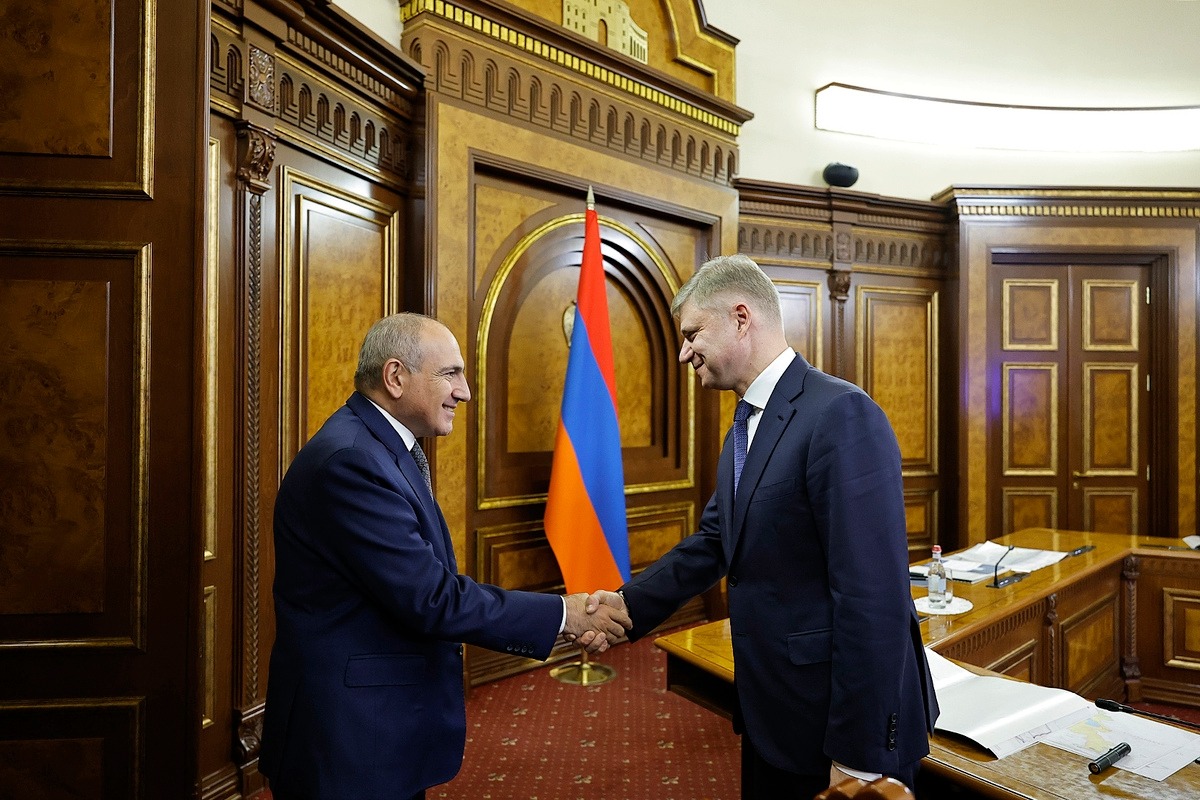
Responding on Oct. 28, Armenian Foreign Minister Ararat Mirzoyan reiterated that Yerevan has no intention of resuming participation in the CSTO. He maintained that Armenia would not reconsider its position regardless of statements from the organization’s leadership. Armenia froze its participation in 2024, citing the alliance’s failure to fulfill its security obligations during confrontations with Azerbaijan.
Turkey
Turkish President Recep Tayyip Erdogan expressed opposition to further escalation of the conflict involving Iran, warning against developments that could draw the region into another cycle of violence. Erdogan called for continued diplomatic efforts to preserve regional peace and stability.
Meanwhile, Erdogan dismissed his chief presidential adviser, Oktay Saral, following a diplomatic dispute with Azerbaijan over restrictions on wearing hijabs in Azerbaijani schools. Saral had publicly criticized the measures, prompting a strong reaction from Azerbaijani political circles. According to Turkish media reports, Baku demanded his removal, although the existence of a direct request from President Ilham Aliyev’s administration has not been officially confirmed. Saral acknowledged that he had left his position on Erdogan’s instructions and indicated that his departure was connected to his criticism of Azerbaijan. The incident highlighted tensions between Ankara and Baku despite their close strategic partnership.
In developments concerning Armenia-Turkey normalization, Turkish Minister of Transport and Infrastructure Abdulkadir Uraloglu announced the completion of the tender process for reconstructing the historic Ani Bridge on the Armenian-Turkish border. The reconstruction contract was signed on Sept. 28, following a bilateral protocol agreed in Yerevan in May. Restoration of the 10th-century Silk Road bridge will be coordinated by a joint Armenian-Turkish commission. Although the initiative represents a practical step in bilateral cooperation, no timetable has been announced for completing the reconstruction or reopening the border crossing.