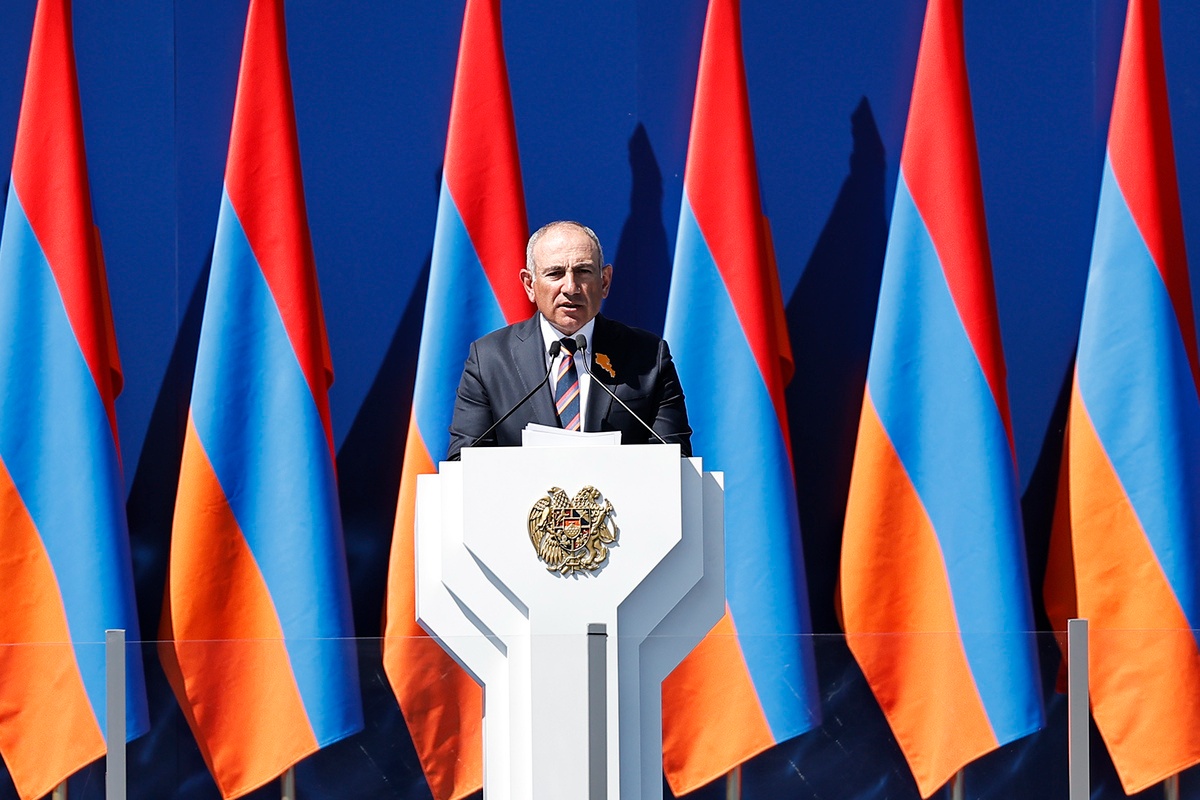




Ten years ago, if someone told me that the Armenian government would excuse the Azerbaijani soldier who shot a woman in the village of Shaki, I would have said you’re crazy. The majority would. Today, when I heard Security Council Secretary Alen Simonyan dismiss the soldier as a man who had simply gotten lost and wandered into an empty house to eat, I wasn’t surprised. The craziest part is that people stand with the government even now. And not just some people — nearly half of the votes cast in the June election went to Civil Contract. So naturally, I ask myself: At what point did we become okay with what they do to us? It didn’t happen overnight. We’ve been given this absurdity for eight years, in small doses, and now we’ve developed a tolerance for the poison. So how do we clear our nation of it?
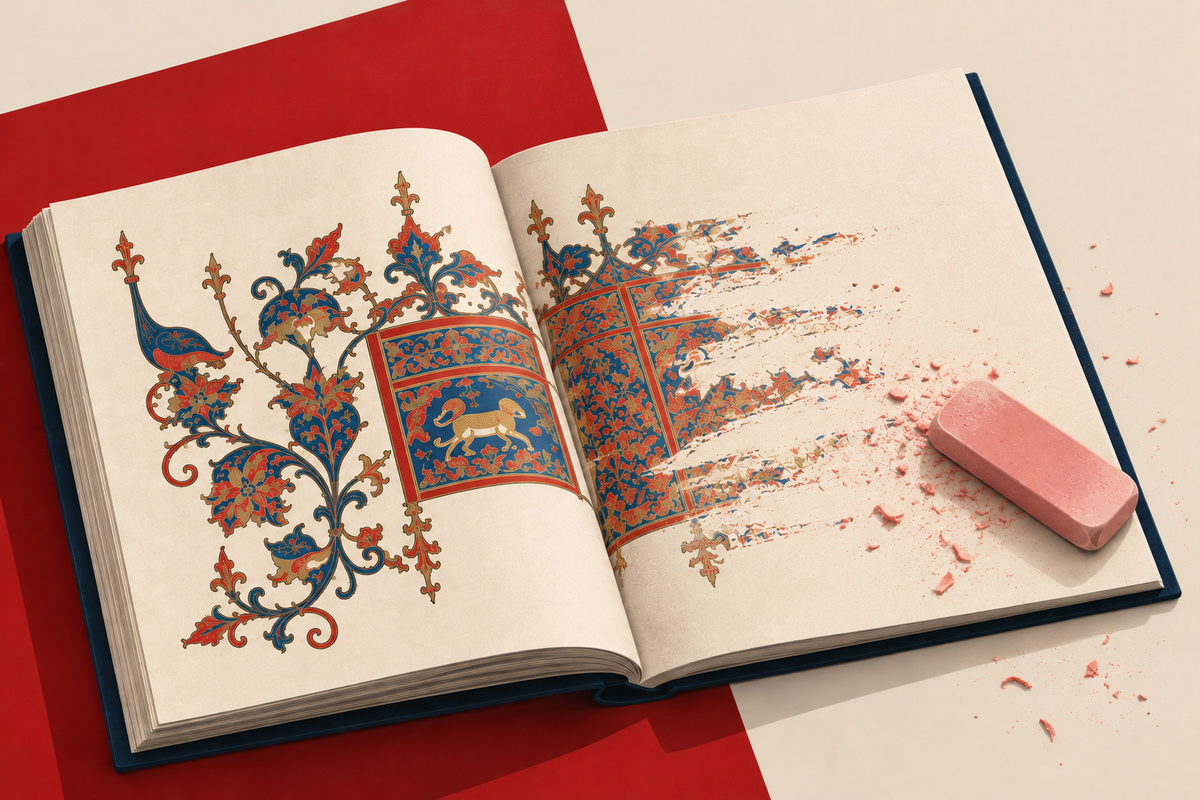
The idea of a society getting used to news that would’ve outraged people a while ago has a name: habituation. We might also call it absurdity creep. Perhaps the easiest way to understand this is through the familiar boiling frog analogy. That is, a frog placed into water that heats slowly does not realize the danger and cooks to death, whereas a frog dropped straight into the boiling water jumps right out. If, 10 years ago, a now-Civil Contract supporter had found out that Nikol Pashinyan thought a mother should’ve waited for the police instead of protecting her kids from an Azerbaijani soldier, that supporter would’ve cursed the government. Today, people call out the mother’s aggression and praise “Nikol the Peacemaker.” That is because we were never dropped into boiling water. Our water started heating from the moment Pashinyan divided politicians into black and white, and continued when he gave away Artsakh, called Shushi “unfortunate and pale,” and recognized Karabakh as part of Azerbaijan. Now, as he prosecutes the church and wants us to forget Azerbaijan’s atrocities, we find ourselves in boiling water. The saddest part is that most still don’t see it. After all, he did raise the pension by 10,000 drams.