



The phrase “Armenian diaspora in America” is a simple and convenient term, but it actually represents an ever-changing and complex entity. In a strategic sense, it represents an epic battle between remaining relevant in a diverse environment and protecting the core of our identity. Our struggle to protect and continue the legacy of a brilliant civilization is constantly challenged by the ever-present forces of assimilation, secularism and other identity distractions courtesy of the genocidal Turks. As each generation matriculates into its senior years, it worries about generational transfer, sustainability and ensuring a continued history.
Ours is a hybrid model, with a majority of Armenians living outside the homeland and our eternal hope focused on the sovereign state. For the better part of the last century, the diaspora built its identity model with stand-alone infrastructure to nurture and build commitment for each succeeding generation. In 1991, the model was adjusted with the emergence of an independent and sovereign Republic of Armenia. Although the benefits of the diaspora-homeland relationship have yet to be optimized, the fruit of this opportunity has emerged through heartfelt investment in the republic and a surge in identity within the diaspora.
A primary example is the unprecedented gift that thousands of young diaspora Armenians have received through service programs, pan-Armenian events and other programs designed to build a bond with their Armenian identity through the homeland. Although most will not repatriate, some will, personally reversing what their grandparents and great-grandparents experienced through the genocide. The hope is that those who choose to continue living in the diaspora will apply their strengthened identity to community building while continuing to contribute to the homeland. In a perfect state, it is a mutually beneficial model. A diaspora with an appetite for sustainable identity invests in the homeland while keeping our global presence whole. We are still working on it, but the model has a vision.
While change in our communities, both positive and negative, is usually measured in years and decades, several factors affect the health of our existence in the diaspora. Some are controllable, while others are a function of the environment in which we reside. Perhaps the largest single factor influencing the establishment of our communities is the stability of the economy. It is a double-edged sword. Most of our communities were founded on a prevailing unique characteristic in the locale. When our immigrating ancestors arrived in Springfield, it was to work in the Chapman Valve foundry. They were attracted to the Merrimack Valley by the textile mills in Lowell and Lawrence. Hundreds settled in Worcester to work in the wire mills, while a legacy was built in tiny Whitinsville through employment at the Whitin Machine Works.
Larger cities, such as Chicago and New York, offered diverse employment for factory workers or entrepreneurs. The agricultural opportunities in Fresno reminded many of their farms in western Armenia, while the growing automotive industry and its adjacent businesses built the community in Detroit. Watertown employed hundreds of our family members at the famed Hood Rubber Co. The availability of employment was the primary factor in building the demographics. What followed was a sense of permanency that enabled community building.

We have also experienced the downside of economic change. The impact was more severe in small and mid-sized communities, where the absorption of negative factors was more difficult to counter. Springfield once had a vibrant manufacturing sector that employed thousands and attracted new families, including Armenians. It provided growth and stability to the Armenian community. As those jobs left the area and many of our children became college-educated professionals, they found employment elsewhere, disrupting the sustainable model. This experience has had a similar effect in the Capital District of New York, Syracuse, Niagara Falls and other small communities. Whitinsville is an interesting study. While the days of Whitin Machine Works are long gone, the community has reinvented itself.
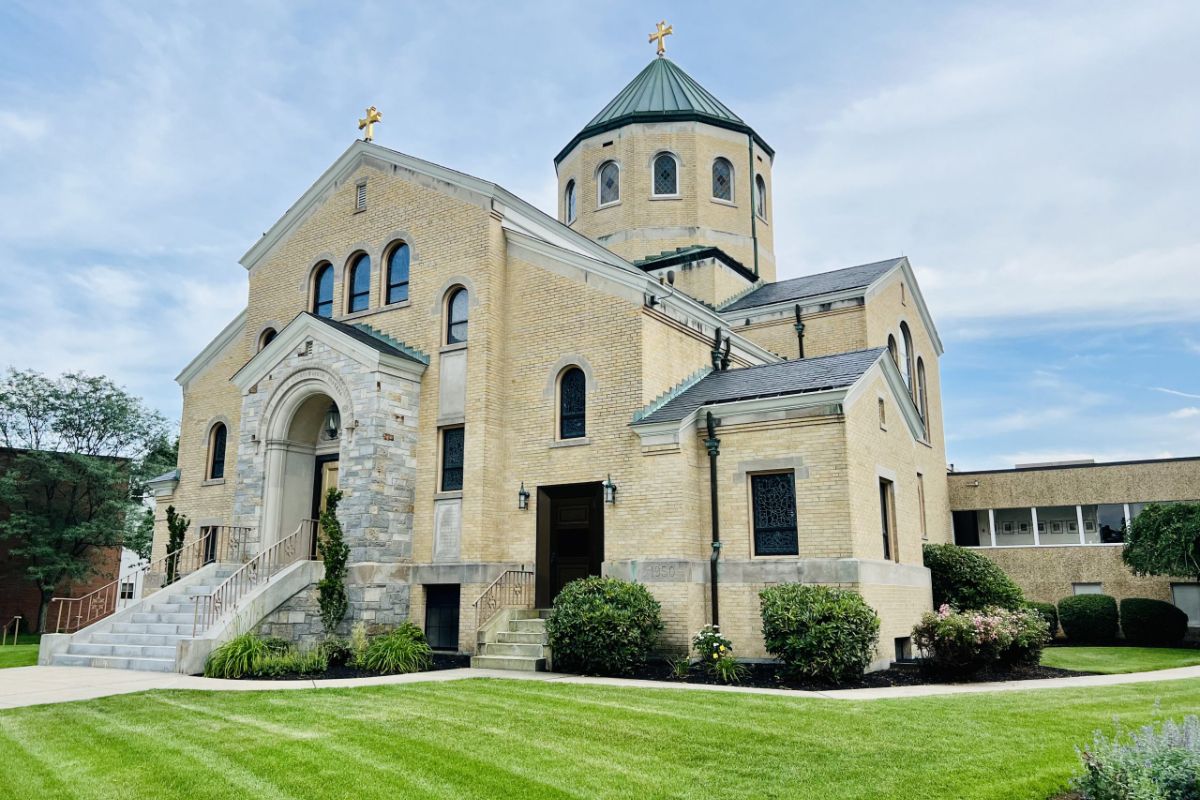
Situated in a triangle between Worcester, Boston and Providence, the community offers options related to the impact of suburban sprawl. Our larger communities have been able to integrate economic changes. From factory employment to tech workers and biotech, some of our locations have adapted and benefited from the opportunities of urban employment. St. Illuminator’s Cathedral, Mayr Yegeghetzi, has a long and valued history as a home for our immigrant brethren as well as a place that serves the city community. It began by serving an immigrant generation centered around the Lower East Side and has evolved with every immigrant wave from the Middle East, Baku and Yerevan. It remains vibrant by adjusting to an influx of young professionals living in the city, as well as serving the needs of the general public.
One aspect of local economies that has been a positive factor has been the number of Armenians engaged in entrepreneurial self-employment. Although not completely immune to economic decline, it has afforded many Armenians more control over their future and stabilized the communities. Another thought to consider is that while several of our older communities have been affected by economic decline, we have also experienced the upside, with communal life established in places such as Houston, Dallas, Charlotte, Minnesota, Las Vegas, Tampa and Orlando. Demographic shifts in America have enabled Armenian communities to organize in new locations.
Economic change is primarily an external factor that we attempt to influence. Building an identity in your community is an internal factor that is the primary output of our infrastructure. This is an area of critical concern for our communities. Our survival as a diaspora depends on what I will refer to as the generational transfer of identity. In the diaspora, ethnic and religious identity is a choice during our lifetime. The entire community structure is designed to influence that choice, which we all make at some point. Establishing an emotional connection with aspects of our culture — language, music, religion, history and other elements — builds identity that is usually exercised through community participation.
When that connection is broken or fragmented among individuals, it is eventually reflected in the vibrancy of the community. While we have attempted to understand areas of impact such as increased secularism and intermarriage as potential challenges to identity, we have also experienced countless examples of non-Armenian spouses embracing our heritage and strengthening their combined commitment. We must also factor in that significant migration from the Middle East, Baku and Armenia has replenished community life when Armenians born in America have drifted from their identity.
Our survival as a diaspora depends on what I will refer to as the generational transfer of identity.
I would offer two rhetorical questions to consider in this regard: Where would our community infrastructure in the American diaspora be today without the continued replenishment of immigrants? For those of you born or raised in this country, how many of your peers from your youth are still active in community life? Armenian identity in the diaspora has diminished value when limited to private life. We should all pray as individuals, but we worship as a community. The concept of community is our attempt at sustainability. Unlike economic forces, which are significantly out of our control and explain why we experience communal decline as well as the emergence of new communities, identity can be influenced in the community and in family life. It should be considered an essential part of our parental responsibilities.
A final variable in our communal equation is what I will refer to as self-inflicted damage due to unresolved disagreements, leadership issues and other conflicts. We should admit to ourselves that our passion and opinions have often led to division and net losses in community life. Too often in our communities, disagreements lead to choosing sides rather than investing in solutions. When you pick a side, you have essentially rendered yourself unable to contribute to a resolution. Communities should debate important topics and arrive at consensus. Frankly, too often we fail in this regard because we lack a common vision or because our egos prevent agreement.
We are taught that “winning” is more important than harmony. Communities function best when most people are committed to a common vision rather than power-and-control dynamics. When we see the tragic conflict in Washington between Republicans and Democrats, which often leads to gridlock, many of us ask, “Where are the Americans?” We must always focus on what unites us, not on what divides us. It saddens me whenever I hear that an individual has left the community because of a disagreement. Talent lost in our communities is always a tragedy. We proudly declare to the general public that Armenia was the first Christian nation, but how often are we governed by the Christian hallmarks of love and forgiveness?
We must always focus on what unites us, not on what divides us.
The solution must involve the optimal use of inclusion and transparency. Participation in community life is a choice. Essentially, we are all volunteers. When we choose to limit participation or not fully disclose content germane to participants, some will eventually lose interest and drift away. Losing one’s identity to our faith and heritage is a loss, but exiting over preventable behavior is a preventable problem that we must take seriously. Conflict and division generate losses we should not tolerate. When we participate in parishes and organizations, we essentially subordinate ourselves to the whole. We have opinions but should accept the will of the majority. It requires a level of humility that will make us more effective.
Healthy Armenian communities in the diaspora are the core of our identity. When we work as a community, we optimize our political, economic and philanthropic leverage. Each day, we are confronted with variables that can positively or negatively affect our sustainability. It is up to us, as individuals and as participants in our communities, to influence those attributes. When we disagree with the will of the majority but decide to support the decision, we are having a positive impact. If we mentor our youth to build their knowledge and bring them closer to their identity, we are adding value. Instead of choosing sides in a conflict, choose consensus and harmony. Embrace the fact that every day matters for you, your children and your grandchildren in sustaining what we have inherited.
Healthy Armenian communities in the diaspora are the core of our identity.

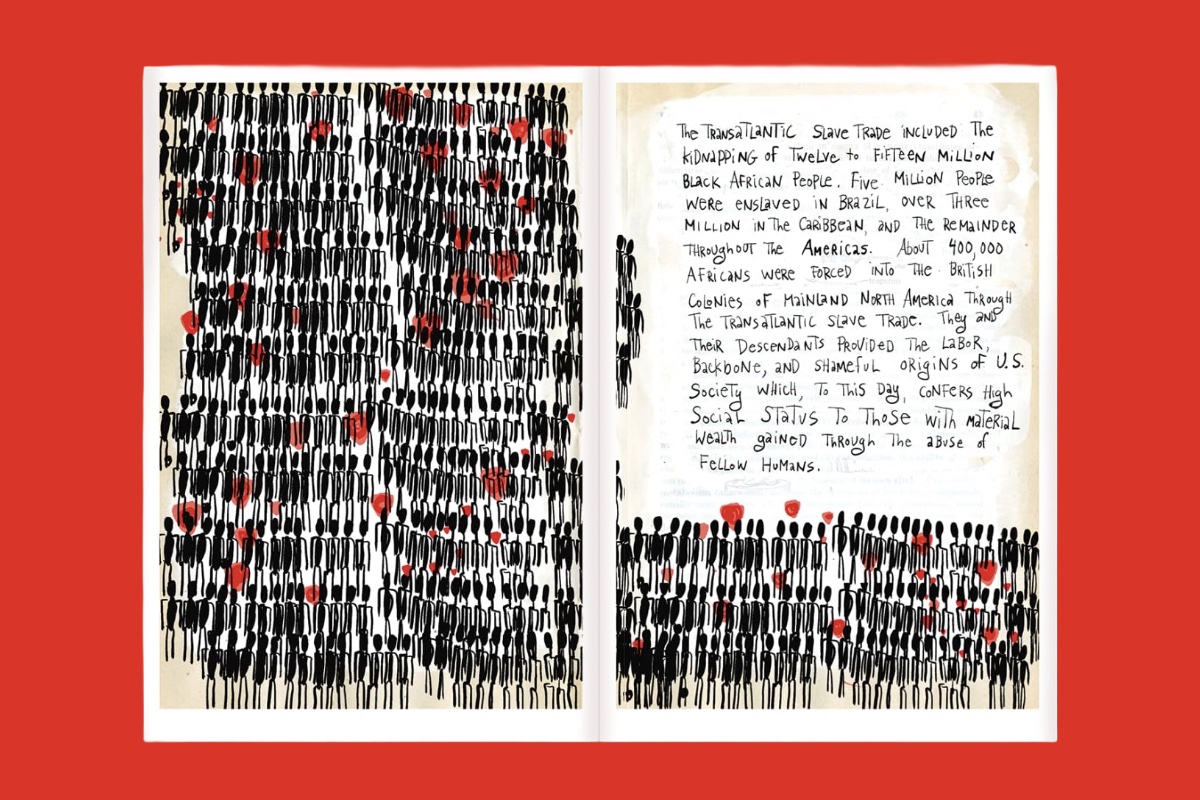
I hate to nitpick, but this country is called the United States. America is all the land in the western hemisphere. That’s part of the point Bad Bunny made with his Superbowl performance. It was through a misunderstanding of a speech by James Madison that the word came to refer exclusively to the US.
A few things come to mind.
First, the Ramgavar and Tashnak split is still strangely prominent in American diaspora communities. As a late millennial, I and many of my peers find this feud absolutely stupid in the late 2020s. I still hear stories of supposed adults: Ramgavars avoiding Tashnaks at the grocery store, Tashnaks sniping at Ramgavars. Grow up. The USSR collapsed 35 years ago. These Cold War era grudges are unappealing to younger generations.
Second, there is constant pressure from elders to “mind your place” in the church, even though many younger Armenians are simply less religious today. Pews are thinning in many communities, yet some still maintain two churches to satisfy competing factions. Maybe they should merge.
Third, there is a real sense that Armenians are not always kind to one another. I have had closer bonds with my Amergatzie friends, people who would give me the shirt off their backs, than with some Armenians I once considered friends. I have also seen Armenian LGBT individuals shunned by family and community for being “ammot.” It raises a serious question about what this supposed community bond actually is.
These are anecdotes, but they reflect a real undercurrent.
So if diaspora Armenians eventually resemble other ethnic groups such as Italians, Irish, or Latinos, where assimilation occurs but a light cultural tie remains through food, holidays, and folk traditions, is that really so bad? I am not convinced it is.