Beyond butterflies: Siranush Aghajanyan’s mosaicked Yerevan
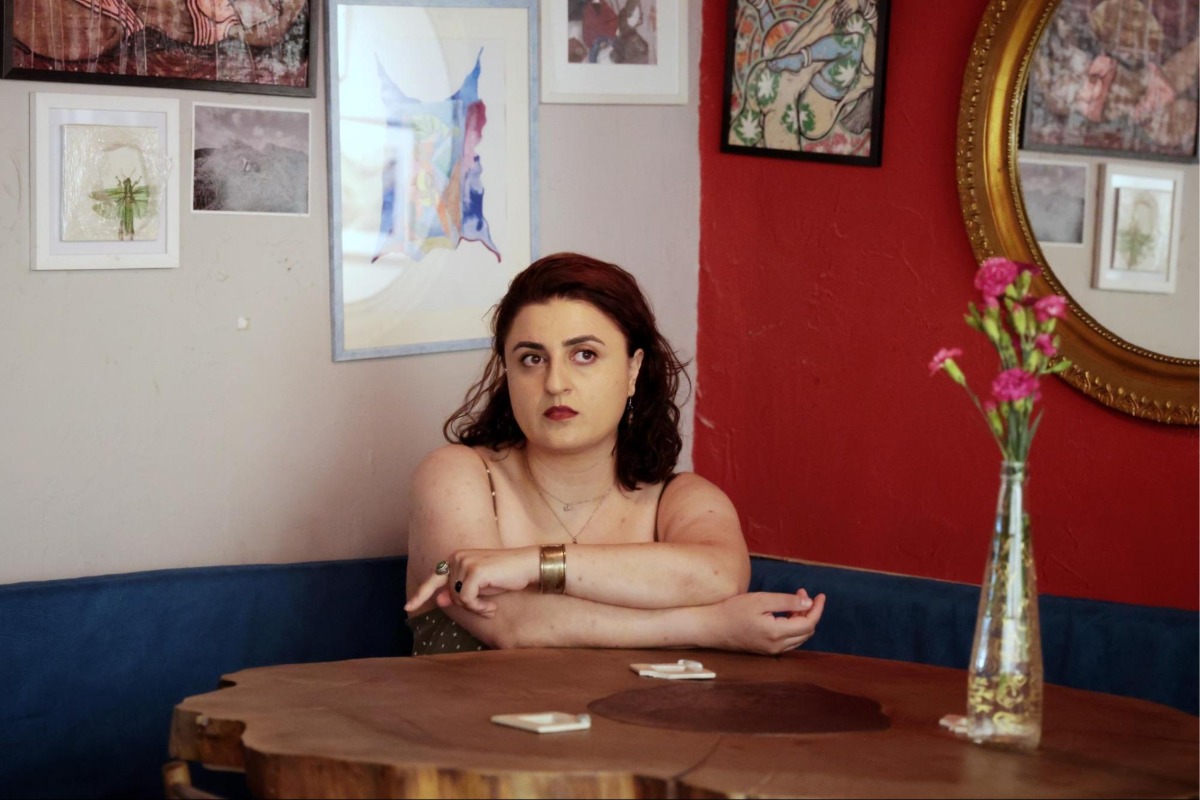
Long before her name became associated with the vibrant public artworks scattered across Armenia, Siranush Aghajanyan was a young artist searching for new ways to express herself. She studied at the Panos Terlemezyan State College of Fine Arts and later at the Yerevan State Academy of Fine Arts, where she trained in classical drawing and painting.
While experimenting with leftover tile pieces, she gradually discovered mosaic as her artistic medium. Inspired by pixel art and the work of French street artist Invader, Aghajanyan began turning small tile fragments into large-scale public artworks. At the time, pixel mosaics were almost unknown in Armenia. Over the next 11 years, she created about 40 mosaic installations across Yerevan, introducing a new form of street art that combined traditional mosaic techniques with contemporary ideas. Today, about 30 of those works remain, becoming part of the city’s visual identity.
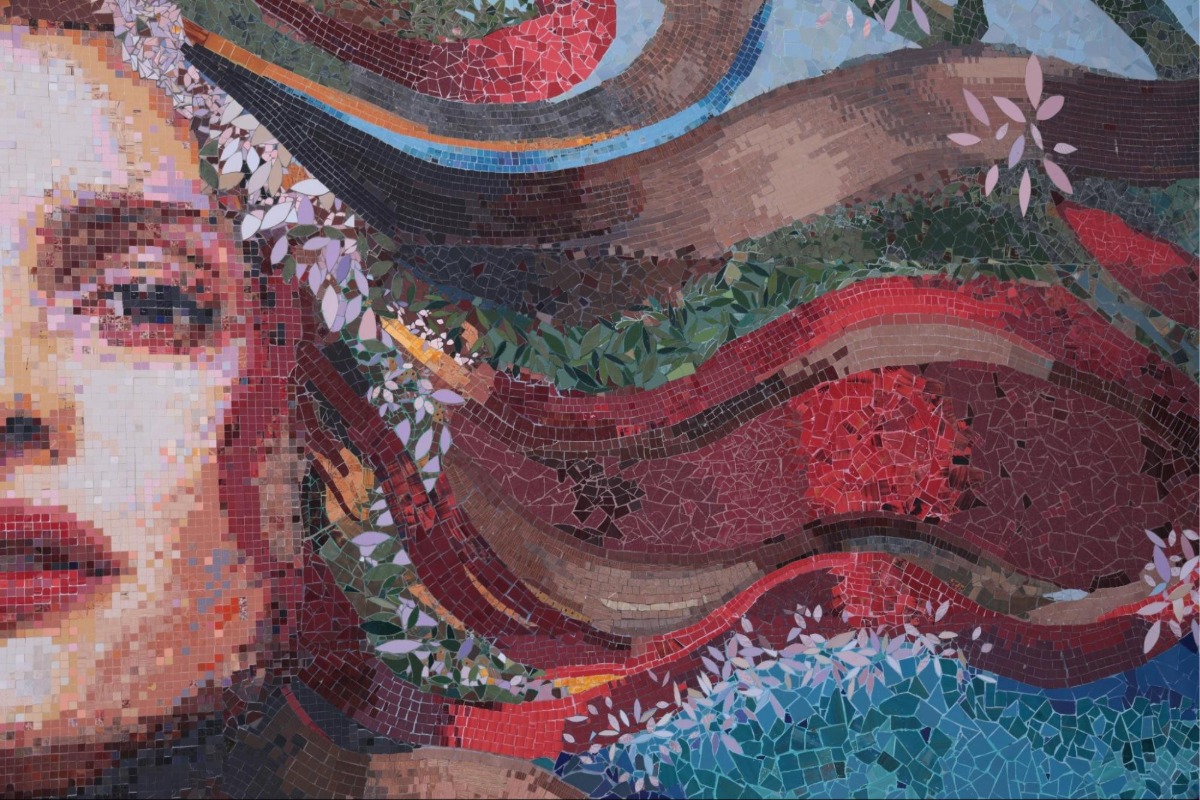
Unlike commissioned public art, Aghajanyan viewed street art as a form of artistic activism rather than decoration. “Street art cannot be approved in advance,” she says. “That’s urban art. Street art has a protest spirit. It serves society, speaks about social and political issues, and stands against war.” For that reason, she never signed her works. “I didn’t think writing my name was important,” she says.
Her artistic training also shaped the way she approached the street. Rather than treating walls simply as surfaces to decorate, she carefully considered how each work would interact with its surroundings and the people passing by. “I wanted someone walking through the city with all their everyday worries to suddenly look up and see a giant butterfly,” she says
After the 2020 war, however, Aghajanyan found herself unable to create. “The war created a feeling that you couldn’t breathe creatively,” she says. During that difficult period, she unexpectedly fell deeply in love, an experience that sparked the idea for what would become her best-known body of work: the “Butterflies” series.

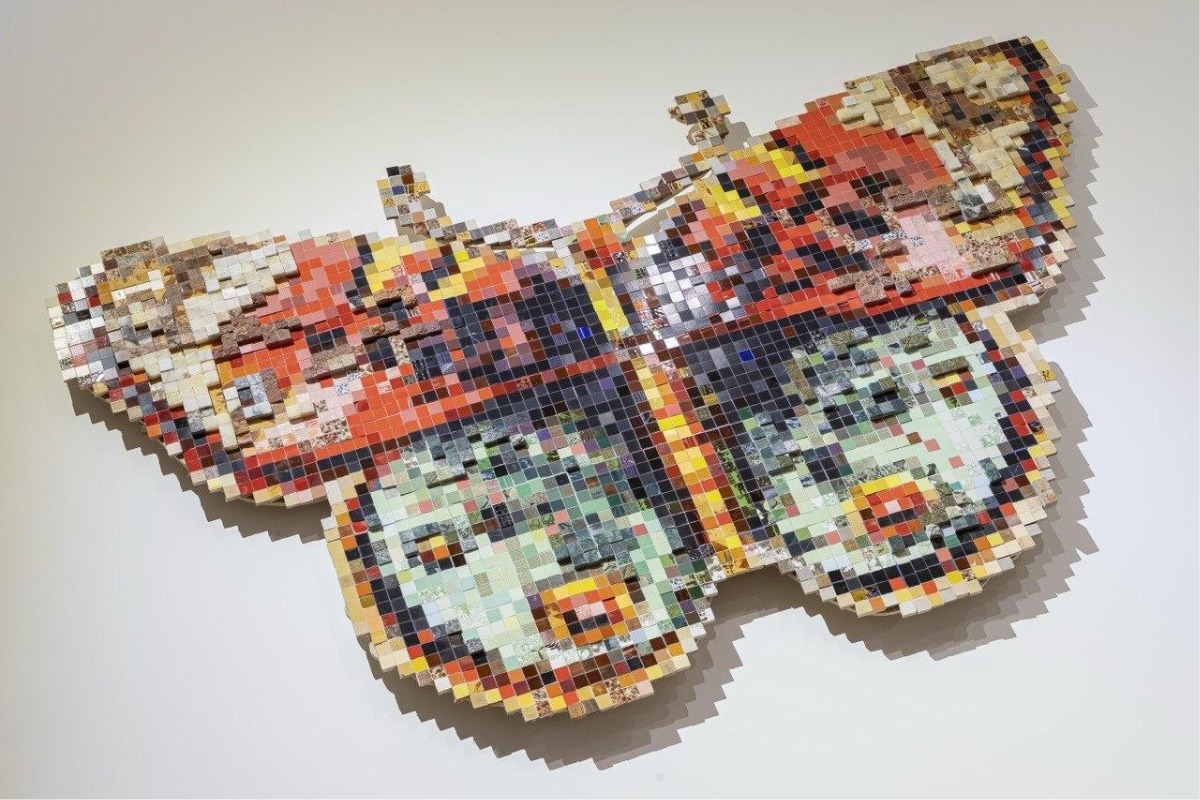
At first, the butterfly represented the familiar feeling of “butterflies in your stomach.” But as she immersed herself in the mythology and symbolism surrounding the insect, she discovered a much richer meaning. Across cultures, butterflies have long represented peace, love, rebirth, transformation and eternity. “It is very difficult to create a butterfly series because people associate butterflies with frivolity or a fleeting life,” she explains. “But when I studied their mythology, that was exactly what I found: peace, eternity, love and rebirth.”
Determined to challenge those assumptions, Aghajanyan enlarged the delicate insect into monumental mosaic sculptures, some stretching up to 3.5 meters across. The result was a series of about 13 butterflies installed throughout public spaces, primarily in Yerevan.
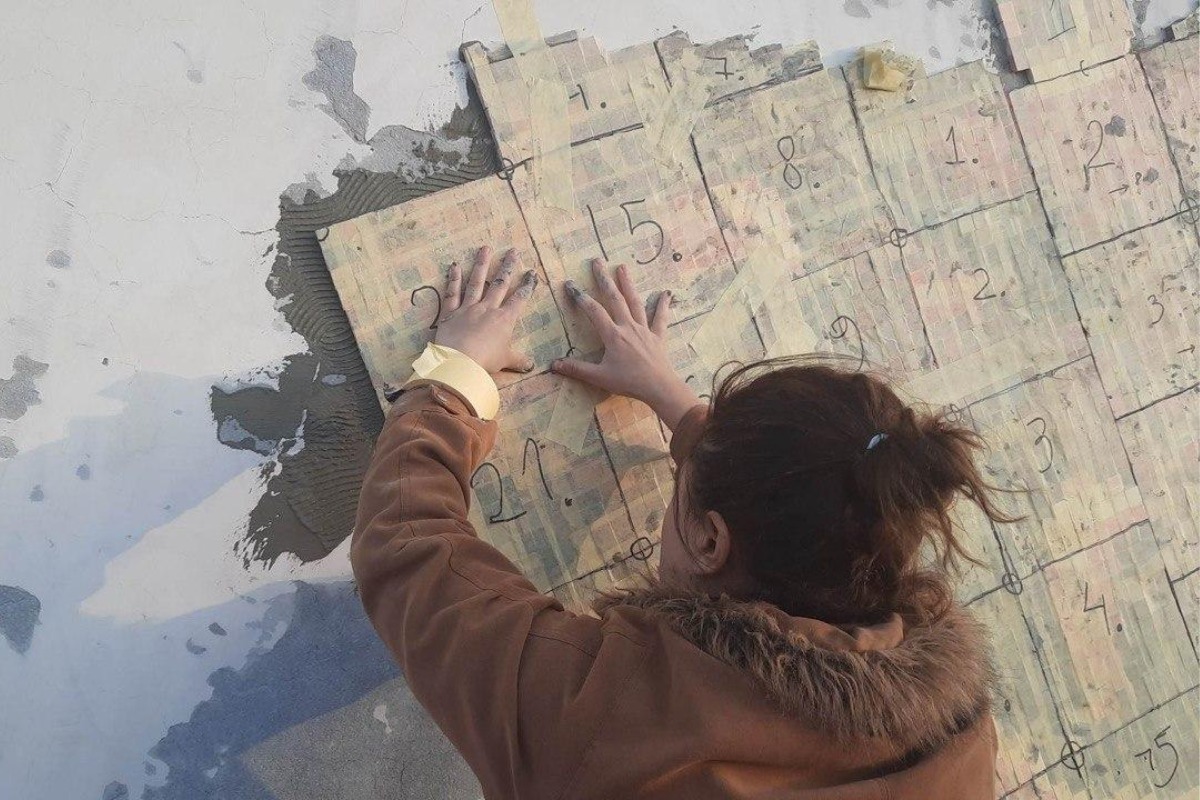
One of the largest works travelled to Artsakh, where mosaic street art had virtually no presence. “It happened very spontaneously,” she recalls. “Some residents stopped and made comments, but I didn’t care. I wanted these works to exist naturally in the urban environment.”
After Azerbaijan took control of Artsakh in 2023, the Stepanakert butterfly was destroyed. Recently, Aghajanyan saw footage showing that only traces of the once-vibrant work remained.
“Street art has a protest spirit. It serves society, speaks about social and political issues, and stands against war.”
Despite that loss, the series continued to gain international recognition. The Cafesjian Center for the Arts invited Aghajanyan to present a solo exhibition, funding the expansion of the project and bringing works originally created for the street into a museum setting. “Some people asked why a street artist was being exhibited in a museum,” she says. “But art belongs everywhere, including museums.”
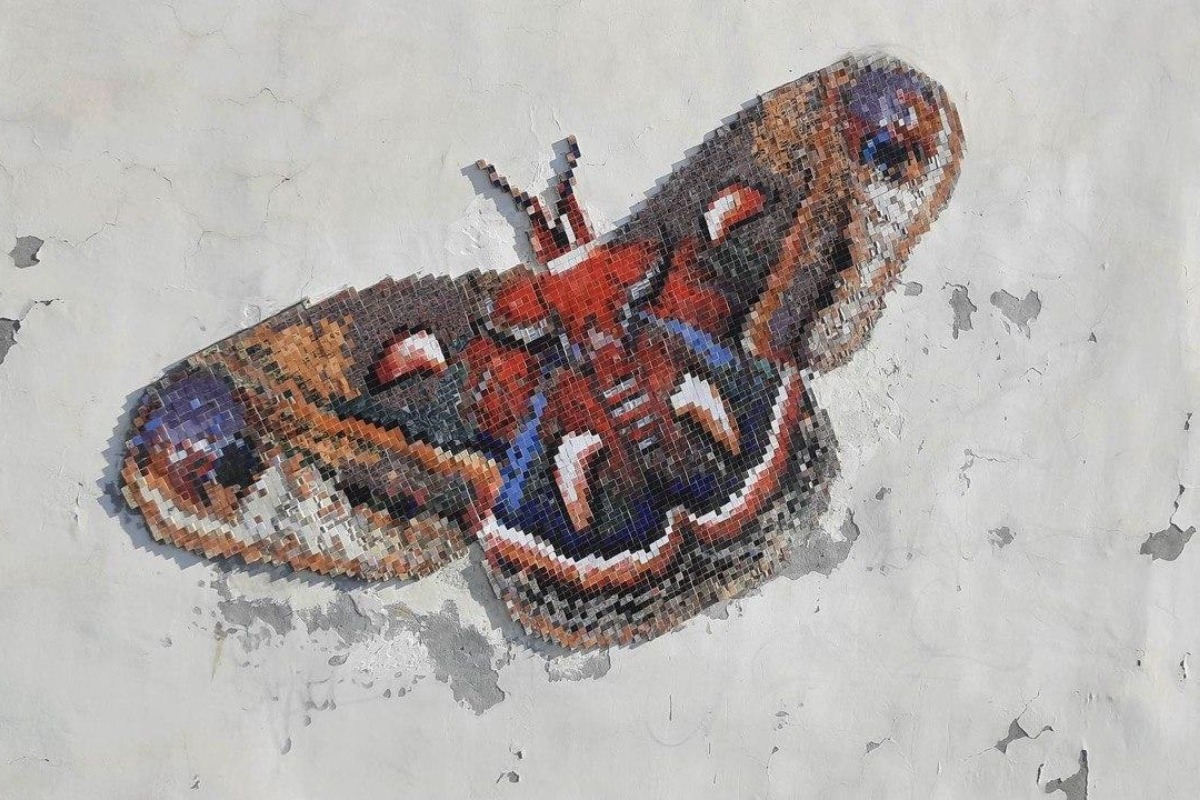
The “Butterflies” series has since traveled beyond Armenia. In 2023, Aghajanyan exhibited the project in Monaco as the only artist representing Armenia. This year, the works are scheduled to be shown in Sofia before continuing to Vienna. Yet even as the “Butterflies” series became her signature work, Aghajanyan refused to let them define her career. She has since developed new projects, including an unreleased mosaic series titled “Rusts” and an ongoing collection of watercolor paintings centered on flowers, both exploring new directions in her artistic practice. Yet success brought an unexpected sense of creative confinement.
“I don’t want to become a prisoner of mosaic,” she says. “An artist is more than the material they work with. Otherwise, you remain only a craftsman.”
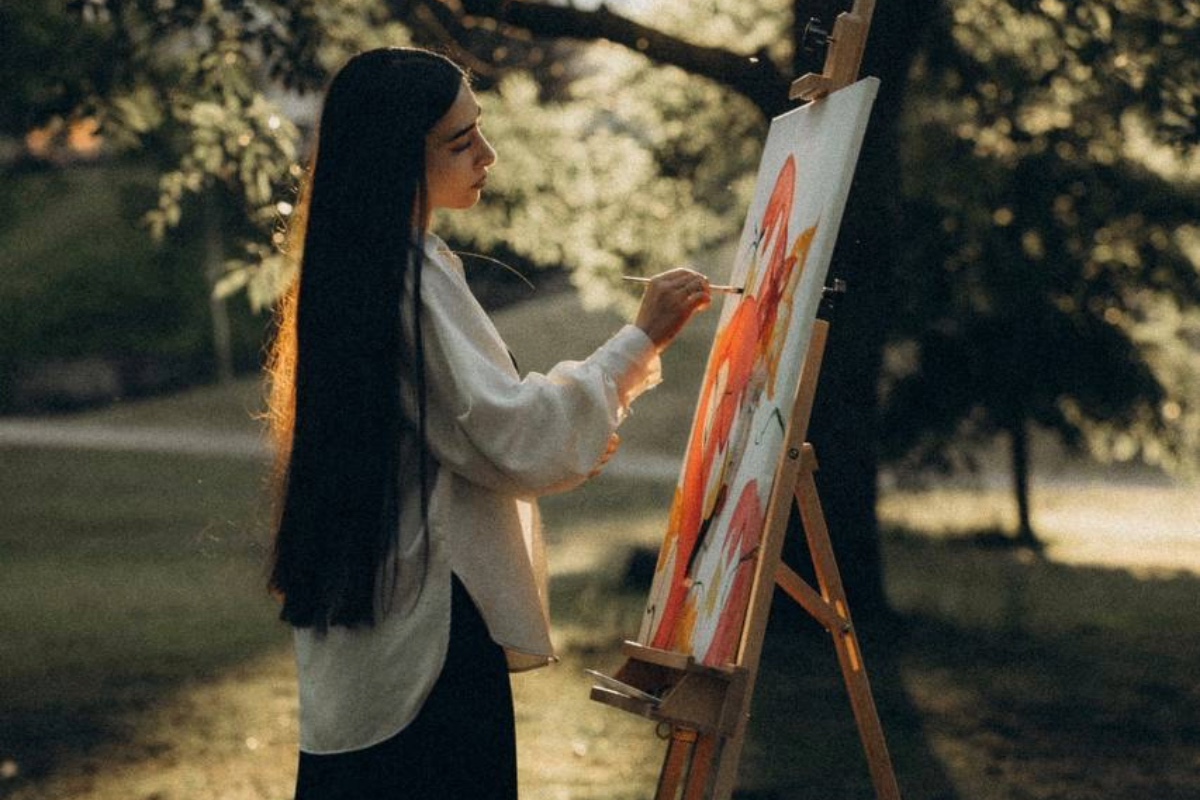
Three months ago, she made a radical decision. She closed her studio, let go of her staff and stepped away from commercial commissions, despite years of investment in equipment and infrastructure. Instead, she chose to dedicate herself to author-driven work and rethink what the next chapter of her artistic practice should be. For the past two years, she has largely stepped away from street art.
“In a way, I feel that I’ve exhausted myself as a street artist during this period,” she says. “Now I want to communicate with art differently. The issues I see around me can be expressed not only through street art but also through works shown in indoor spaces that remain accessible to people.”
“An artist is more than the material they work with. Otherwise, you remain only a craftsman.”
Looking ahead, Aghajanyan hopes to establish a mosaic school in Armenia, preserving the techniques she has spent more than a decade developing. She is also creating a public library dedicated to women artists, bringing together books on women creators from the 17th century to the present, including feminist art and literature. Rather than simply producing artworks, she hopes to create spaces where artistic knowledge, dialogue and experimentation can continue long after individual exhibitions end.