Stepan PiligianJanuary 15, 2025Last Updated: January 15, 2025
2 6 minutes read
The front page of the Feb. 11, 1932 issue of the Hairenik Daily (Armenian) included “Hairenik’s Questionnaire to the Armenian Youth of America.” It asked questions like: “Are you conscious in your daily life that you are an Armenian?”; “Do you read Armenian books, magazines or newspapers?”; and “Do you see the necessity of publishing an English paper, weekly or monthly, for our young generation?” The responses to the questionnaire overwhelmingly confirmed that Armenian-American youth were interested in participating in Armenian life and reading Armenian-interest newspapers as long as they could do so through the language they preferred—the language, in which they are more comfortable.
I have always found the term “diaspora” ironic. We embrace a simple label to describe an incredibly complex reality for the millions of Armenians who live outside the homeland in a vast array of host nations. Our hyphenated lives are indeed complicated as we navigate the retention of our core cultural values while integrating where we reside.
Density has a significant influence with this challenge. Our identity is manifested by our collective behavior. Many communities in North America were formed as a result of immigration patterns from the Genocide — others through more recent migration, such as the tragedies in Baku and unrest in the Middle East. Each entity has its own unique history and cultural norms but also retains certain common standards that enable connection to the global Armenian nation.
Stepan Piligian was raised in the Armenian community of Indian Orchard, Massachusetts, at the St. Gregory Parish. A former member of the AYF Central Executive, he is active in the Armenian community. Currently, he serves on the board of the Armenian Heritage Foundation. Stepan is a retired executive in the computer storage industry and resides in the Boston area with his wife Susan. He has spent many years as a volunteer teacher of Armenian history and contemporary issues to the young generation and adults at schools, camps and churches. His interests include the Armenian diaspora, Armenia, sports and reading.
2 Comments
Piligian’s reflections on diaspora identity underscore the difficulties of preserving Armenian culture as generations evolve and communities disperse. While he stresses the role of community and family, the diaspora must also reconsider its relationship with Armenia. Rather than depending solely on traditional models, diaspora communities should incorporate Armenia into their strategies, fostering a stronger homeland-diaspora connection to sustain and help our identity thrive. Just as language thrives through use and adaptation, so must our identity. The diaspora’s future depends on a willingness to evolve.
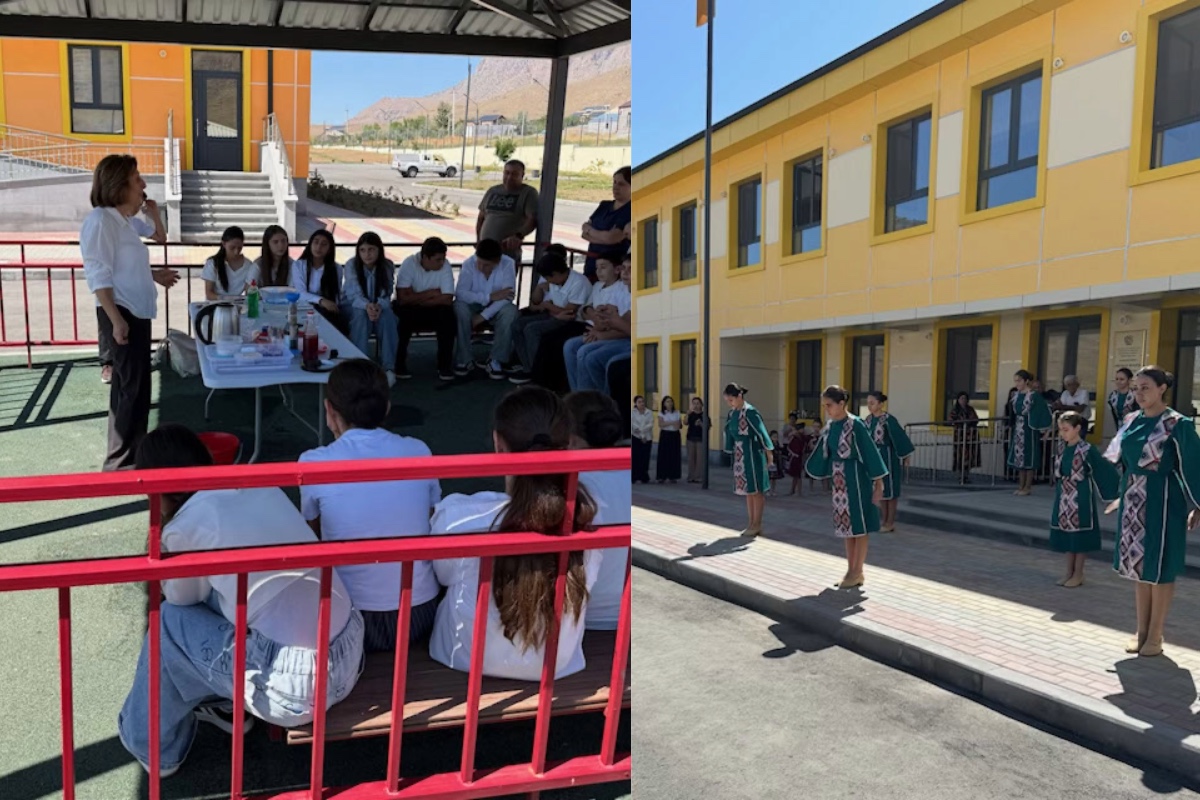
The Armenian school is the most important institution for the survival of the Armenian community and church in the diaspora. Armenians understood they had to work to preserve Armenian identity. To emphasize that the church was named Armenian Apostolic Church whose mission would be to teach Armenian identity. Mesrob Mashtots invented Armenian Alphabet opened the first Armenian school. History shows that Armenian communities in foreign countries that built churches without schools eventually disappeared






Piligian’s reflections on diaspora identity underscore the difficulties of preserving Armenian culture as generations evolve and communities disperse. While he stresses the role of community and family, the diaspora must also reconsider its relationship with Armenia. Rather than depending solely on traditional models, diaspora communities should incorporate Armenia into their strategies, fostering a stronger homeland-diaspora connection to sustain and help our identity thrive. Just as language thrives through use and adaptation, so must our identity. The diaspora’s future depends on a willingness to evolve.
The Armenian school is the most important institution for the survival of the Armenian community and church in the diaspora. Armenians understood they had to work to preserve Armenian identity. To emphasize that the church was named Armenian Apostolic Church whose mission would be to teach Armenian identity. Mesrob Mashtots invented Armenian Alphabet opened the first Armenian school. History shows that Armenian communities in foreign countries that built churches without schools eventually disappeared