


Garen Mouths Off
Three Women, Three Tragedies, Three Books
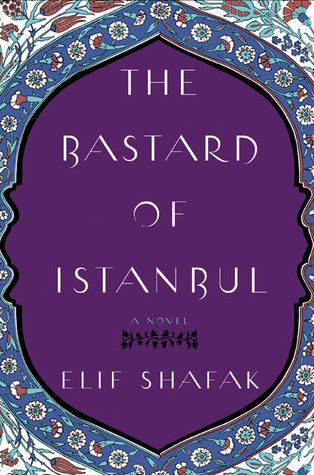
It’s taken me a few years to finally read the three books below, which struck me as related and worth sharing. Each is a powerful statement. Each represents a time and situation in human history. Even though they are based on events or situations that occurred (or were created) a century, half a century, and a decade ago, it seems to me they can all be tied to processes that began in the 18th and 19thcenturies.

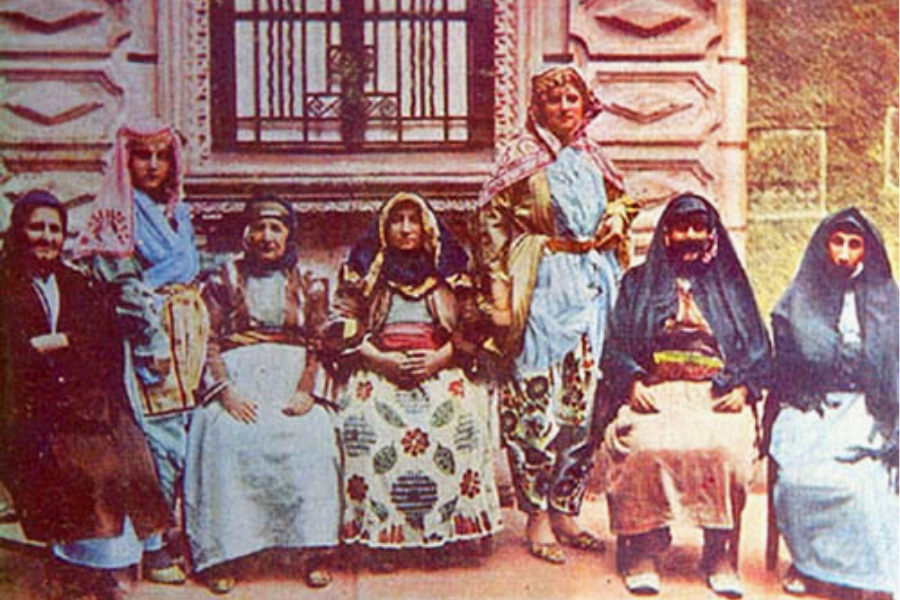


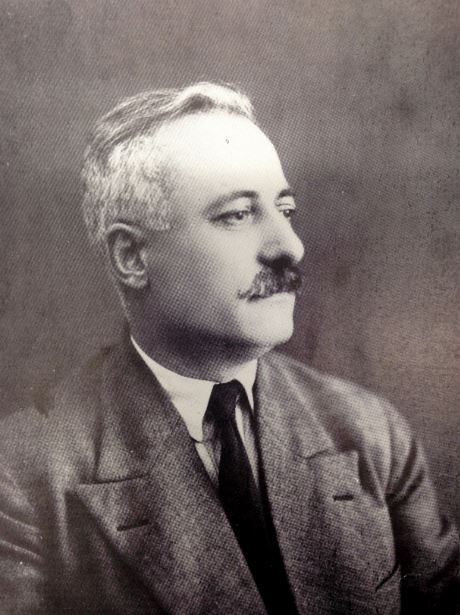
I read all three of your recommendations when they first came out, Garen. Silent Spring was actually very well received at the time. I remember that many of us wanted to “go back to the land.“ It was considered really cool to buy a pick-up truck. This was in the 1960s. Betty Friedan`s Feminine Mystique came out about the same time. I did buy a yellow pick-up truck and I did buy a farm! I think I still have both those books somewhere in the house.
Here’s my recommendation for three can’t-put-it-down books: Birds Without Wings by Louis de Bernieres, who also wrote, among many other books, Captain Corelli’s Mandolin. Birds takes place during the era of the crumbling Ottoman empire. It is a 625 page saga based on the lives of the Armenian, Kurdish, Turkish inhabitants of a small village in south west Turkey. Bernieres writes, “When the Christians left, the local economy collapsed. They lost everybody who knew how to make anything, and everybody who knew how to do anything. One reviewer called it a book “about the failure of nationalism and religious fanaticism.” The rise of Mustafa Kemal (Ataturk) is followed. It is an astonishingly accurate description of daily village life of Armenians. Bernieres has an unmatched gift for putting words together in order to create a visual that will linger in you long after you finish the book. It’s easy to find in any library.
Zaytag Paladian, who frequently comments on these pages, recommended Mamigon by Jack Hashian. It’s hard to track down because it’s out of print, but thank goodness I finally did. Here is what he writes in the opening of the foreword – read this and see if you don’t have to drop everything and find this book too.
“This is the story of Mamigon… soldier, sailor, blacksmith, truck driver. It is also a story about Armenians – not the gentle and sensitive Armenians of William Saroyan and Elia Kazan, – but the Armenians descended from those who first cast iron and rode their horses roughshod and bloodily through the Bronze Age; of Armenians descended from those who beat back the Persian hordes of Darius and Cyrus, the Greek phalanxes, the Roman Crescent, only to embrace Christianity and finally fall to the sword of Islam 900 years ago as they repeatedly and meekly turned the other cheek. This is the story of Mamigon, a modern-day Armenian at the start of World War 1 who did not know how to turn the other cheek. It is a story of vengeance and death as he tracks the killer of his family across the suddenly hostile homeland of his fathers to the bewildering shores of the New World.
Ànd this is just the forward! No, you can’t borrow my copy! Now that I have finished Sandcastle Girls, I think I will re-read both of these books this summer.
Just one more recommendation– do you know that the new revised edition of Forty Days of Musa Dagh is out – 893 pages to get lost in once again. There is new material in this book, and it is a new translation. When I read the original version, I was on a flight to Yerevan. I hardly noticed the time passing; I was simply lost in this book. I`m saving this new translation to read on the flight to Yerevan again. I am going this fall. I remember how wonderful it was to finish the book and find myself in Zvartnots airport, surrounded by Armenians.
Here`s just one more, Garen. Get the three volumes of The Heritage of Armenian Literature. They are out of print but still available on Amazon. Volume 2 and 3 are both over 1,000 pages each, so you will never run out of fascinating reading material. Published by Wayne State U.