

The Region in Brief
Armenia
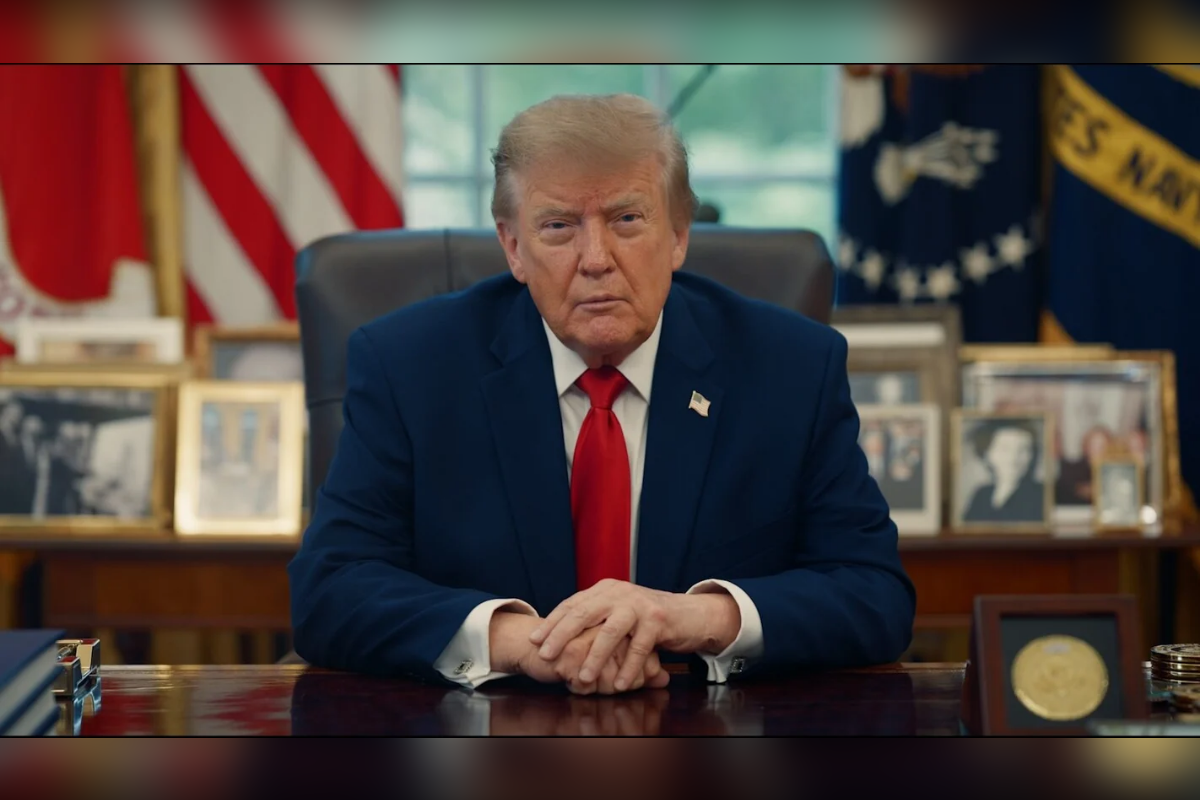
On Nov. 23, Armenian Prime Minister Nikol Pashinyan and U.S. President Donald Trump announced the launch of the practical phase of the Trump Route for International Peace and Prosperity (TRIPP), a joint Armenian-American infrastructure initiative connecting mainland Azerbaijan with Nakhichevan through Armenia’s southern Syunik province.
Pashinyan described the initiative as Armenia’s largest economic project since independence, arguing that it would expand the country’s access to international markets and contribute to regional peace. Trump thanked Pashinyan and Azerbaijani President Ilham Aliyev for advancing the project and invited the Armenian prime minister to visit the White House during his anticipated trip to Washington in 2027.
Speaking at the DigiTec 2026 technology conference on Nov. 21, Pashinyan also announced that Armenia intends to connect its electricity grid with those of Azerbaijan and Turkey as part of the initiative. He noted that Armenia already maintains electricity connections with Iran and Georgia and is investing in improving its transmission infrastructure.
The inclusion of energy infrastructure expands the project’s significance beyond road and railway transportation. However, questions remain regarding the operational arrangements, energy security safeguards and the implementation of infrastructure projects in areas where border delimitation with Azerbaijan has yet to be completed. The announcement marks the launch of the project’s practical phase, not the opening of an operational transit route.
Artsakh
On Nov. 19, the City Council of Nice, France, unanimously adopted a resolution granting honorary citizenship to the 20 Armenian prisoners remaining in Azerbaijani custody. The initiative was advanced by the Committee for the Defense of Armenian Affairs (CDCA) and supported by Nice Mayor Éric Ciotti.
The municipality also assigned individual city council members to advocate for each prisoner and committed to maintaining their photographs outside City Hall to raise public awareness of their detention. The initiative comes amid continuing concerns regarding the prisoners’ conditions and the absence of an International Committee of the Red Cross delegation in Azerbaijan since September 2025.
Separately, controversy intensified over the designation of Azerbaijan as the birthplace of Armenians born in Artsakh who receive new Armenian passports.
On Nov. 24, Armenian Interior Minister Arpine Sargsyan defended the practice, citing international passport standards and consultations with experts from the International Civil Aviation Organization (ICAO). However, Sargsyan acknowledged that international standards permit either a country or a specific settlement to be listed, confirming that the designation reflects a decision by the Armenian authorities.
Journalist Nairi Hokhikyan challenged the government’s justification, citing the passport of a Greek citizen of Armenian origin born in 1978 that lists Stepanakert as his birthplace. Hokhikyan argued that the Armenian authorities’ decision was neither an international requirement nor legally justified and alleged that it reflected pressure from Azerbaijan. No publicly available evidence has established that Baku specifically demanded the passport designation.
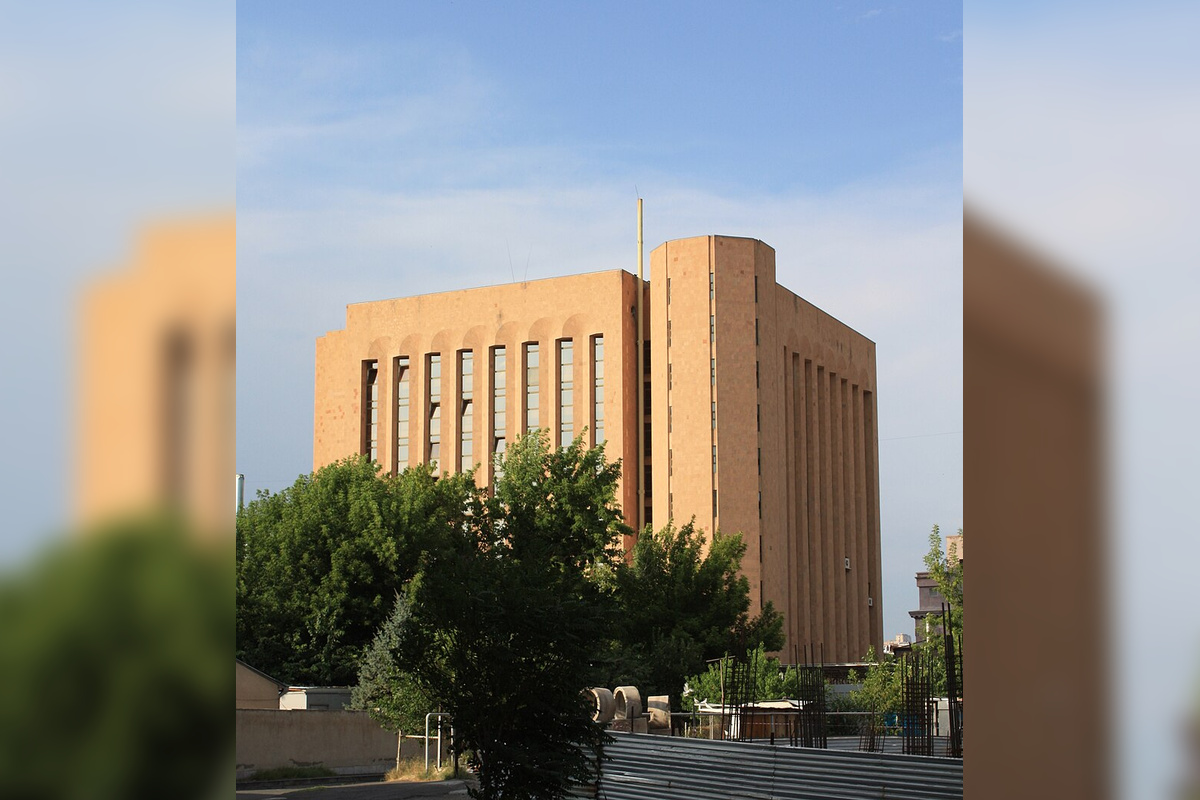
Meanwhile, Armenia’s Administrative Court of Appeal is expected to issue a ruling on Nov. 26 concerning the building housing the Permanent Representation of the Republic of Artsakh in Yerevan. The court is reviewing a lower court decision invalidating the state registration of the Republic of Artsakh’s ownership of the property.
Iran
On Nov. 20, Iranian Foreign Minister Abbas Araghchi said that Tehran remained committed to pursuing a diplomatic resolution to its war with the United States. Araghchi emphasized that Iran sought a lasting agreement that would prevent renewed military confrontation. Trump, however, maintained that the terms proposed by Tehran remained unacceptable to Washington.
On Nov. 21, Iranian Deputy Foreign Minister Kazem Gharibabadi confirmed that a Qatari delegation had visited Tehran as part of ongoing mediation efforts between Iran and the United States.
Despite diplomatic contacts, military tensions continued to escalate. On Nov. 21, Bahrain reported that an Iranian attack had struck a civilian industrial facility. Iran’s Islamic Revolutionary Guard Corps maintained that its operation had targeted American military positions. Saudi Arabia, Kuwait and Qatar subsequently condemned the attack.
On Nov. 22, Trump warned that the United States could resume strikes against Iran after the new year if diplomatic negotiations failed, while reiterating Washington’s determination to enforce its naval blockade of Iranian ports.
On Nov. 25, Iranian authorities reported that vessels had struck mines in the Strait of Hormuz. Tehran maintained that normal commercial navigation would not resume until its demands were met, including the lifting of the American naval blockade and an end to hostilities on all fronts.
In developments directly concerning Armenia, Mohammad Mokhber, a senior adviser to Iran’s supreme leader and former acting president, warned on Nov. 23 against attempts to establish transportation routes that bypass Iran’s strategic corridors.
Referring explicitly to TRIPP and the Strait of Hormuz, Mokhber maintained that Iran would not permit alternative routes to undermine its geopolitical interests, which he described as a red line.
Russia
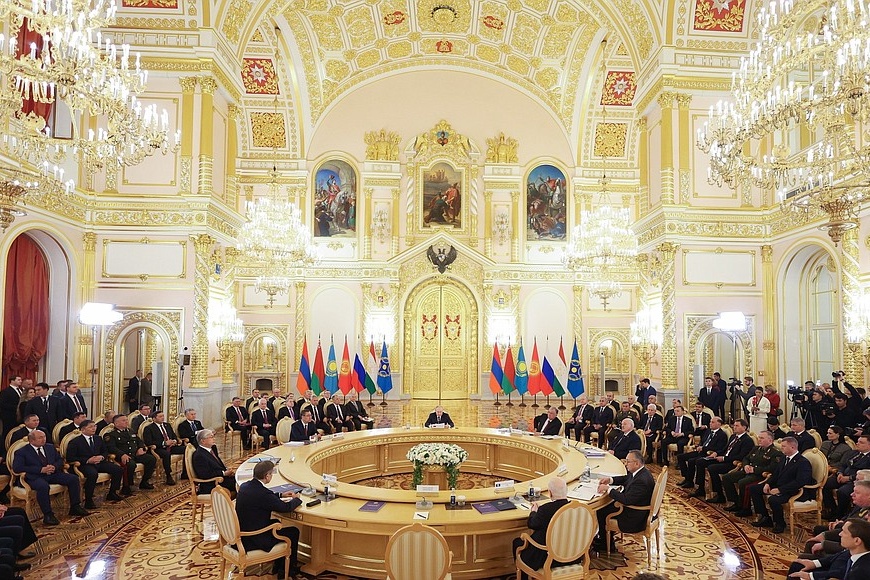
On Nov. 19, Pashinyan announced that a preliminary agreement had been reached for a working visit to Moscow on Dec. 3 and a meeting with Russian President Vladimir Putin. He also confirmed plans to participate in meetings of the Eurasian Economic Union (EAEU) and the Commonwealth of Independent States later in December.
On Nov. 20, Armenian President Vahagn Khachaturyan appointed career diplomat Samvel Mkrtchyan as Armenia’s ambassador to Russia.
On Nov. 24, Armenian Deputy Prime Minister Mher Grigoryan and his Russian counterpart Alexey Overchuk met in Moscow to discuss bilateral trade, economic and humanitarian cooperation. Grigoryan’s visit also included participation in a meeting of the Eurasian Economic Commission Council.
On Nov. 25, Kremlin spokesperson Dmitry Peskov confirmed that preparations for Pashinyan’s visit were underway, although Moscow had yet to formally announce its date and agenda. The upcoming discussions take place amid continuing disagreements over Armenia’s European integration ambitions and their compatibility with membership in the Russian-led EAEU.
Separately, on Nov. 24, Genetic Production announced that scheduled screenings of Monte, an Armenian film dedicated to National Hero of Armenia and Hero of Artsakh Monte Melkonian, had been canceled in several Russian cities following a reported ban imposed by Russian authorities.
The cancellations followed calls from several Azerbaijani media outlets for Russian authorities to prohibit screenings of the film. No direct connection between those calls and the Russian decision has been independently established.
Turkey
On Nov. 24, Turkish President Recep Tayyip Erdoğan addressed participants at the International Caucasus Congress organized by Iğdır University, emphasizing Turkey’s strategic alliance with Azerbaijan and the anticipated opening of what Ankara and Baku describe as the “Zangezur corridor.”
Erdoğan described the Azerbaijani flags flying in occupied Shushi, Varanda and Berdzor as a source of pride for Turkey. He also highlighted the 2021 Shushi Declaration, which elevated Turkish-Azerbaijani relations to the level of a formal alliance.
The Turkish president maintained that the proposed route through southern Armenia would strengthen transportation infrastructure connecting mainland Azerbaijan with Nakhichevan while expanding Turkey’s connectivity with the wider Turkic world.
In a separate address to the same conference, Azerbaijani President Ilham Aliyev described the route as an initiative advanced by Azerbaijan, emphasizing its anticipated role in establishing uninterrupted connectivity with Nakhichevan, expanding direct land transportation links with Turkey and strengthening the Middle Corridor.
The statements came one day after Armenia and the United States formally launched TRIPP’s practical phase. While Ankara and Baku continue to describe the initiative as the “Zangezur corridor,” the Armenian government maintains that the project will operate under Armenia’s sovereignty, territorial integrity and jurisdiction.