


The Region in Brief
Artsakh
On Nov. 9, Armenians marked the sixth anniversary of the trilateral ceasefire statement signed by Armenia, Azerbaijan and Russia, which ended the 44-day Artsakh war in 2020. The agreement provided for the deployment of Russian peacekeepers, the return of displaced persons and refugees, the exchange of prisoners and the maintenance of access between Armenia and Artsakh through the Lachin corridor. Six years later, the agreement’s humanitarian and security provisions remain the subject of renewed criticism following Azerbaijan’s September 2023 military offensive, the displacement of Artsakh’s Armenian population and Russia’s withdrawal of its peacekeeping contingent in 2024.
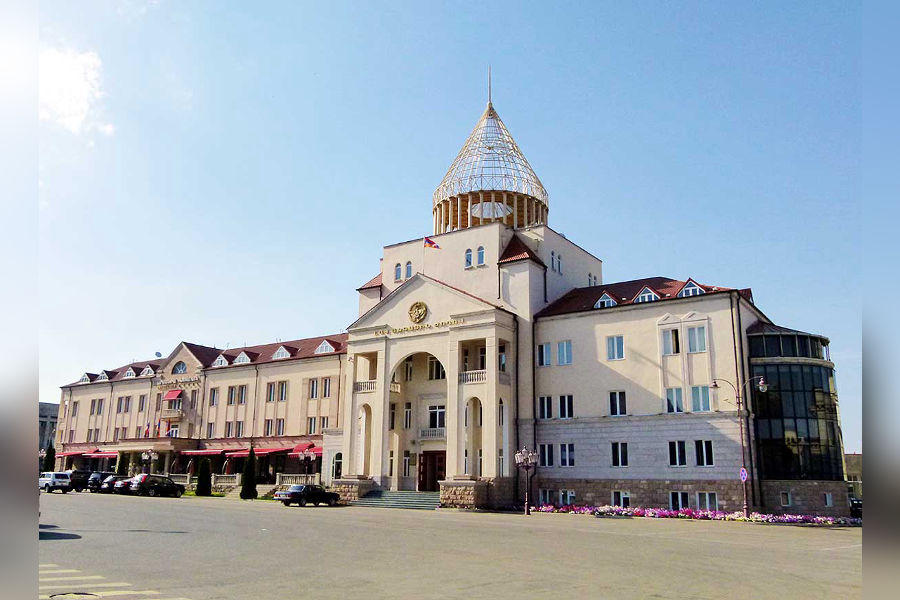
Marking the anniversary, the Artsakh Public Council sent open letters to the Armenian government and the Russian Embassy in Yerevan, demanding explanations for the failure to implement key provisions of the 2020 agreement. The council called on the Armenian authorities to clarify their commitments to securing the voluntary, safe and dignified return of displaced Artsakh Armenians, the release of Armenian prisoners held in Azerbaijan and the protection of Armenian cultural and religious heritage.
The council also demanded that these issues remain central to negotiations with Azerbaijan, arguing that the peace agreement initialed in Washington in August 2025 cannot replace guarantees for the rights of Artsakh’s displaced population. It called for representatives of the Artsakh Armenian community to participate directly in decisions concerning their future.
In a separate appeal to the Russian Embassy, the council questioned why Russian peacekeepers had failed to prevent the blockade of the Lachin corridor, Azerbaijan’s September 2023 offensive and the subsequent displacement of the Armenian population. It also requested an explanation of the legal and political grounds for Russia’s withdrawal in 2024, before the expiration of the peacekeepers’ initial five-year mandate.
Meanwhile, members of the opposition, political representatives of Artsakh and families visited Yerablur to commemorate Armenian service members killed during the war.

Armenia
Thirteen Armenian opposition political groups announced a joint initiative to coordinate efforts against the government’s proposed new constitution. The agreement followed a meeting at the residence of Strong Armenia founder Samvel Karapetyan, arrested earlier that day in connection with a new criminal investigation.
The participating groups included Strong Armenia, the Armenia Alliance, the Armenian Revolutionary Federation, the Republican Party of Armenia, the Armenian National Congress, Prosperous Armenia, Hayakve, Heritage and other opposition groups.
Despite their political differences, they agreed on four priorities: rejecting what they called an “Aliyev-imposed constitution,” achieving peace without unilateral concessions or territorial losses, protecting Armenian national identity and the Armenian Apostolic Church and restoring democratic freedoms and rights.
On Nov. 10, Justice Minister Srbuhi Galyan announced that more than 95% of the draft constitution had been discussed by the Constitutional Reforms Council and that the draft was expected to be published later in November.
Iran
Former Iranian Foreign Minister Ali Akbar Velayati issued a warning to Armenian Prime Minister Nikol Pashinyan over the proposed Trump Route for International Peace and Prosperity (TRIPP), which would connect mainland Azerbaijan with Nakhichevan through Armenia’s Syunik region.
Velayati accused Pashinyan of increasingly aligning Armenia with Western interests at the expense of regional security. He reiterated Tehran’s opposition to any corridor arrangement that could undermine Armenian sovereignty or threaten Iran’s access to the South Caucasus.
Velayati said he had personally communicated Iran’s objections to Armenian diplomatic representatives. Recalling a meeting with Armenia’s ambassador, he warned that if President Donald Trump and his allies attempted to cross Iran’s security red lines, Tehran would respond forcefully, using the phrase “we will break their legs.” He emphasized that Iran considers South Caucasus security a strategic responsibility, regardless of Russia’s involvement.
Meanwhile, the conflict between Iran and the United States has continued despite intensified diplomatic efforts. On Nov. 9, Iranian authorities reported renewed U.S. strikes on Qeshm Island in the Strait of Hormuz. Iranian officials said the attacks caused no damage to residential areas or critical infrastructure. Washington has characterized similar operations targeting Iranian radar and air defense installations as defensive measures.
Russia
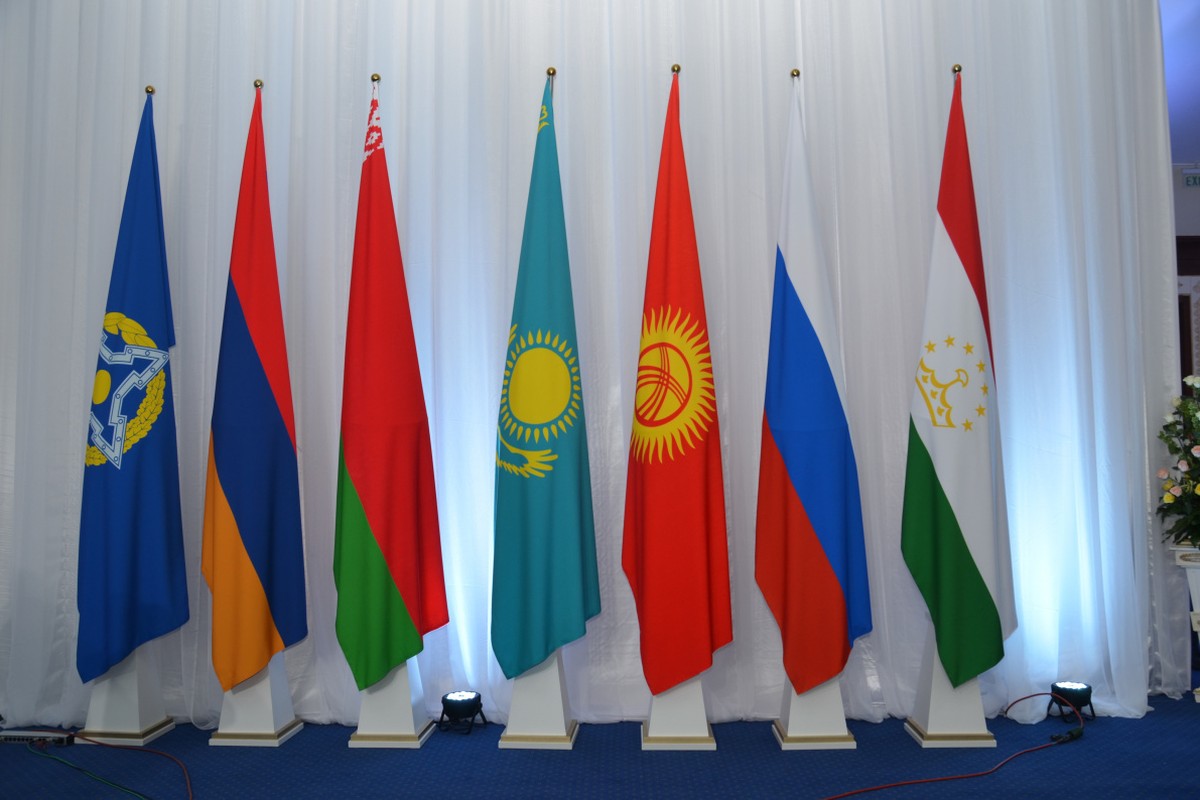
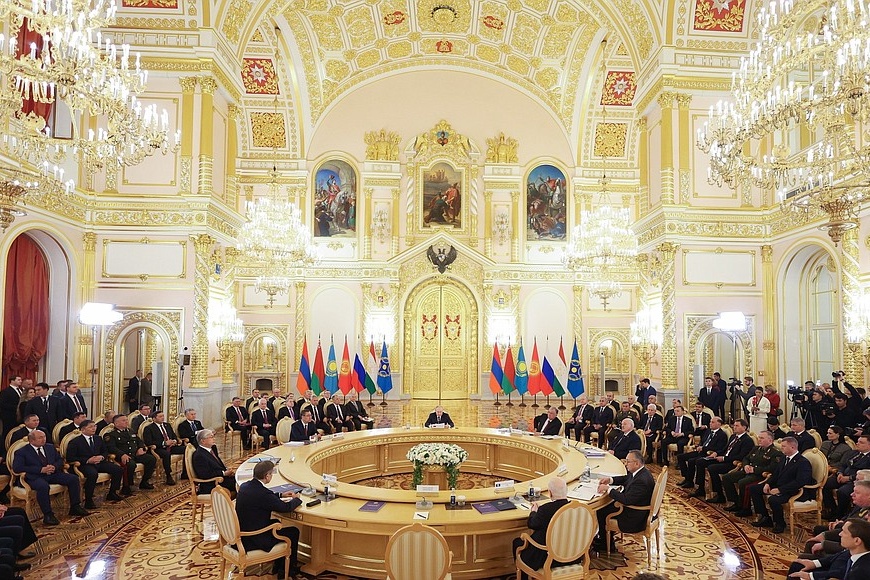
The Russian-led Collective Security Treaty Organization (CSTO) stripped Armenia of its voting rights and its ability to nominate representatives for senior positions within the alliance.
The decision was adopted at a CSTO summit in Moscow chaired by Russian President Vladimir Putin. Kremlin spokesperson Dmitry Peskov said Armenia had failed to fulfill its obligations to the organization for several years. Russian media reported that the restrictions were imposed under Article 25 of the CSTO charter because Armenia had not paid its membership dues for two consecutive years.
CSTO Secretary-General Taalatbek Masadykov said Armenia’s expulsion had not been discussed. Russian Foreign Minister Sergey Lavrov previously said that membership remained open to Armenia and that it would retain its collective security rights despite restrictions associated with unpaid contributions.
Armenia suspended its participation in CSTO activities in 2024, accusing the alliance of failing to fulfill its security commitments during confrontations with Azerbaijan. Prime Minister Nikol Pashinyan has since said that Armenia’s interest in the organization has effectively ended and that Yerevan does not intend to resume active participation.
Turkey
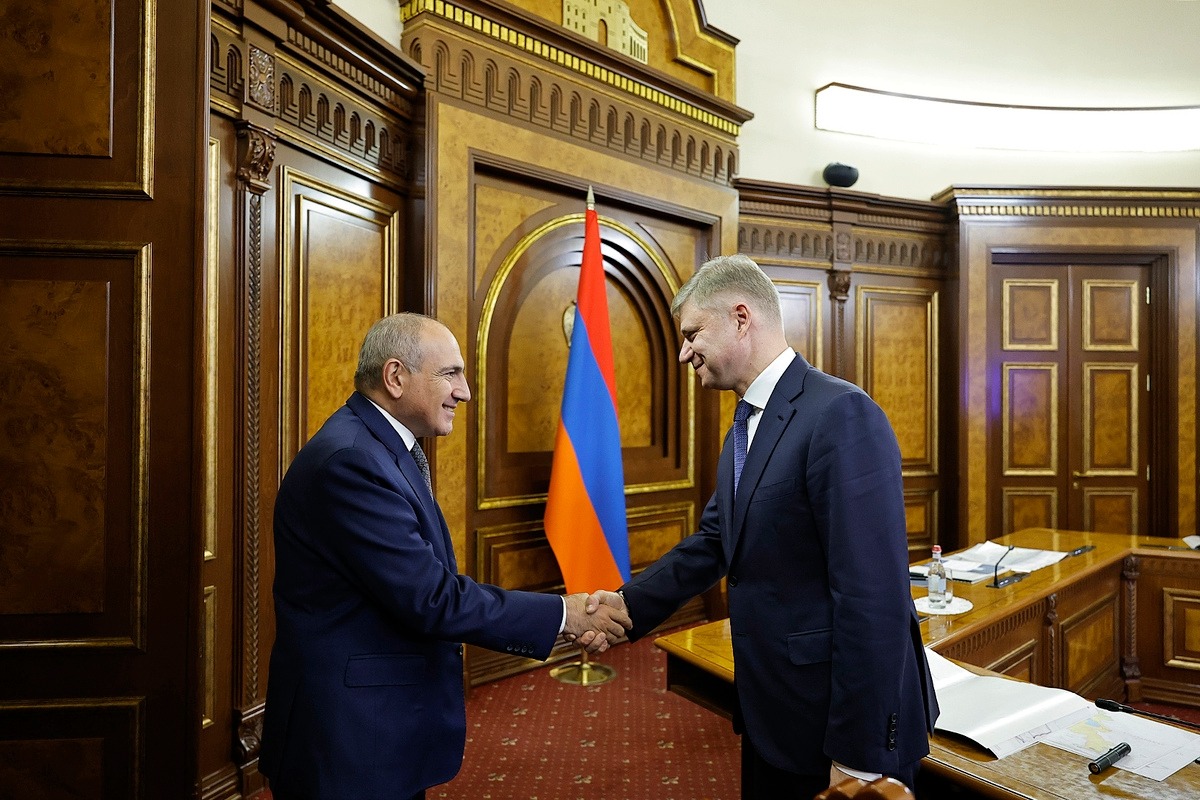
Turkish President Recep Tayyip Erdogan met Armenian Prime Minister Nikol Pashinyan on the sidelines of the COP31 Leaders’ Summit in Antalya, where they discussed the normalization of bilateral relations and developments in the South Caucasus.
According to the Armenian government’s statement, the two leaders emphasized the importance of advancing the normalization process and implementing earlier agreements. They also discussed opportunities to expand bilateral trade and economic cooperation.
Pashinyan and Erdogan addressed Armenia-Azerbaijan relations, expressing support for further regional cooperation following recent developments in the peace process. They also discussed reopening regional transportation links and steps toward implementing the Trump Route for International Peace and Prosperity (TRIPP).