


Empowering Artsakh women to thrive
From heritage to sustainable opportunity
For nearly a decade, the Artsakh Fund has stood alongside the people of Artsakh through some of the most difficult chapters in their recent history. Its work has evolved with the needs of the community, from humanitarian assistance and family support to economic development, agriculture, education, and infrastructure. Today, following the forced displacement of Artsakh’s Armenian population, that mission has entered a new and urgent phase: helping women rebuild not simply as recipients of assistance, but as skilled professionals, entrepreneurs and earners capable of shaping their own futures.
From relief to resilience
Before the 2020 war, Artsakh was a living Armenian community of families, farmers, businesses, students and cultural institutions. Supporting Artsakh therefore meant more than responding to emergencies; it meant investing in the ability of its people to build sustainable lives in their homeland.
Following the 2020 war, the needs became dramatically more urgent. Families faced loss, displacement, damaged livelihoods and the long-term consequences of conflict. The Artsakh Fund continued providing humanitarian and development assistance while supporting projects intended to strengthen families and communities.
Then came the blockade and, in September 2023, the forced displacement of virtually the entire Armenian population of Artsakh. More than 120,000 people arrived in Armenia in a matter of days, leaving behind homes, businesses, farms, possessions, workplaces and communities. Women were among those carrying the enormous responsibility of rebuilding family life under entirely new circumstances.
The nature of the challenge had changed. The question was no longer simply, How do we help people survive this crisis? It became, How do we help them build sustainable lives after losing nearly everything?
Empowering women through heritage and opportunity
Humanitarian assistance is essential during a crisis, but it is temporary by design. Long-term independence requires marketable skills, employment, reliable income and opportunities to create businesses that can grow.
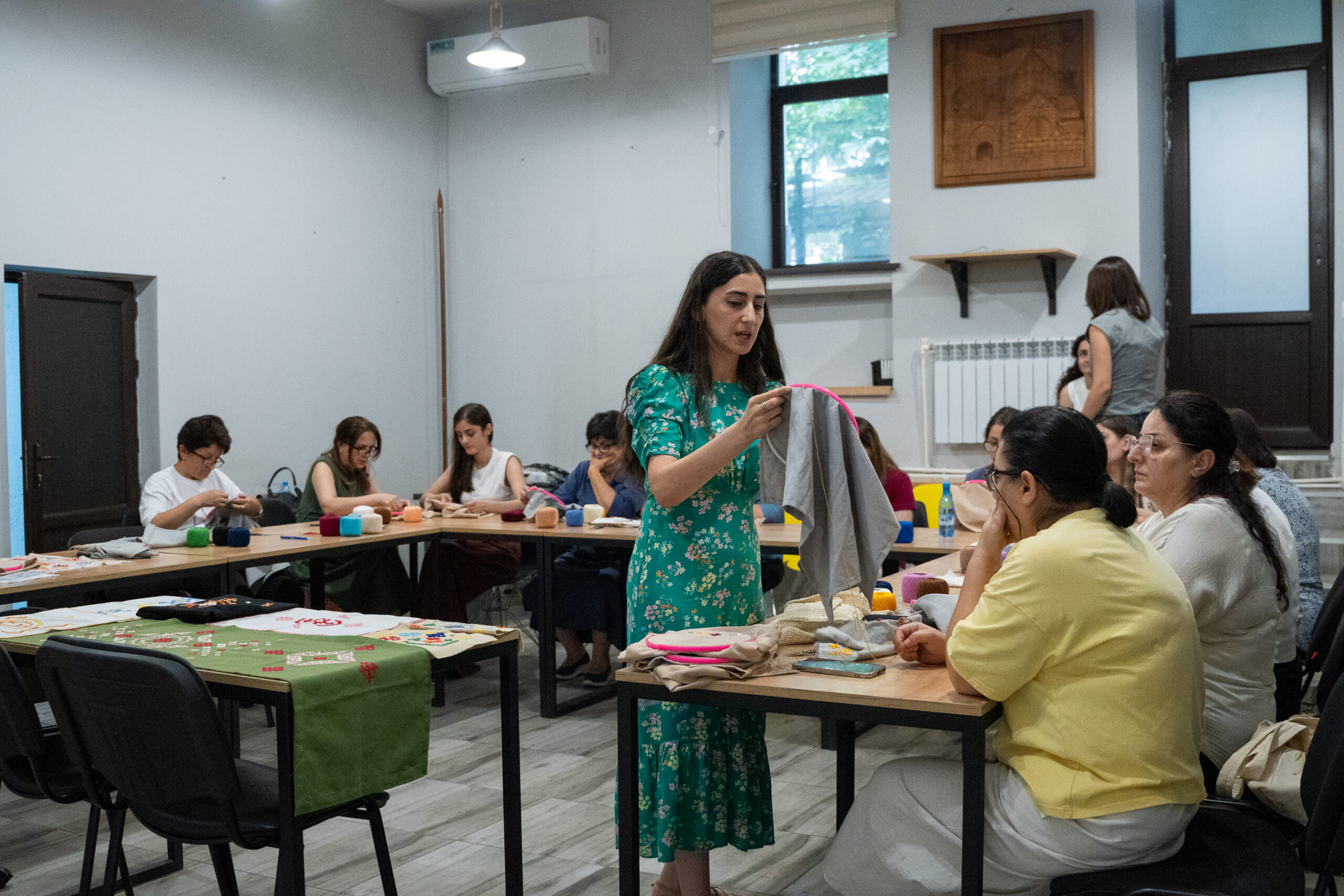
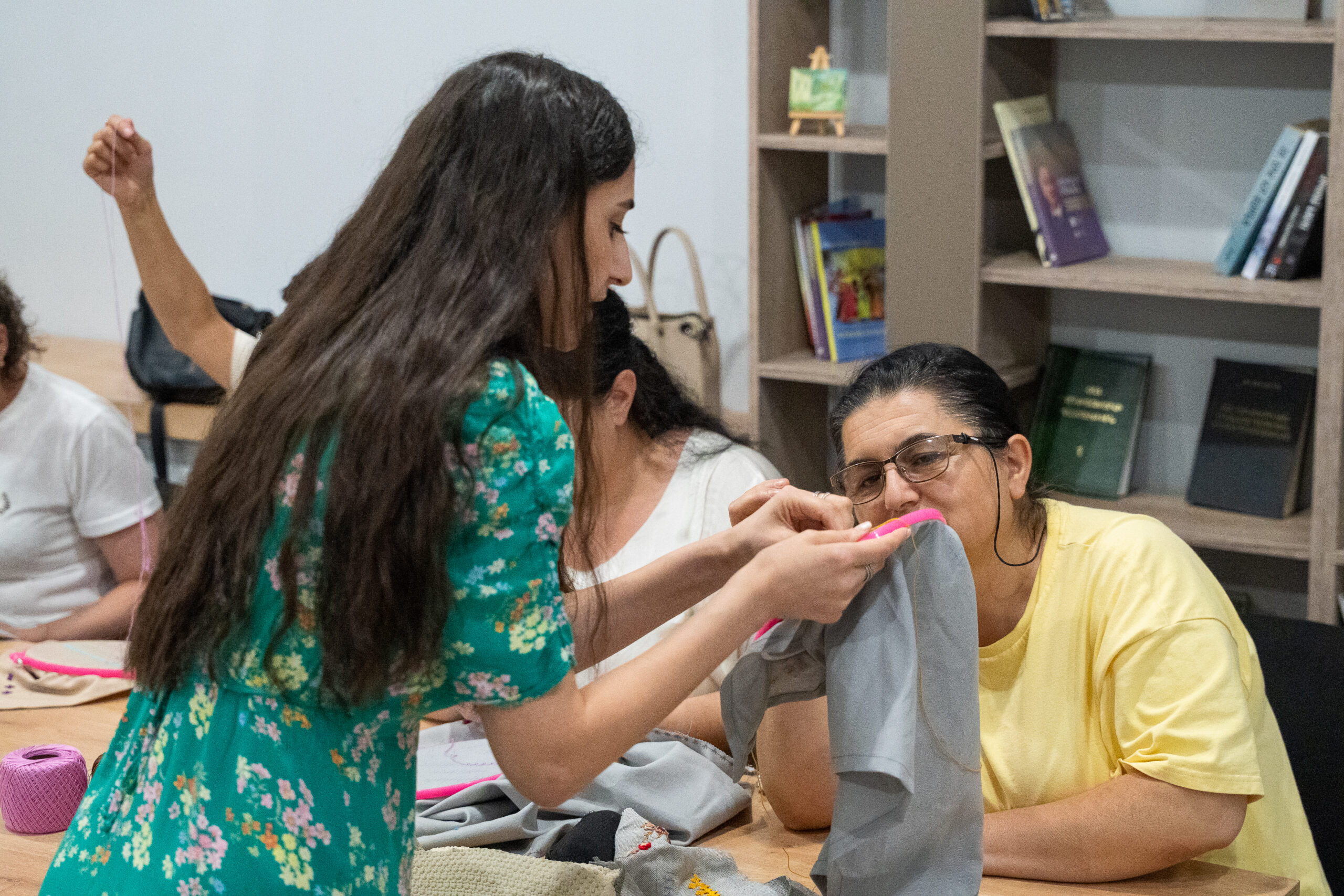
This is the philosophy behind the Help Artsakh Women Rebuild Initiative, which provides displaced women with practical vocational skills while preserving and advancing Armenian cultural traditions.
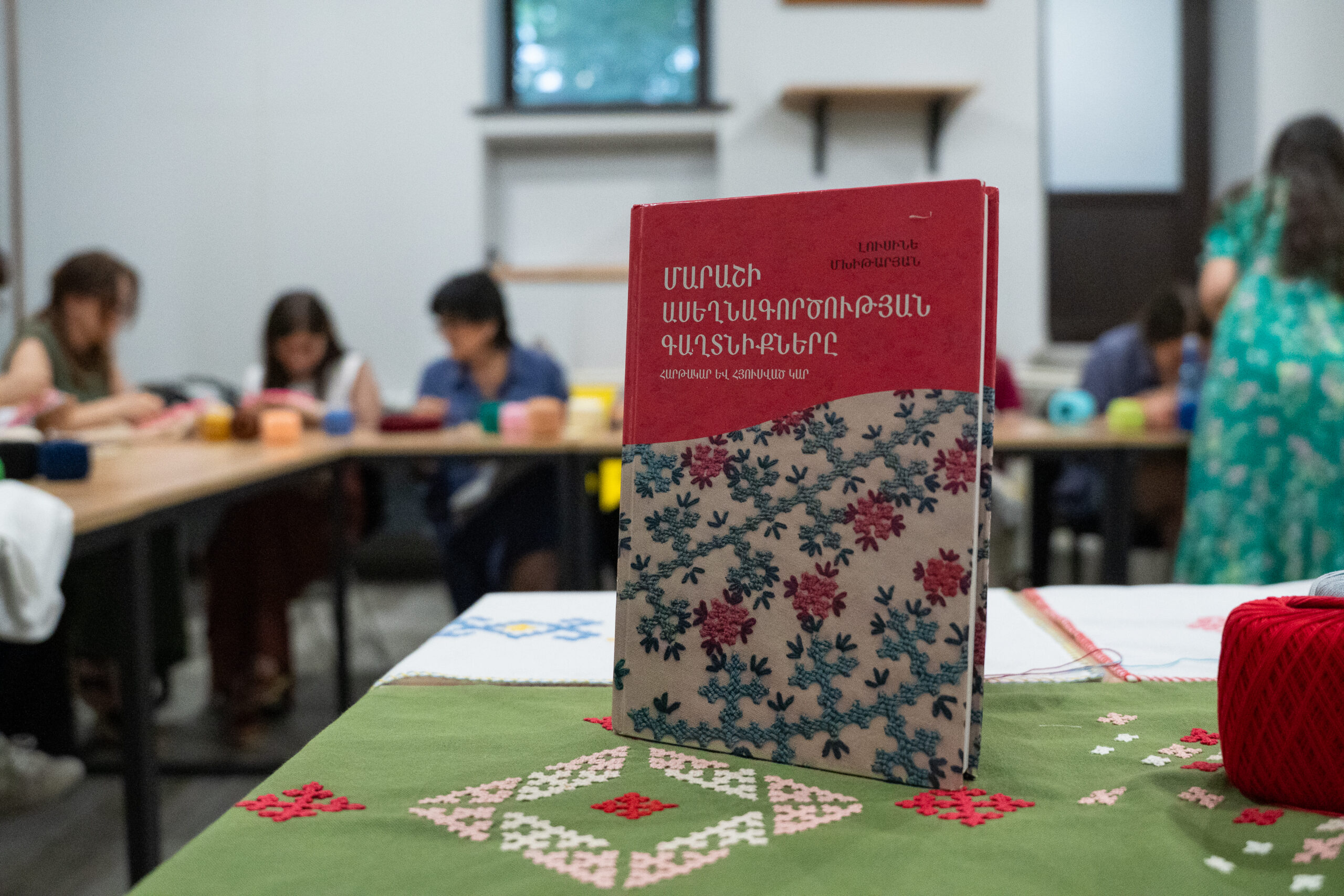
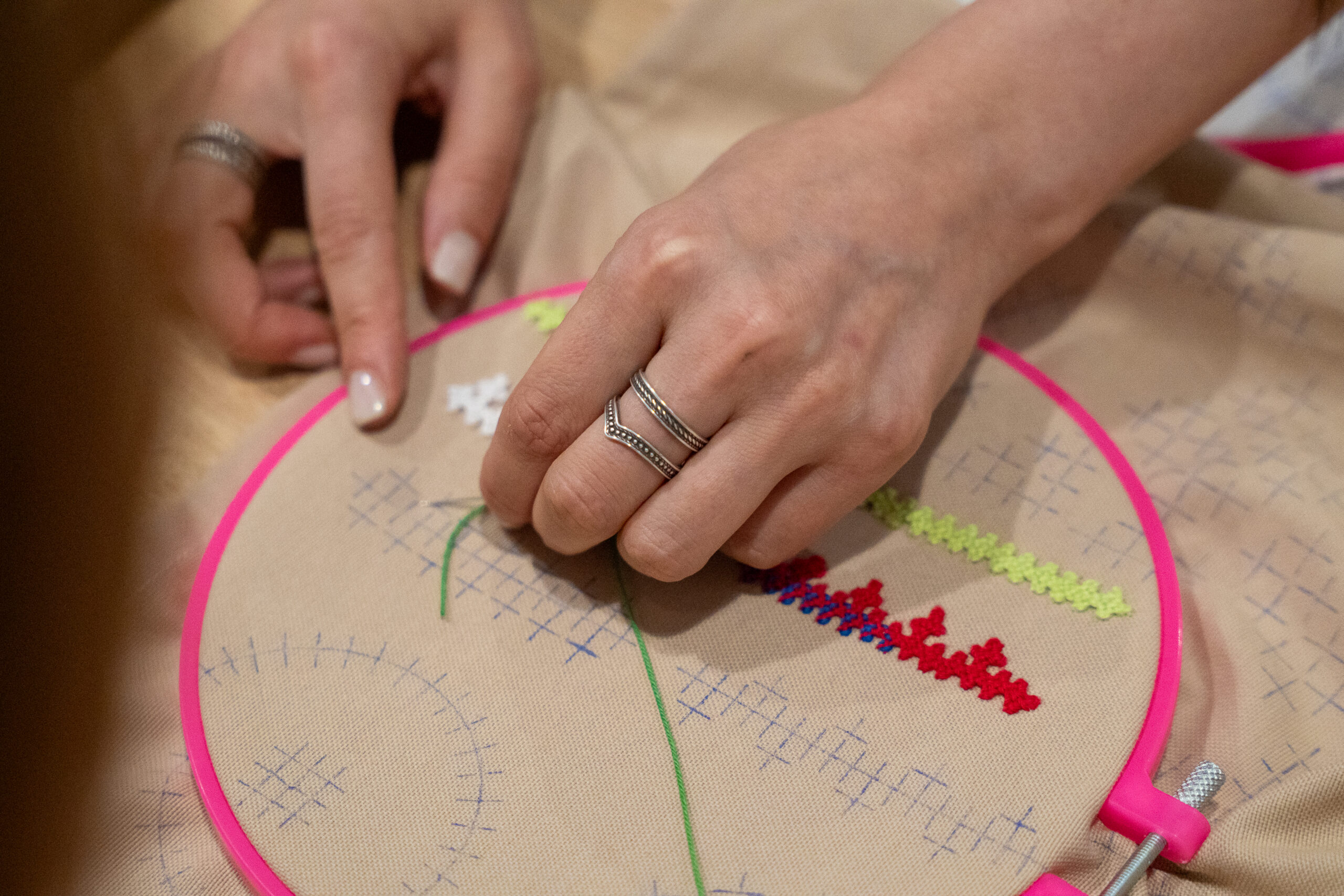
The program focuses on two interconnected disciplines: Marash embroidery and traditional carpet weaving.
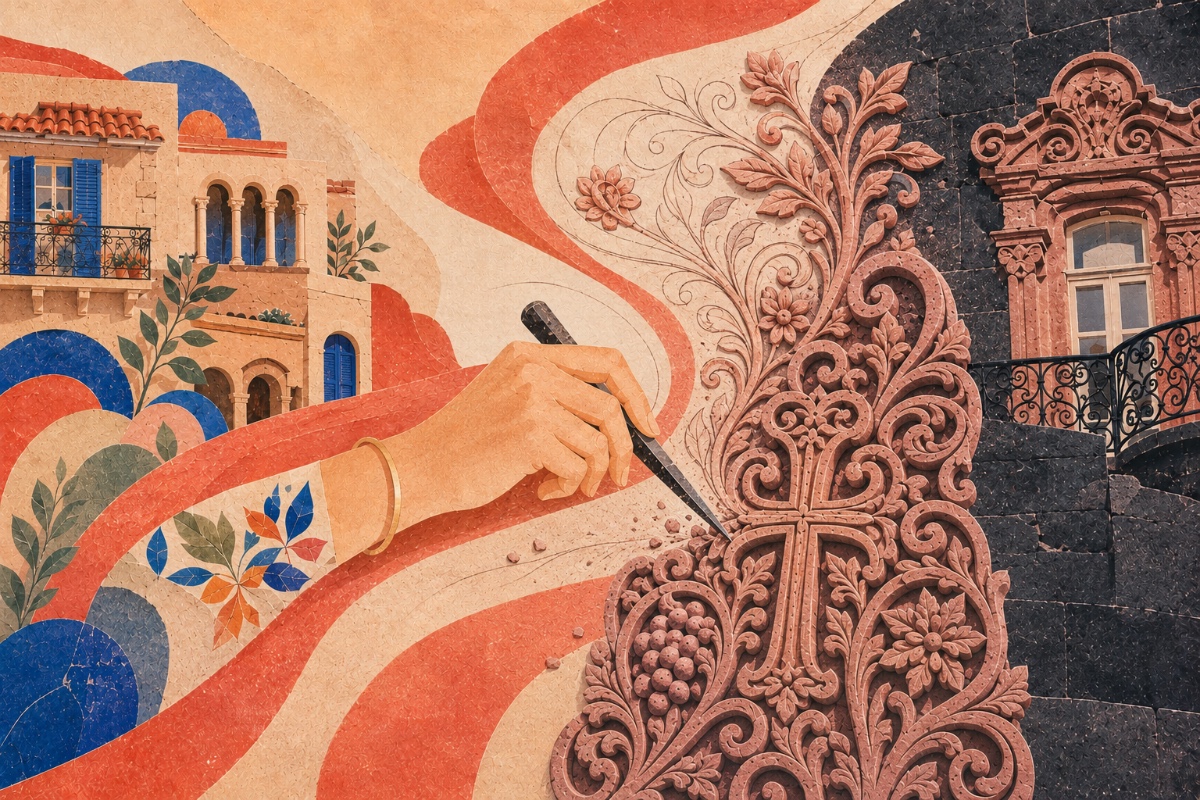
These are not simply crafts. They represent generations of Armenian cultural knowledge, expressed through distinctive patterns, techniques, symbolism and stories. Artsakh itself has a particularly rich rug-weaving heritage, with historical examples reflecting the region’s distinctive place in Armenian carpet-making traditions.
By teaching these skills to displaced Artsakh women, the program creates a bridge between heritage and livelihood. The goal is not simply to preserve tradition, but to keep it alive by placing it in the hands of a new generation and connecting that knowledge to a viable marketplace.
Skills that become opportunity
The training program goes beyond an introductory arts-and-crafts workshop. Participants receive hands-on instruction designed to develop the technical ability needed to produce high-quality finished pieces and the foundation for turning those skills into income.
That distinction matters. Learning a craft without access to customers, markets, professional networks or employment may provide a skill without providing economic independence. The Artsakh Fund’s approach connects training to real economic opportunity.
The market for Armenian handmade goods extends beyond Armenia, reaching diaspora communities, collectors, interior designers, cultural institutions, specialty retailers and individuals seeking authentic handmade pieces with a meaningful cultural story. High-quality traditional craftsmanship can compete in this market because it offers something mass-produced goods cannot: authenticity, artistry, cultural identity and human skill.
The program’s connection to established industry is an important part of this model. Artsakh Carpet Company has committed to hiring three graduates as professional rug weavers at the conclusion of the training program. This creates a direct pathway from training to employment and demonstrates that these skills respond to an actual demand for skilled artisans.
Entrepreneurship as a path to independence
Displacement has taken away many of the structures that once provided Artsakh families with stability — homes, land, businesses, professional networks and familiar sources of employment. For women rebuilding in Armenia, developing an independent source of income can be a critical step toward restoring that stability.
This is why the Artsakh Fund sees competitive entrepreneurship as a powerful tool for sustainable recovery. Competition encourages quality and innovation, while markets create opportunities for people to turn their skills into lasting income. Successful businesses can eventually create opportunities for others, multiplying the impact of the original investment.
The goal is therefore not simply to provide assistance to women, but to equip them with something that can continue generating value long after a training program ends: a profession, an income and the potential to build something of their own.
Heritage as a foundation for the future
For displaced Artsakh Armenians, cultural heritage is deeply personal. Losing a homeland meant losing access to homes, churches, landscapes, family properties, communities and places that carried generations of collective memory.
Craft can become one way of carrying that memory forward.
Every embroidered motif and woven pattern can preserve a connection to Armenian history. Every woman who learns and practices these skills becomes part of a chain of transmission stretching backward through generations and forward into the future.
There is also a historical precedent for connecting Armenian craftsmanship with economic empowerment. Rug-making and textile work have long provided Armenian women with marketable skills and sources of income. Today, the Artsakh Fund is adapting that tradition to a new generation facing a very different set of circumstances.
Investing in women means investing in communities
When a displaced woman gains a sustainable source of income, the impact extends beyond her. Her earnings can support children, contribute to household expenses and strengthen the economic stability of her family. As women build professional networks and businesses, they can eventually create opportunities for other displaced people as well.
One trained artisan can become a professional.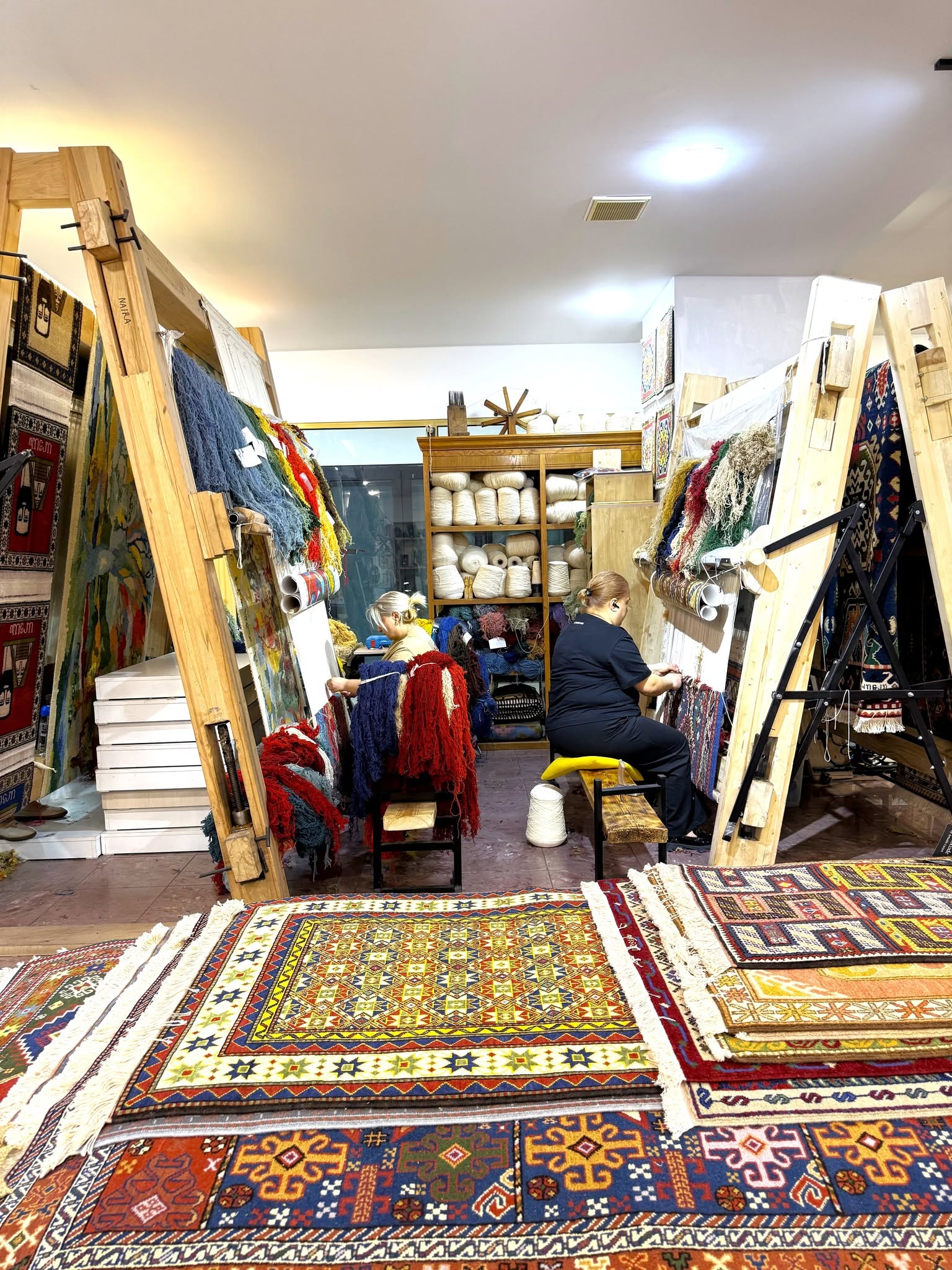
One successful entrepreneur can become an employer.
One preserved craft can become an economic asset for a new generation.
This multiplier effect is central to the Artsakh Fund’s approach: investing in skills and opportunity today so that women can generate value for their families and communities tomorrow.
From loss to possibility
The women participating in this initiative have experienced extraordinary loss. Many have lost homes, livelihoods, businesses and loved ones. The purpose of this program is not to minimize that loss, but to recognize that rebuilding requires more than remembrance.
It requires opportunity.
The Artsakh Fund wants these women to be able to look toward the future with the confidence that comes from having something of their own: a skill, a profession, an income, a customer, a workplace or eventually a business.
That is the difference between short-term relief and sustainable empowerment.
The women of Artsakh have already demonstrated extraordinary resilience. The next chapter should not be defined only by what they endured or what they lost, but by what they are capable of building.
For more information on how to support these training programs, go to https://givebutter.com/artsakhwomen and donate today.