

The holidays in Glendale: The (other) Little Armenia
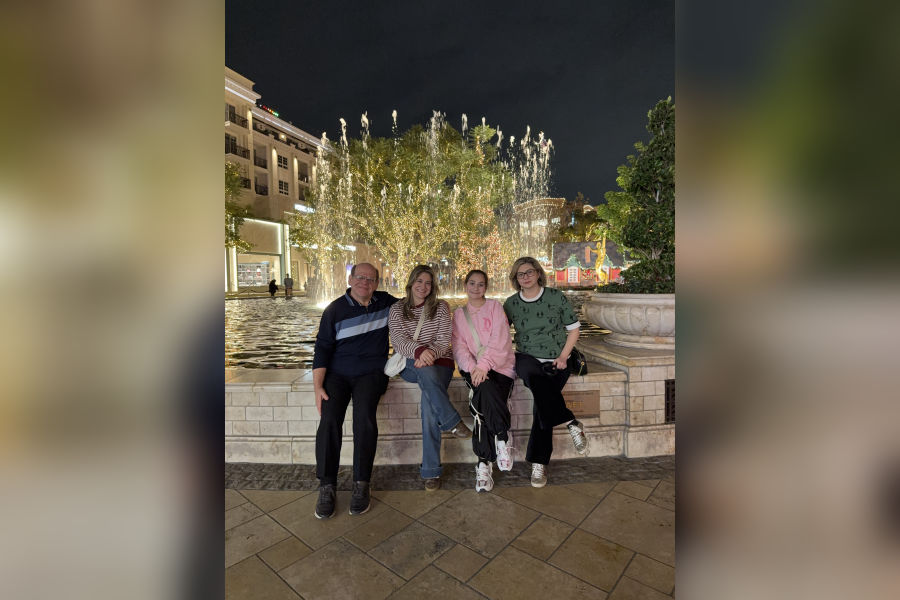
This holiday season, I found myself in Glendale, California — often considered the unofficial Little Armenia (not to be confused with the historic enclave in East Hollywood).
I was born in Hollywood and lived there for a while before moving to Philadelphia. This return was surprising in an unexpected way: what stood out most wasn’t the food or the shopping, but how alive Armenian language, culture and community still feel here.
Between Disney trips and In-N-Out runs, I revisited the places you’re almost guaranteed to find Armenians and jotted down notes along the way. Below are a few of those spots (in no particular ranking order), along with some must-see destinations for your next trip to Glendale — because why wouldn’t you go?
Ararat
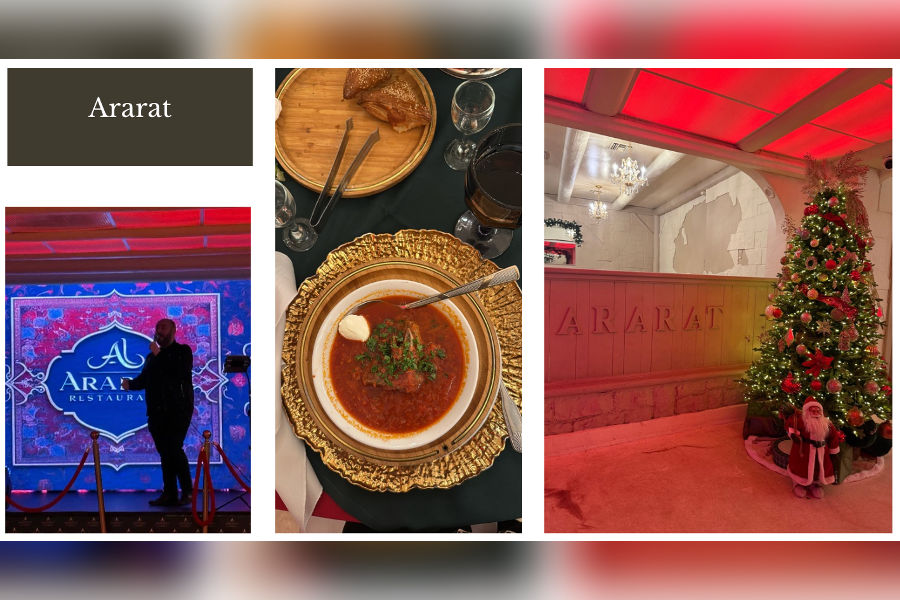
Ararat is one of those places that reminds you why Armenian nights out are an experience, not just a meal. We went on a slower weekday, but the energy never dipped. People still got up to dance, tables clapped along to the music and the room stayed alive thanks to performances by Anna Gukasian and Roman Mirzakhanyan. Their voices carried the space effortlessly and set the tone for the evening.
The spicy avocado salad was an unexpected standout: fresh, flavorful and the perfect way to wake up the palate before my borscht arrived. The borscht itself was rich without being heavy and thoughtfully plated. Between the quality of the food, the live music and the surprisingly reasonable prices, Ararat delivers across the board. It’s the kind of place where time stretches out, and you don’t feel rushed to leave.
AKKAD Mediterranean & Iraqi Grill
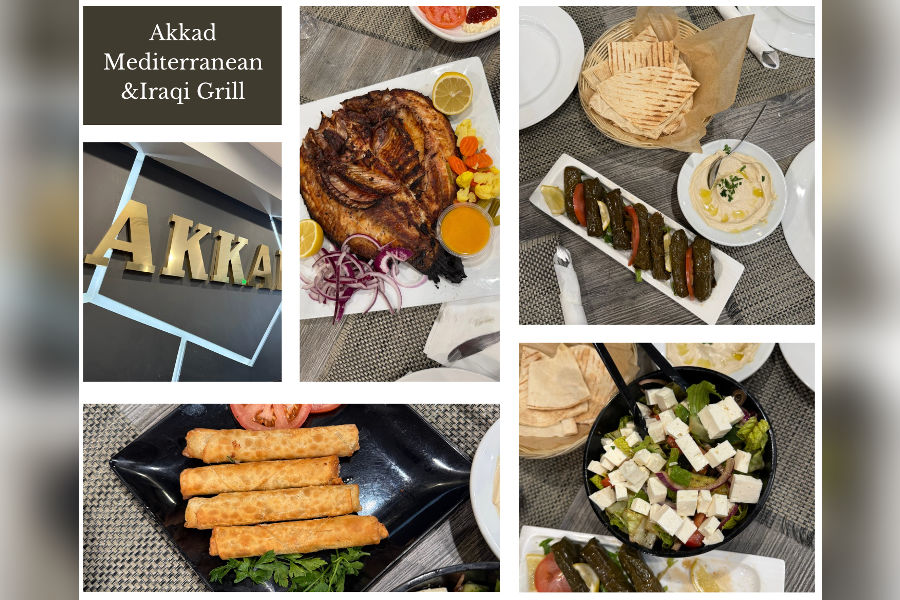
Akkad feels personal the moment you walk in. Owner Aram Armenak channels his Armenian-Iraqi heritage into every detail of the restaurant, from the name — borrowed from an ancient lost city in Iraq — to the menu itself. Originally opened as Massif in 2015 with chef-partner Margos Margos, Akkad carries history, memory and migration on every plate.
The masgouf (grilled carp, considered Iraq’s national dish) was easily one of the best I’ve had — perfectly seasoned, tender and grilled just right. It’s among the best I’ve had on the West Coast. The kebab was equally impressive: juicy and well-balanced without overpowering spices. Just as memorable was the atmosphere: every waiter I encountered spoke Armenian and Arabic, and the space felt clean, cozy and familial. Akkad doesn’t try too hard; it simply is.
The Americana at Brand and Glendale Galleria
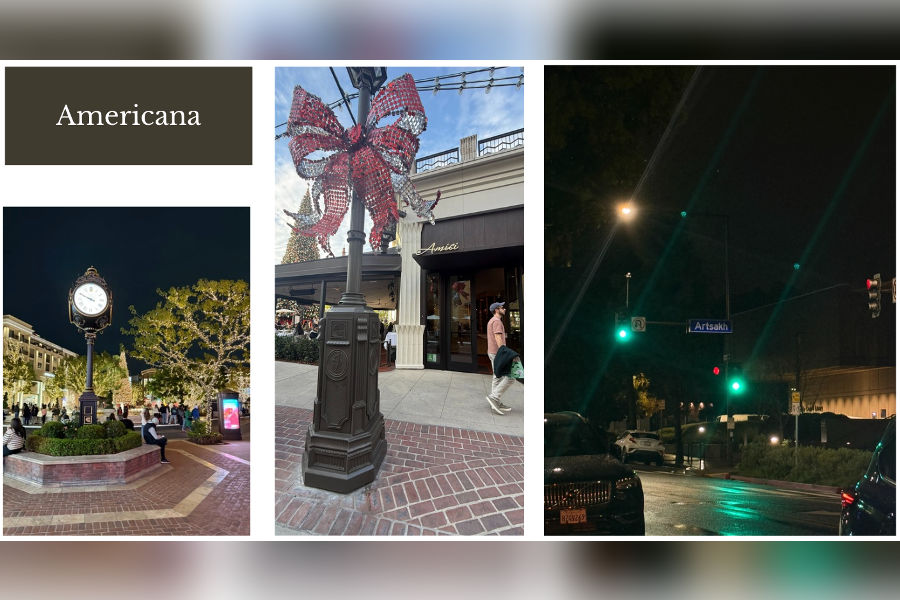
Walking through the Americana at Brand and the Glendale Galleria felt different this time. Armenian was spoken openly and frequently. While shopping with my family and speaking Armenian, store employees would sometimes join the conversation.
At the same time, the space feels less approachable than it once did. With more luxury brands moving in, there’s a subtle shift in tone that makes it feel less like a community hub and more like a polished destination. Still, hearing Armenian echo through high-end storefronts felt like a quiet reclaiming of space: proof that our language and identity persist, even as our surroundings change.
La La Land
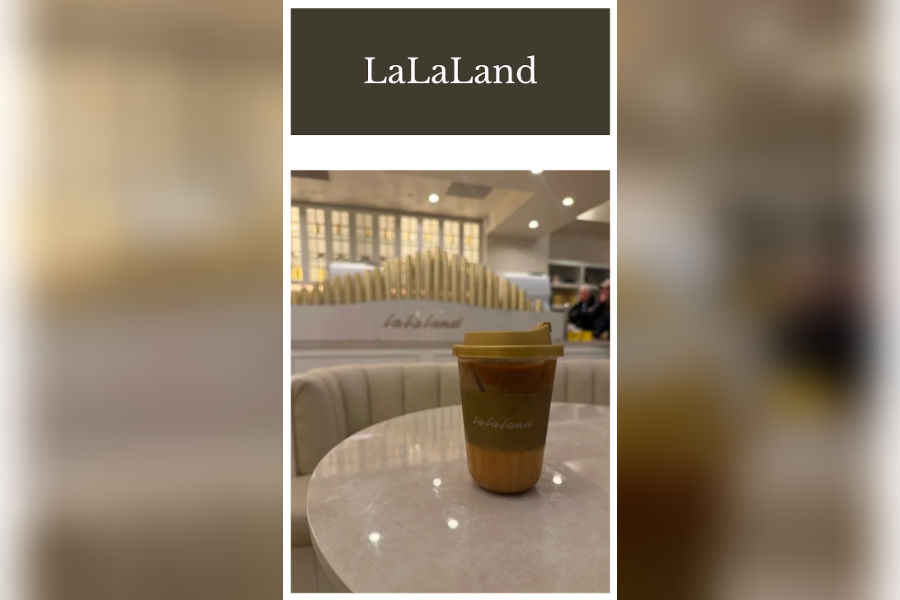
After wandering the Americana for a while, I started noticing a pattern: every Armenian-looking person seemed to be holding the same matcha in the same bright yellow cup. Naturally, I followed the trail and ended up at La La Land.
The line was massive, and by the time I reached the counter, they had already run out of matcha. I opted for an iced upside-down latte instead. It was a bit too sweet for my liking, and definitely nothing like an Armenian soorj, but that wasn’t really the point. La La Land’s mission is what makes it special: the company hires and mentors young adults who are aging out of the foster care system. The iconic yellow cups are meant to symbolize “happy moments,” and even if the drink wasn’t my favorite, the purpose behind it left a lasting impression.
Art’s Bakery & Cafe

Art’s Bakery & Cafe is the definition of charming. The line was long, but once inside, it was clear why. The pastries were delicate, thoughtfully crafted and almost too pretty to eat. Everything felt intentional, from presentation to flavor.
The mini cakes featured fluffy, light layers filled with smooth, creamy mousse, accented by vibrant colors. Despite its popularity and prime location, prices were reasonable, which made it even more appealing. It’s the kind of place you stop into “just to look” and end up leaving with a box in hand.
N Café
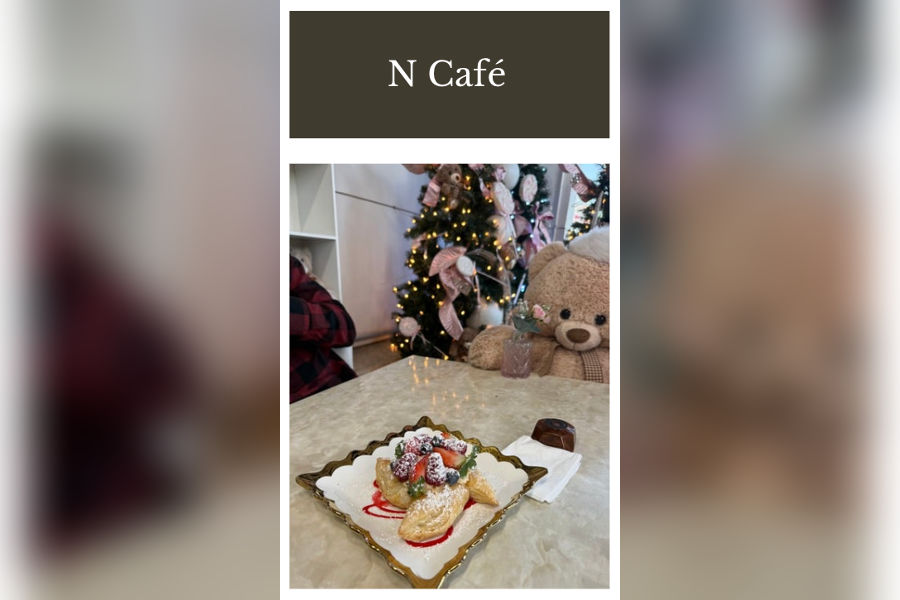
N Café is tucked away inside a small supermarket and filled with cute bear decor, making it a fun spot for photos. It’s Armenian-owned, and serves soorj. While the prices are on the higher end, it’s a charming place to check out for the aesthetic.
Ararat Plaza
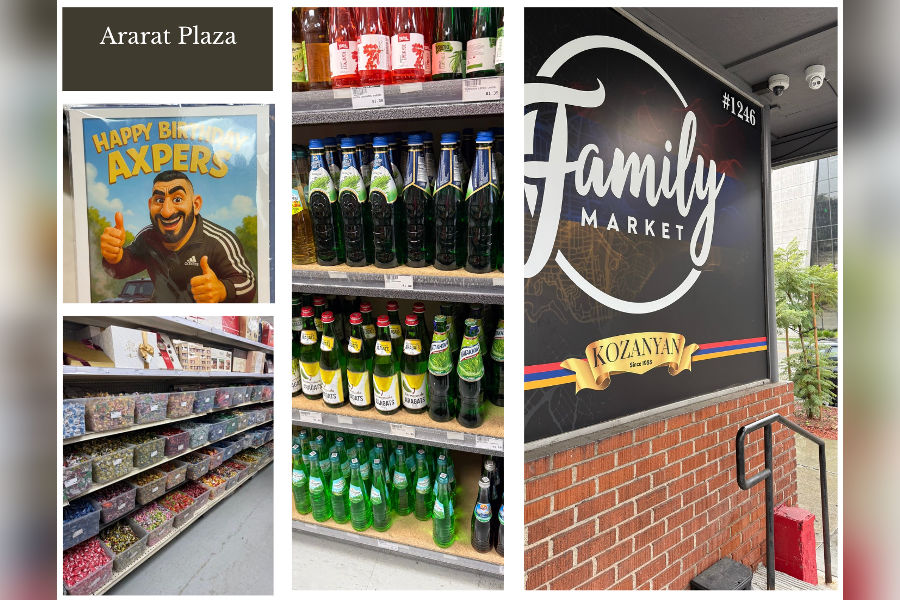
Ararat Plaza felt like a time capsule in the best way. There’s so much happening in one space — great shops, fair prices and an unmistakably Armenian rhythm throughout. A&A Discount remains a one-stop shop for, obviously, discounted goods, while A&A Grocery and Deli and Kozanyan offer excellent Armenian and Slavic foods.
I visited New Year’s Eve and was greeted by lively Armenian music, families shopping together and a warmth that’s hard to replicate elsewhere. I’ve been collecting books from this plaza since I was young, and on this visit, I found them in the exact same spot — on the same shelf — and added two more to my growing collection.
SirQochar
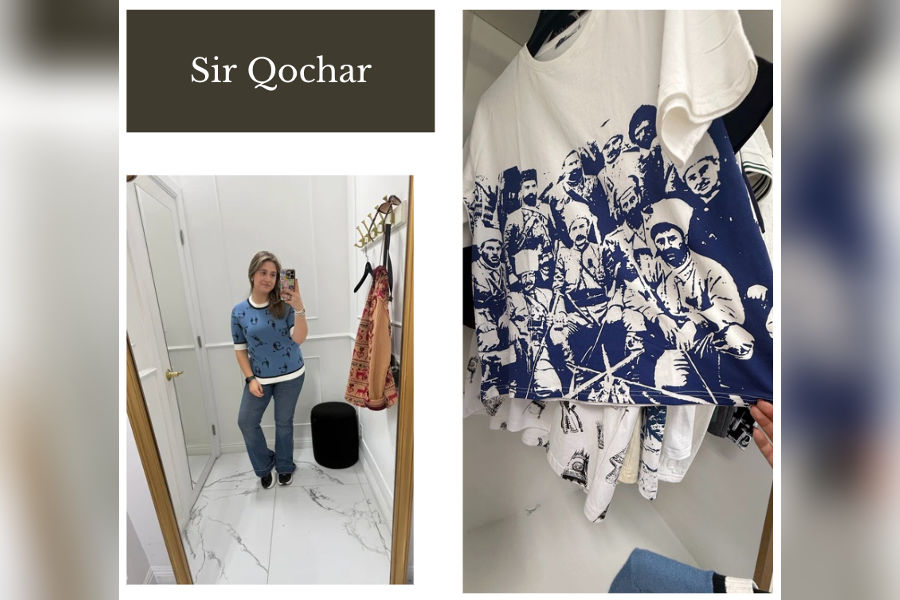
Founded by an Armenian designer, SirQochar bridges history and modern lifestyle through fashion. Inspired by the Armenian alphabet, the brand aims to preserve and spread Armenian cultural heritage through thoughtfully designed clothing and accessories, both in Armenia and across the diaspora.
I had seen SirQochar worn by plenty of Armenians in Philadelphia, so visiting the store felt like a necessity. The pieces were stylish, unique and undeniably Armenian, with the alphabet featured throughout. I left with a few items of my own. The prices are on the higher side, but understandable given the craftsmanship, shipping and intentionality behind each item. And of course, standing outside the store were the Los Angeles Armenian boys in their natural habitat: all black; no exceptions.
Conclusion
For me, California has changed so much — and yet, it feels more like Little Armenia than ever.
Perhaps the most pivotal moment of this trip was visiting the grave of my great-grandmother, Anoush Shashoian, who always told me to keep soaring, seize every opportunity and look to the stars.
Her grace, care and kindness continue to guide my work within the Armenian community, and her legacy lives on through this column, Anoush Dzayn.