


Forging a heroine: Adventures of Tsovinar brings Armenian myth to gaming
It was during an Armenian literature class in Gyumri that Nare Tovmasyan first encountered Tsovinar—literally.
Tsovinar was bright, powerful and fearless. Nare was a teenager, still navigating life’s challenges but already captivated by online games. The Armenian epic Sasna Tsrer (Daredevils of Sassoun) left such an impression that its heroine would later become the central character of Nare’s own game.
“I realized that many of the games I had played followed a very similar logic,” Nare told the Weekly.
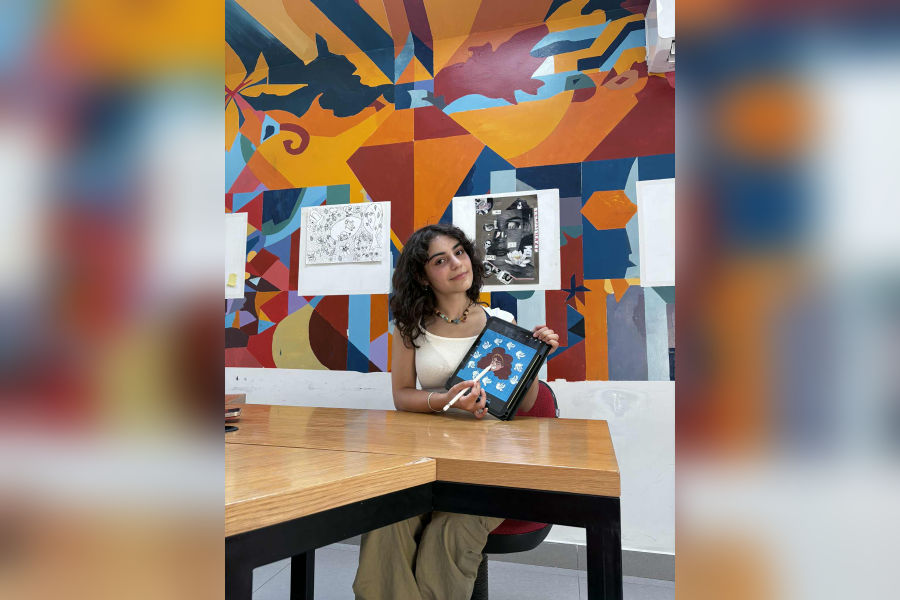
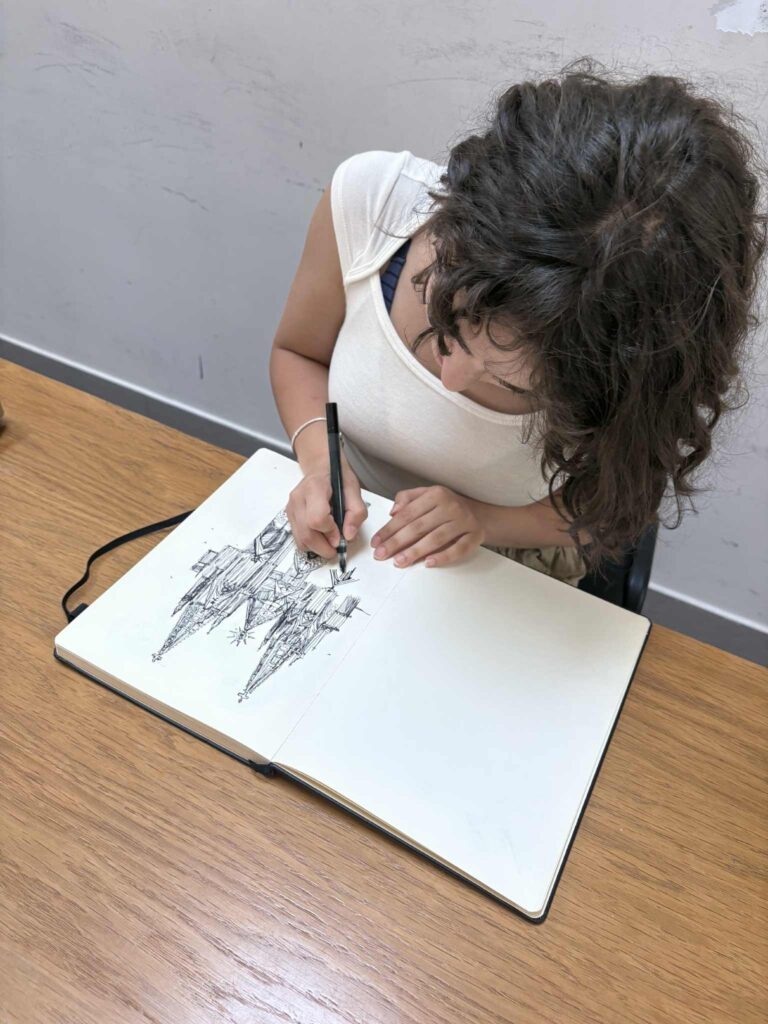
I met Nare in Gyumri, the city where she was born. At just 16, she seemed older than her years. She grew up in a creative household: her mother was a painter, her father an actor. Unlike most of her peers, Nare explored the world through art.
“With pencil and pen, I was creating what I saw around me. But the turning point came at 7, when I discovered the world of games,” she said.


In her conservative environment, admitting a love of gaming was difficult.
“No other girl was playing games,” Nare explained. “It was considered a boy’s world.” Yet, she dreamed of creating her own online game, even when it felt impossible. Her family did not understand, and almost everyone told her that games were about aggression. Still, she promised herself that she would one day prove them wrong.

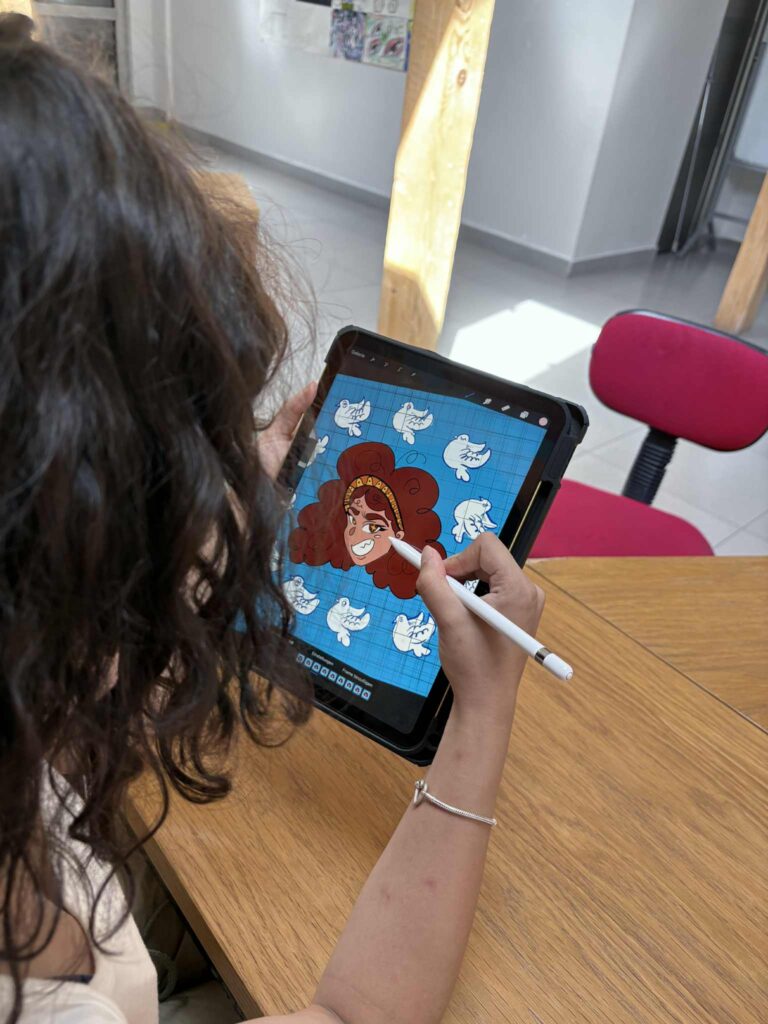
For Nare, gaming was never just about play. Games combined storytelling, art and mathematics—elements that began working together in harmony.
Everything clicked in ninth grade, when her teacher recounted Tsovinar’s story. Nare saw the epic as a perfect blueprint for a game. Its narrative naturally lent itself to mechanics that could excite players while honoring the original text.
Tsovinar, wise and free, became Nare’s inspiration. At 14, she vowed that no matter where she was born—or the perception that games were “a male hobby”—she would not give up.
“Why Tsovinar? Because almost every game’s hero was a man. I wanted a woman to be the hero,” she said.
“Tsovinar lived centuries ago, when Armenia was under Arab Caliphate rule, yet she fought against stereotypes for freedom and justice,” Nare added. “That inspired me. I thought, ‘I have to show her strength.’”
In Adventures of Tsovinar, the heroine is given a second life. She faces challenges alone, overcoming the same trials depicted in the epic.
“For me, it is important that Tsovinar—and our epics in general—are recognized worldwide,” Nare said. “Until now, most games about war or epic stories have been told through the eyes of a male character—never a girl or woman.”
Creating the game was complex: designing and modeling the world, building characters and their psychology—the subtleties that make a game immersive.
“The hardest part was staying true to history while ensuring that players were not misinformed about real events,” Nare explained.
After three years of work, Adventures of Tsovinar has been showcased in Armenia, Switzerland and Belgium. A Swiss game creator told her, “These are not just projects. They are new worlds; bridges that connect cultures and countries.”

Nare is now developing her next project: a game about the Armenian Genocide. Players will experience the story through the eyes of a teenage girl or boy, confronting the psychological struggles and terrifying atmosphere of the time. Nare anticipates criticism.
“This is just another creative way—like literature or art—to show what Armenians endured and explore our emotions, our genetic memory, the fears that remain in our DNA after the genocide,” she said.
Since childhood, Nare has dreamed of becoming an animator. Today, she hopes to study game design at a university in Germany.
I left Nare in colorful Gyumri, believing that her inspiration, Tsovinar, will guide her throughout life. Gyumri is vibrant because of people like her—those who are unafraid to think, create and dream big.
All photos by Knarik Ghazaryan