


Art against violence
A Martuni-based artist helps raise questions that still exist in our society
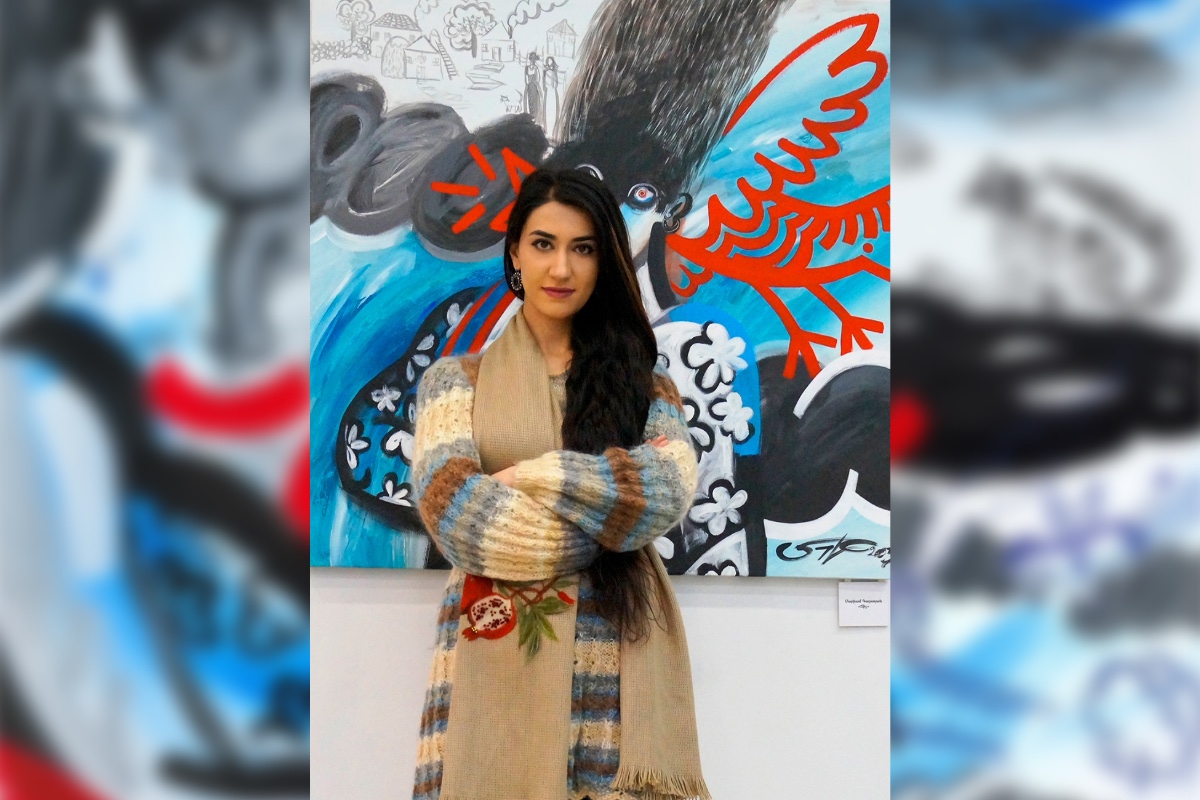
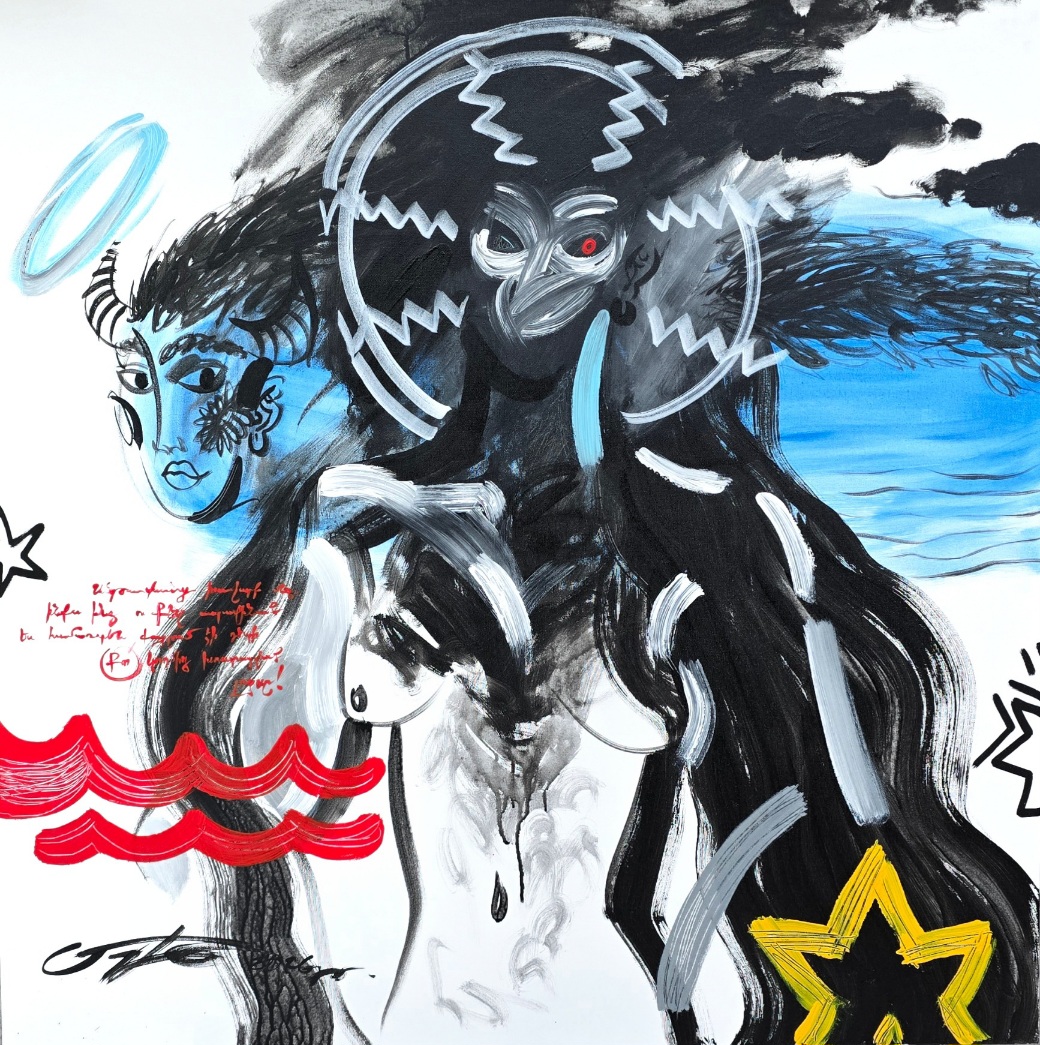
“It’s me. It’s exactly how I felt inside,” a woman in her 40s said, pausing in front of a portrait that carried an unmistakable expression of fear and abuse.
For Mariam Galstyan, the artist who painted it, the woman’s response was unexpectedly honest: “It was heartbreaking to hear someone share something so personal so openly,” Galstyan said. “Most people never talk about their pain or fear.”
Other visitors found another way to describe the painting. One called it an “oil-on-canvas horror story.”
The painting was one of 15 in Galstyan’s recent solo exhibition in Martuni, a town in Armenia’s Gegharkunik Province with a population of 11,000 to 12,000.
This exhibition, devoted to women’s rights and, more specifically, gender-based and domestic violence, was not meant simply to expose images of suffering to sensitize the public. It aimed to create a space where such experiences could be safely discussed.
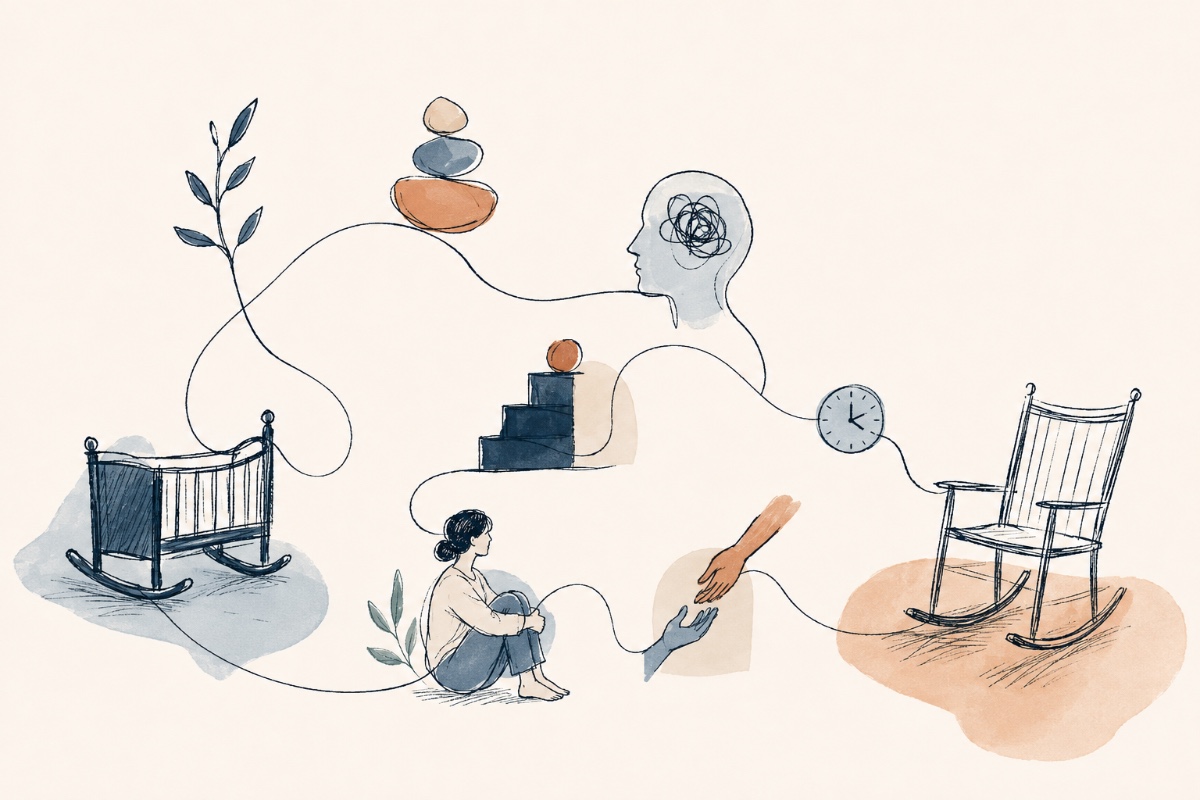
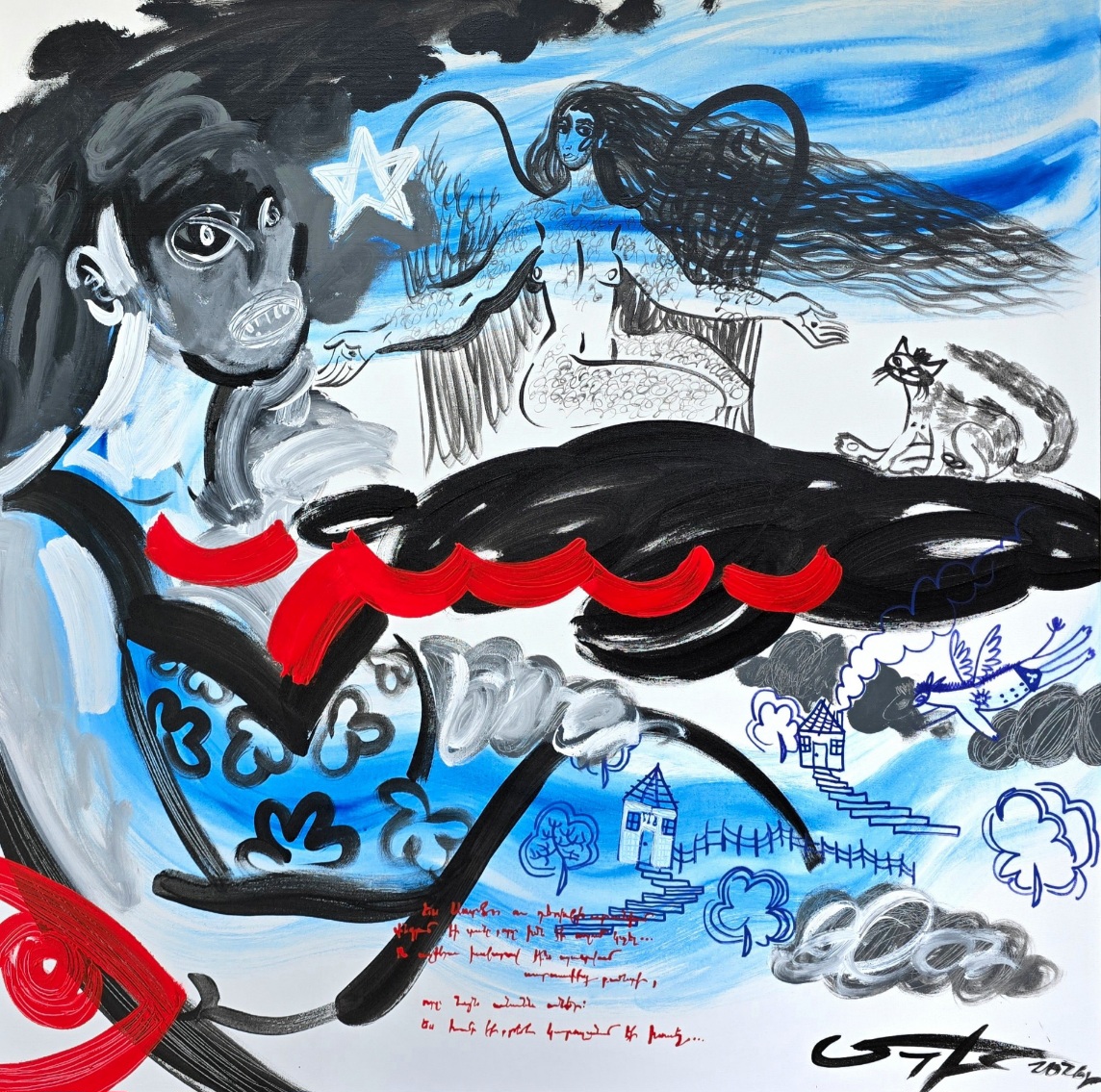
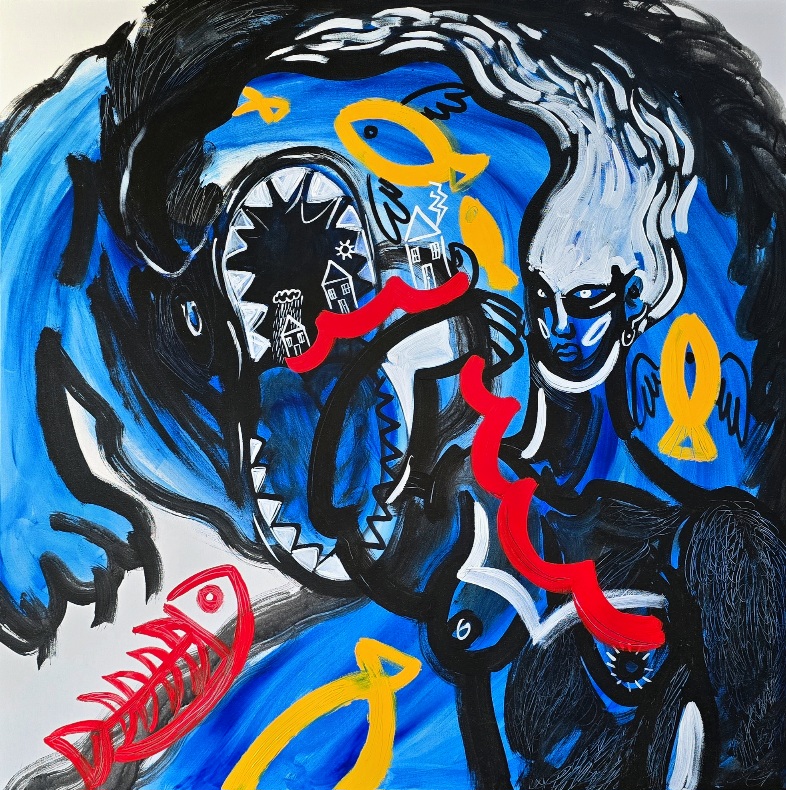
In Armenia and its regions, conversations about domestic violence still remain particularly difficult to begin. The subject is often treated as a private matter, leaving these issues overlooked and unspoken.
Martuni has appeared in human rights reporting on domestic and sexual violence in Armenia, including Amnesty International’s 2008 research, which included fieldwork in Yerevan, Gyumri and Martuni.
“As someone who was born and raised here, in Martuni, it was very important for me to hold the exhibition and carry out all the related preparatory work here, to interact with the local audience and to open dialogues and conversations,” Galstyan said. “It is always so easy to start talking about emotions evoked by a painting, and from there something real, something very private and honest, may break through.”
During several months of work, her studio turned into something of a social hub, where women gathered, shared stories they usually kept to themselves and opened dimensions few dared to enter.
In that sense, her paintings, shaped by conversations that might otherwise have remained private, could be viewed as a form of collaboration between an artist seeking stories hidden beneath silence and women willing to step, however cautiously, outside the boundaries of their past abuse and pain. “I believe it is important to create safe platforms for people to speak about their concerns, learn new perspectives and see positive examples of how things can actually be different,” Galstyan said.
Her project was supported by local organizations that helped communicate with women and reach their stories. One was the Martuni Women’s Community Council (MWCC), founded in the late 1990s, which has worked on social, health care and legal protection issues in Gegharkunik.
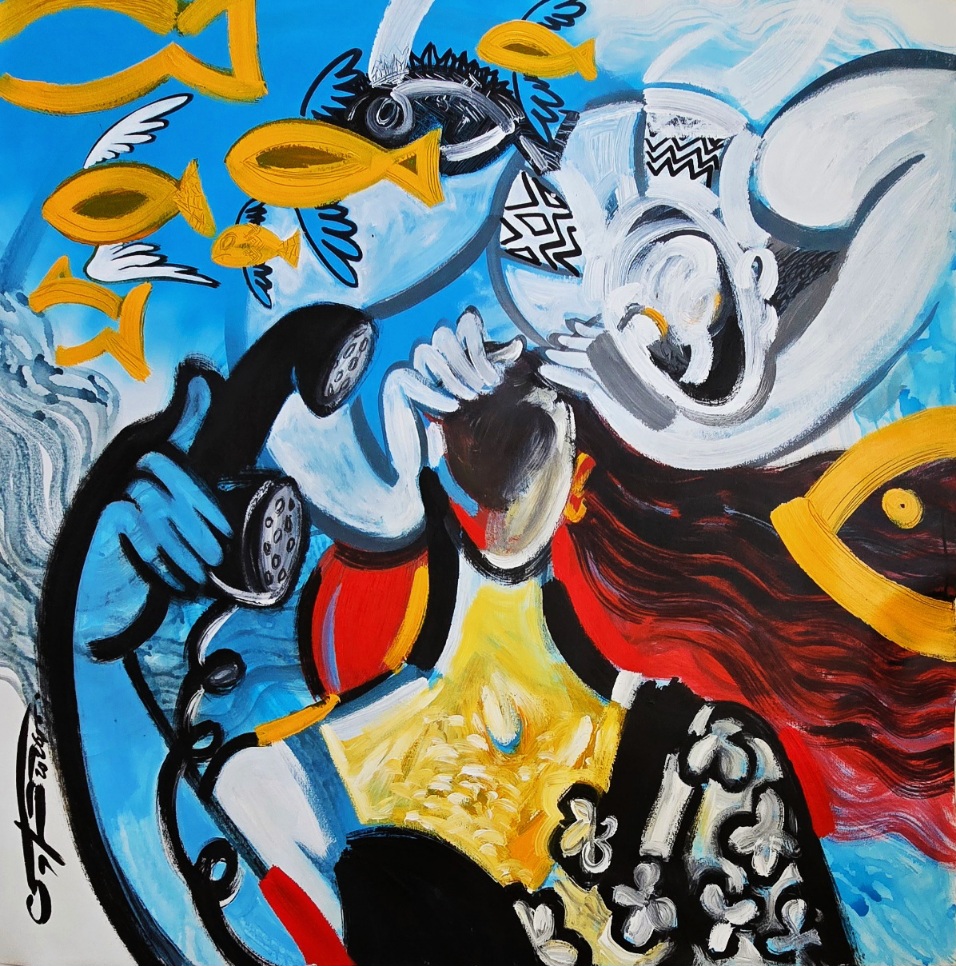
Organizations like these may handle more than 120 cases of violence against women each year. The number may be frightening, but it does not fully illustrate what lies behind it or what stories the statistic holds.
In this project, Galstyan’s work acted as a reflection of women’s stories, trying to find the best visual outline for them and perhaps even a form of closure for some. “Art isn’t just a beautiful thing fueling our life,” Galstyan said. “It’s one of the safest spaces to open discussions.”
Her exhibition lasted just a few weeks and closed in August. It is expected to reopen in November in Yerevan, reminding the public that, among the many important issues Armenia faces, domestic violence still exists and civil society still has significant work to do on women’s rights and elimination of domestic violence.
Mariam Galstyan’s 15 works were created in collaboration with local Women’s Support Centers, the police department and a community of women who openly shared their stories and were ready to step out of the zone of their past abusive experiences and pain.
Photographs courtesy of Mariam Galstyan.