



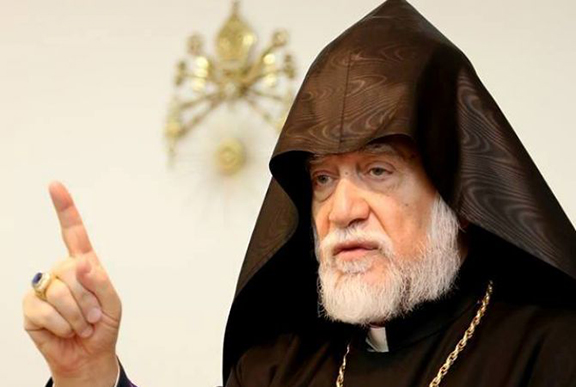
A great deal of our internal discussions as a community predictably include the term “leadership.” It has become somewhat of a catch-all, identified as the source of many of our challenges as a global nation. Is there a pragmatic set of expectations from our leaders that we should embrace, or are we content with unrealistic assumptions that feed our considerable criticisms?
We should look at our institutions, such as the church, as pyramids. A broad base rises to a focused point. The base of the pyramid includes the faithful and the recipients of our outreach. Our church is a hierarchical structure, with the point being the Catholicos elected by representatives from the lay and clergy ranks. Although many Armenians complain about the decision-making processes of the church, in reality it is essentially a democratic institution. Nearly all church officials hold elected positions. This is expected in most lay organizations but is also true among the clergy in the Armenian church. All diocesan prelates or primates are elected for finite terms based on the bylaws of the region. The Catholicos is essentially a lifetime assignment but is elected by an assembly of representatives of lay and clergy delegates. The singular leadership position not elected are the parish priests who are assigned by the Prelate or Primate. Even with local clergy, in more modern times, there is collaborative dialogue between local leaders and the diocese. It is rare that unilateral actions are taken regionally.

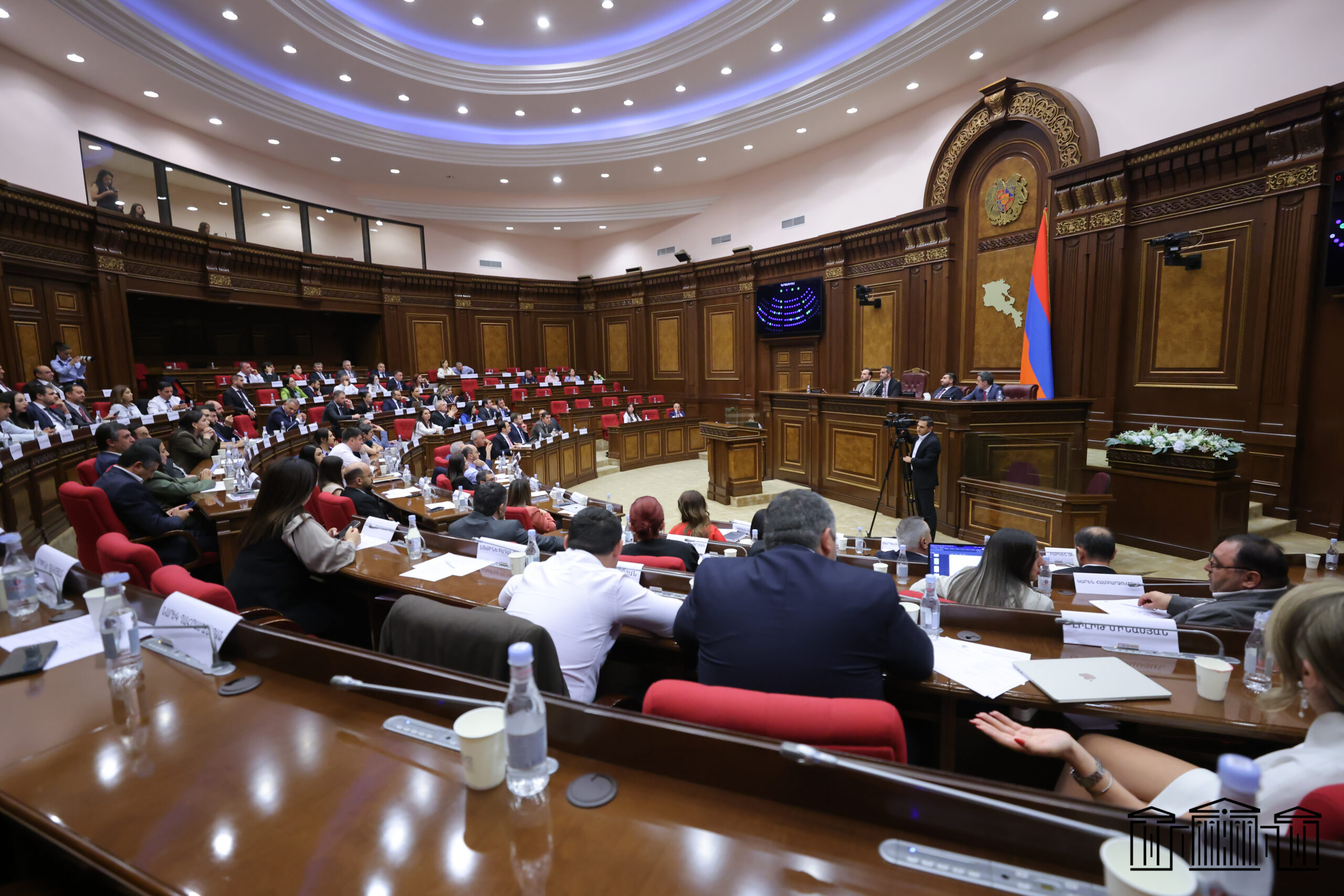

Catholicos Aram I rightly lambasted Pashinyan for his disastrous handling and incompetence during the Second Artsakh War and called on him to resign in 2020, yet less than a year later in 2021, he congratulated Pashinyan for being reelected as prime minister. Why this 180 degree U-turn? Why did he feel the need to do so? On the other hand, Catholicos Karekin II has been consistently critical of Pashinyan after the Artsakh disaster and has not flip-flopped.