

Opinion
Vartabedian: Is Armenian Language Dying a Slow Death in America?
As an Armenian School instructor over the past 40 years at my church, I’ve come to the sobering realization that our language is beginning to slowly dissipate.

As an Armenian School instructor over the past 40 years at my church, I’ve come to the sobering realization that our language is beginning to slowly dissipate.
Already a subscriber?Log in here



My parents spoke to us in Armenian at home. When I was very young, my parents would ignore me unless I answered them in Armenian. Some may call that child abuse today… They pretended like they didn’t know English and I’m sure it drove me crazy when they didn’t respond. But it forced me to talk to them in Armenian and it worked. Today, I probably speak better Armenian than 95% of people my age (late 20s). I blame the parents (those that know Armenian) who are too lazy to force their children to learn. Those Armenians who know very little Armenian should send their kids to Armenian schools or go online for readily available educational resources.
Judging from the posts here it seems like a good idea for someone to post links/resources for learning the language, especially for adults who would like to learn and also teach their children.
Editor: Could the Weekly print some? Who is producing good quality, user friendly programs?
Avetis,
Consolidation and unification in all spheres, included the linguistic, is a must, I agree. Few reservations, though. The language of Western Armenians living in the Ottoman Empire is the original, genuine Armenian, not the one (Ashkharabar) created by the Russian influence agent Khachatour Abovian as an added effort to drive a wedge into the unity of the Armenian nation.
It is dubious to suggest whether Armenians growing up in the diaspora need to learn the language of their homeland in the South Caucasus, or the other way round. Our homeland in the South Caucasus is 3 mln-strong, whereas 7 mln reside in the Diaspora. So, with the same token, it may be said that Eastern Armenian needs to be let go for the sake of national unity.
It is also highly hypothetical to suggest that Western Armenia won’t be resettled by diasporan Armenians. I know many people who’d move and I don’t doubt their sincerity to continue living on the lands of their grandparents. Where did you get your statistics?
P.S. If English, as “the corrosive language of globalization” is now considered by you as enemy to the Armenian language in Armenia, please recall that not so long ago Russian was such an enemy to the Armenian language both in Tsarist Russian and Soviet Armenia.
Radicalization of natural developmental processes is unnecessary. Objectivity must prevail over Westernophobia and Russophilia.
I’m an American Born Armenian who would LOVE to learn the language properly. I live in Sacramento, CA and need resources. Please help.
Seerelee Haro,
Tegooz shad barz guh tvee arachargt cordzatrel, khorkeen mech, aytbess cheh, aha teh eenchoo.
Zanazan “hedkrkragan” niuteruh haghirteloo hamar, tzhpakhdapar unthanrabess anclerenee guh teemvee vorovhedev lsogh yerekha/yereedasartneruh ARTEN EESG HAYEREN KHOSEEL CHEN KEEDER. Hedevapar arachargt cordzatreluh guh hastzneh anor, vor voch lezoon, voch al ayt mius niuteruh guh haghortveen.
Dear Haro,
While it seems a simple matter to impliment your proposal, in reality, it is not. Here’s why.
To teach the “interesting” topics, English is used because the students do not know Armenian. Thus the implimentation of your proposal would result in neither those topics nor the language being received by the targeted youth.
I am not even Armenian, I am from the u.k.,but visited 10 years ago, and usually average two weeks a year ther. I decided to study the language four years ago, and the next summer changed from poor Russian to equally poor Armenian. Now I can get by in most situations, speak to taxi drivers in 3-4 treks across mountains, often denying that I know any Russian so that we speak Armenian. It was ell worth the effort and my Armenian has improved. The welcome I get for making this effort has been worth all the hours study I did on the train to work!
To Richard Kazanjian. If I were you, living in Sacramento, and looking to learn Armenian, I would search my area to see if any colleges are teaching the language. Next, I would purchase some Armenian grammars (they’re available at many major bookstores) and become self-taught. I would hang around Armenian-speaking people, attend church regularly, maybe there’s a church-oriented program there for adults, and sign up post haste. Like any language, it takes practice, determination and inspiration. How far you take it is entirely up to you. And don’t discard the possibility of visiting Armenia and becoming immersed in the language and culture. Hang around those who are fluent and some of the luster will rub off on you. Hope this helps a little.
When I immigrated to the Eastern United States at age 9 (in 1946), I spoke Armenian but did not read or write it well, though I wanted to. I was most fluent in French, as the first four years of my education were in a French public school in Enghien-Les-Bains. I knew virtually no English when I entered American public school. My father said, “Որքան լեզու գիտես, այնքան մարդ ես: Գիտցած լեզուներդ պիտի մշակես եւ կատարելագործես:” I took these words very seriously. Every day, after school, I continued to read my French books (Bibliotheque Rose classics). When my father would come home from his office, we would go to the public library. The first book we borrowed was “Tales of Many Lands”, which served as my ESL textbook. We read one story a night, looking words up in an English-French dictionary, building vocabulary, writing, etc. But, at the dinner table, when our family sat together, միայն Հայերէն պիտի խօսուի: Մեր ընդրիքի ժամերը հայ ընտանիքի, մշակոյթի, պատմութեան եւ գրականութեան ընդգծումն էին: I went to Armenian school, after “regular school” on Tuesdays, Wednesdays, and Saturdays (Arlington, Cambridge, Dorchester, respectively). My mother was the Armenian school teacher, and if I didn’t go, the other kids wouldn’t either. May parents convinced me that I would appreciate this rigor when I grew up. I studied Classical Armenian through my involvement in Sunday School, church choir, ACYOA. When I entered college, the Armenian Chair at Harvard had been established, but there were no students. I continued independent studies, with the late Avedis Sanjian, and worked as a student assistant at the Widener Library, recataloging Armenian language books (1957-1959). My professional career took me along the road to librarianship, but the rich legacy of my millennial Armenian heritage and the invaluable lessons of my childhood have been passed on to our sons, all three of whom are fluent in Armenian, and our grandchild, who at age 3, is a master of code-switching from Eastern to Western Armenian, as well as English, and a smattering of other languages with which he comes in contact. If we fear our language will be lost, we are contribute to its demise. I, for one, and many like me, refuse to let that happen.
Յարգելի Կարէն,
Ամէն ինչ սկիզբ ունի, եւ սա ենթադրութիւնս էր։ Նաեւ, ամէն ինչի սկիզբը, տուեալ խնդրի ամենադժուար մասն է։ Իսկ եթէ հէնց սկիզբում արդէն յուսահատուած ենք, ոչինչ էլ չի սկսուի, եւ ոչ մի բան էլ չիրագործուի։
Իսկ ֆիլմերի հետ կապուած, ֆիլմեր կամ տեսանիւթեր պէտք է հայերէնով լինեն, իսկ տարածման մատչելի լինելու համար կարելի է օտար լեզու օգտագործել ենթախորագրերով (subtitles)։ Այսպիսով, ստիպում ես դիտողին հայերէն սովորել իր կիրառման պահանջքին զուգահեռ։ Ի միջի այլոց մարդը լեզու սովորում է այսպիսի եղանակով։ Երեխան քերականութեամբ չի իւրացնում լեզուն այլ դիտելով ծնողներին կապկելով սովորում է։
Այն ընտանիքում որտեղ ծնողները ազդեցիկ են պահում հայերէն լեզուն, երեխան իր հերթին պահպանում եւ սիրում է Մայրենին, իսկ այն ընտանիքում որտեղ հայերէն լեզուն չի հնչում, ահա այդտեղ պէտք է հնչեն հետաքրքրական հայեցի, հայերէնով եւ բարձրորակ ֆիլմեր։ Օրինակ եթէ Matrix ֆիլմը հայեցի եւ մաքուր հայերէնով դերակատարուէր, վստահ եմ ձեր երեխեքը ձե՛զ կ՚ստիպէին հայերէնով խօսել եւ ոչ թէ հակառակը։
Yes – “Որքան լեզու գիտես, այնքան մարդ ես” – I’ve heard this a few times, Sylva. To me it inspires to learn more, knowing my efforts are appreciated.
The best book for Easter Armenian is A.V. Gevorkian, Eastern Armenian Course. There is also a CD. It’s hard to get hold of outside Yerevan. In the UK I can get Armenia, Shant, Hay Mek, Yerkir plus the Russian-Armenian channel. Also, the music helps, the “karaoke” style cd’s available allow you to piece together the lyrics – with a dictionary if necessary, to give you more understanding. Շատ դժվար լեզու ե բայց ես սիրում եմ խոսել հայերեն!
As an English as a second language teacher, I have become increasingly frustrated that I am not fluent in my own mother tongue. I can definitely get by if I’m in Armenia or around Armenians and I understand a lot more than I can verbalize. As a child, I attended Armenian school once per week, which was useless, because the teachers were not trained professionals and we never learned “whole language” – just random useless words like “nabastag”. My grandparents were fluent in Armenian but for some reason they always put an emphasis on English. Whenever we spoke, it would be a mixture of English and Armenian like Spanglish.
As an adult, I have tried to improve my skills by attending various classes and having a friend tutor me. The one-on-one tutoring has helped the most because my tutor is skilled and because he addresses my specific language needs. I also try to use Armenian as much as possible whenever I am with my Armenian-speaking friends and I don’t worry about making mistakes. I know my friends will always correct me. :)
I also recommend the following resources for those who do not have access to a private tutor:
1.) http://www.discoverarmenian.com
This computer software is helpful because the learner listens to words and phrases while viewing pictures that go with the words (a main reason why Rosetta Stone is so successful). It is organized thematically (i.e. weather, going to a restaurant, family, etc.)
2.) If anyone is looking for a great class in the Boston area, check out NAASR’s Western Armenian conversation classes. http://www.naasr.org I don’t see the classes on their website but if you call the office, they can give you further info. I know that classes are currently in session and they always welcome new students. They have two levels and the teacher used to teach Armenian at Watertown High School. It makes such a difference when the Armenian teacher is a skilled professional and understands language acquisition. She is also very flexible and will work on reading and writing if you are interested.
3. http://www.armenianprelacy.org/index.php/departments/anec/an-online-course-in-modern-western-armenian
The Prelacy has a western Armenian online course. It is very grammar heavy and follows Tom Samuelian’s text.
Hope these suggestions are useful!
This issue is of capital importance and one that should be continued in further discussions and forums. Archaic solutions like inter-Armenian marriage and simply carrying on speaking amongst members of the community are not long-term, or even feasible, solutions. My mother, who started an Armenian program here in Canada, and now teaches the wives of Armenians who have married non-Armenians is a veritable saint when it comes to perpetuating the language. But efforts by a few are not enough. The main reason, in my opinion, that the language is dying is that it has not left its comfort zone, which was around the 17th and 18th centuries when Armenian intellectuals, particularly in Western Armenia, had thriving literature and presses that churned out good works that many could read, enjoy, and learn from. Who today sits down and reads an Armenian book. I can tell you that among the youth and even first-generation emigres, that number falls close to 0%!! That is because the language has not adapted to the times and is still stuck in the stifling wordiness of old Armenian. Although, that Armenian is rich and full of history, it, like many modern languages, must shake off some of the old and get hip with the new. I recently found a few books that I could relate to where the language was light and the themes were modern. Here are the authors as a recommendation for those of you who struggle to read and/or relate to Armenian literature: Vahe Berberian has two novels that were very interesting and accessible, namagner zataren, anoun hor yev vortvo, and there is a more recent release by Souren Chekijian titled Amarnayin Antsrev (coincidentally with the front cover illustrated by Berberian). Remember, literature, especially fiction, is the window to the culture’s most verdant intellectual stirrings and the best link to its soul.
For those of you looking to learn Armenian, there is at least one good book out there for Western Armenian: Modern Western Armenian, by Dora Sakayan
Please feel free to share your suggestions for literature and resources. We would all benefit from this. And thanks to all the contributors for the fine discussion. Finally, a site where we can converse intelligently about pertinent topics.
To echo “Worried’s” remarks, Armenian-speaking parents have a duty to consistently speak Armenian in the home, period. There’s no use shifting blame to summer camps and other organizations for not speed-teaching our children the language if we don’t reinforce it ourselves at home. That’s where it all starts. Our institutions/communities have a duty too: To divert funds where they are needed most and GENEROUSLY PAY top-notch educators to carry out what they have been trained to do, and so they can make A LIVING at it. Relying on unskilled, unqualified volunteers to teach language (and there are more of them than I’d care to count) is not only a Stone-Age mentality, it also serves to mis-educate our children, particularly in the one-day-a-week schools. Thank you, Laura, for providing some resources. Another superb resource is: “Learn to Speak & Understand Western Armenian” by Pimsleur, available on Amazon.com. Few people know that the voices on these learning CDs belong to the outstanding Armenian language instructors Annie & Berj Chekijian, who also provide all levels of Armenian language instruction for adults and children at St. James in Watertown, MA.
Tom, it looks like you struck a nerve with this topic. Personally, I believe that we all benefit from speaking languages other than our native tongue. But I also happen to feel that the benefit resides with the individual. In other words, I’m not too certain what payoff there is to the Armenian Diaspora if “Hagopig” learns Armenian or not.
‘
To my mind what we should be striving for is developing “practicing” Armenians from our second and third generation American born. I fear we have as a Diaspora, allowed a marvelous resource to slip through our collective fingers when we failed to find a way to get them engaged into the mainstream Armenian community. And maybe the cause was that in too many instances, the American born, broken Armenian speaker, was traditionally looked down upon by the self annointed Armenian speaker.
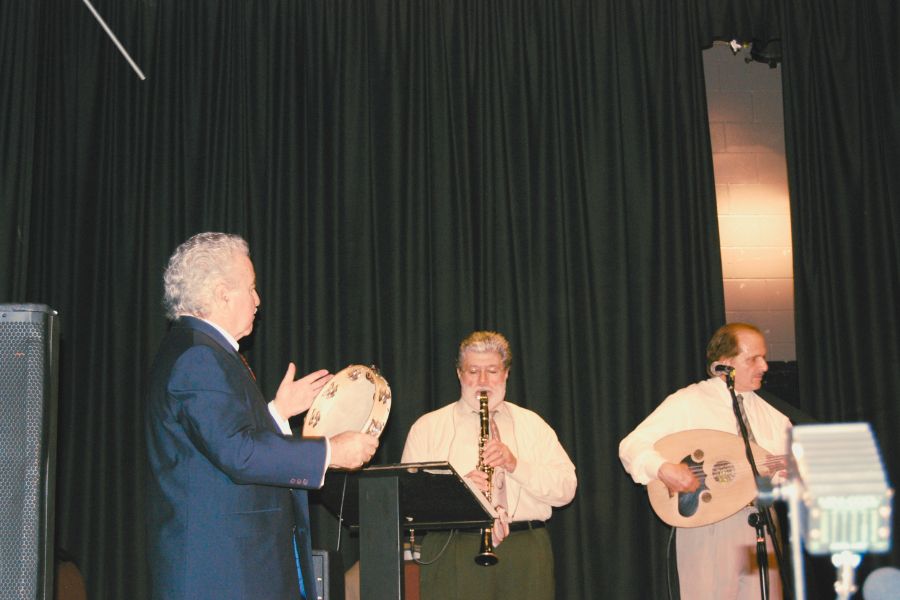
Lastly I would dearly love to see Mr Musserlian or anyone else for that matter conduct a longitudinal study do ascertain what if any long term benefit the community receives for providing a wonderful private education to these children. How engaged are they in their communities after graduation and how many even marry Armenian. Ps I loved the Oud music, reminded me of my moms house and thats a good thing. Let’s quit being so up tight.
Speaking Armenian in the home is the surest way to ensure that the language will persist from generation to generation.
I have to agree with Aveits’ observation where we have duality in languages, churches, and nations and even even how we do things depending whether or not if you are on the Western or Eastern side of the world.
We have a country, independant country ARmenia where people speak Eastern Armenian.. and that is what needs to be taught and incorporated in current schools and in general… I agree this may be a far fetched wish but if there is a will there is a way…
Of course I am not dismissing anyone who speaks the Western dialogue but our children need to learn the official language of our current country …. Keeping the language alive and keeping our culture alive is absolutely imperative for our survival… too many say you discriminate if you don’t want to even think about marrying a non-Armenian.. I say, it is a personal choice and nothing against Non-ARmenians, but you can’t force a Non-ARmenian to accept your language or culture… that is tough..their history, lifestyle, mentality, thought process is different than ours…nothing against those who married a non-Armenians as I know many took upon themselves to learn our language and culture and accepted ARmenianness as their own… but it is tough when your better half is not Armenian especially when the wife is not an ARmenian. Now a child learns a language from the mother in my opinion because it is the mother who stays home most of the time and raises the child.. if the mother does not speak the language or speaks very little of it then how do you expect a child to learn it…
It is a very tough thing for us Armenians.. majority of us are in Diaspora because of the Genocide survivors were spread all over the world and their children brought up children in countries outside of our own…. there are alot of them who fled our country and now their children are assimilating….We have a long and hard journey but we have to do it..
Astvats mez het…
Gayane
Really, this discussion is at the heart of our identity crisis. Anthropologists confirm that language is the key component of culture. Once language is lost, the culture will die. A language that does not evolve with time will also die. If our children want to feel proud to be Armenians, then they must understand that the only way they can relate to the culture of their ancestors is through speaking the language. It is our responsibility as parents to make them aware of this fact.
To Avetis who suggests we forget arevmdahayeren: that would mean that we kill half of our cultural heritage, including the legacy of all the ones that gave their lives on April 24, 1915. Amot.
Յարգելիներս,
Շատ հետաքրքիր խօսքեր գրեցիք եւ խրատներ փոխանցեցիք։ Սակայն այս բոլորը ոչ հող է կերտում եւ ոչ էլ խնդիր է լուծում, մանաւանդ երբ հայերէն լեզուի իւրացման եւ կիրառման մասին է խօսքը։ Սփիւռքում կան բազմաթիւ հայորդիներ որոնք Մայրենուն շատ լաւ տիրապետում էին (կամ են), բայց այսօր նրանք հայերէն լեզուի հետ չշփուելով դանդաղօրէն ուծացւում են։ Լեզուն որ չի օգտագործւում կրողի կողմից՝ սպաննւում է։ Ոմանք ասին որ հայերէն լեզուն կորցրել է իր այժմէութիւնը, սա ճիշտ չէ։ Իրականում ընդհակառակը այս մարդիկն են որ կորցրել են լեզուի կիրառման մակարդակը եւ այսպիսով գրքից դուրս ոչինչ չեն կարող արտայայտել (հայերէնով)։
Հայերէն լեզուն շատ հարուստ է, այնքան հարուստ որ երբ այսօր փորձում ենք գիտութեան մէջ գործածել, նա աւելի հզօր է դուրս գալիս քան Անգլերէնը, լատիներէնը կամ Յունարէնը։
Կան ոմանք որ ցանկանում են Մայրենին սովորել, նրանք փրկուածներն են։ Բայց կայ աւելի մեծ մաս Սփիւռքահայերից որոնք հայերէն չգիտեն եւ չեն ցանկանում սովորել։ Նրանք էլ փրկուածներ են, քանի որ համոզուել են իրավիճակի հետ, ձուլուելու օտարութեան մէջ (եւ չշարունակել այս անյոյս մարտ)։ Բայց մեր մէջ կան նաեւ նրանք որոնք հայերէն գիտեն, բայց արդէն զգում են որ այս լեզուի կռիւում լքուել են ժողովուրդից եւ հայ ազգի մեծերից։ Ահա այս մասն է որ նախ եւ առաջ պէտք է հզօրացուի, ապա կ՚հետեւեն բոլոր միւս պարագաները։
Լեզուն միայն սովորելով չէ ապրում, այլ օգտագործելով։ Հայերէնը պէտք է կիրառել ամէն բնագաւառում, հայերէնով պէտք է պարզապէս ապրել։
Մայրենու տարածման հարցը թէ՛ անհատական է եւ թէ՛ համայնքային։ Երբ Նայիրի կայքի հեղինակը դիմել է համայնքի հովանաւորողներին, նրանցից ոչ մէկը չի սատարել (ի բացառեայ Համազգայինից)։ Ես կարծում եմ այստեղ համայնքը մեղաւոր է (մանաւանդ վերջերս իմացանք որ Լինս կազմակերպութիւնը 200 միլիոն դոլար գումար է նուիրել UCLA-ին)։ Այսինքն՝ մի ղրուշ չեն տալիս հայերէն լեզուի համակարգչի մակարդակով արդիականացման աշխատանքին, եւ 200 միլիոն դոլար նուիրել մի օտար դպրոցի (որը այդքան հարուստ է եւ դրա կարիքն էլ չունի)։
Ի՞նչ է պէտք կատարել։ Արդէն այս կայքէջում կարծիքներ յայտնուեցին։ Կ՚խնդրէի իւրաքանչիւրից այս գրառումները նորից կատարել, բայց այս անգամ հայերէնով։ Սա երեւի հրաշք կ՚լինի…
Շնորհակալութիւն