



Three years after the fall of Artsakh, mourning at Yerablur
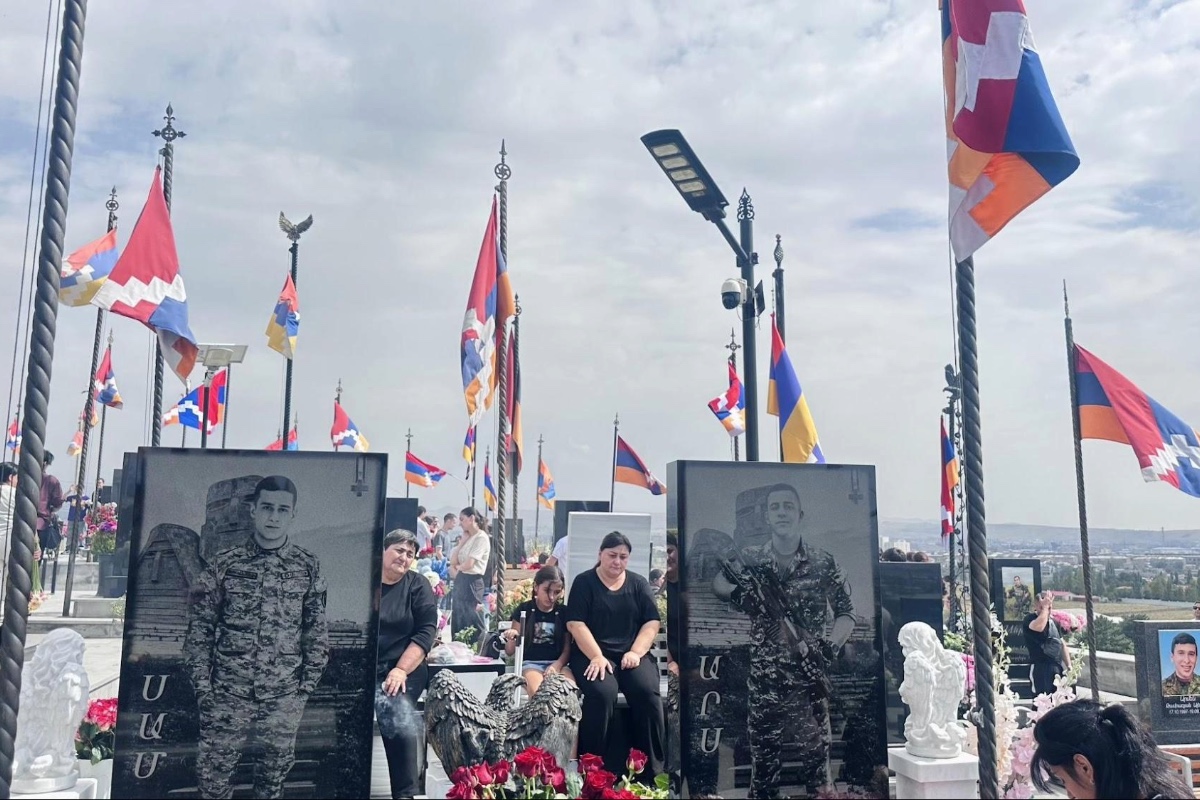
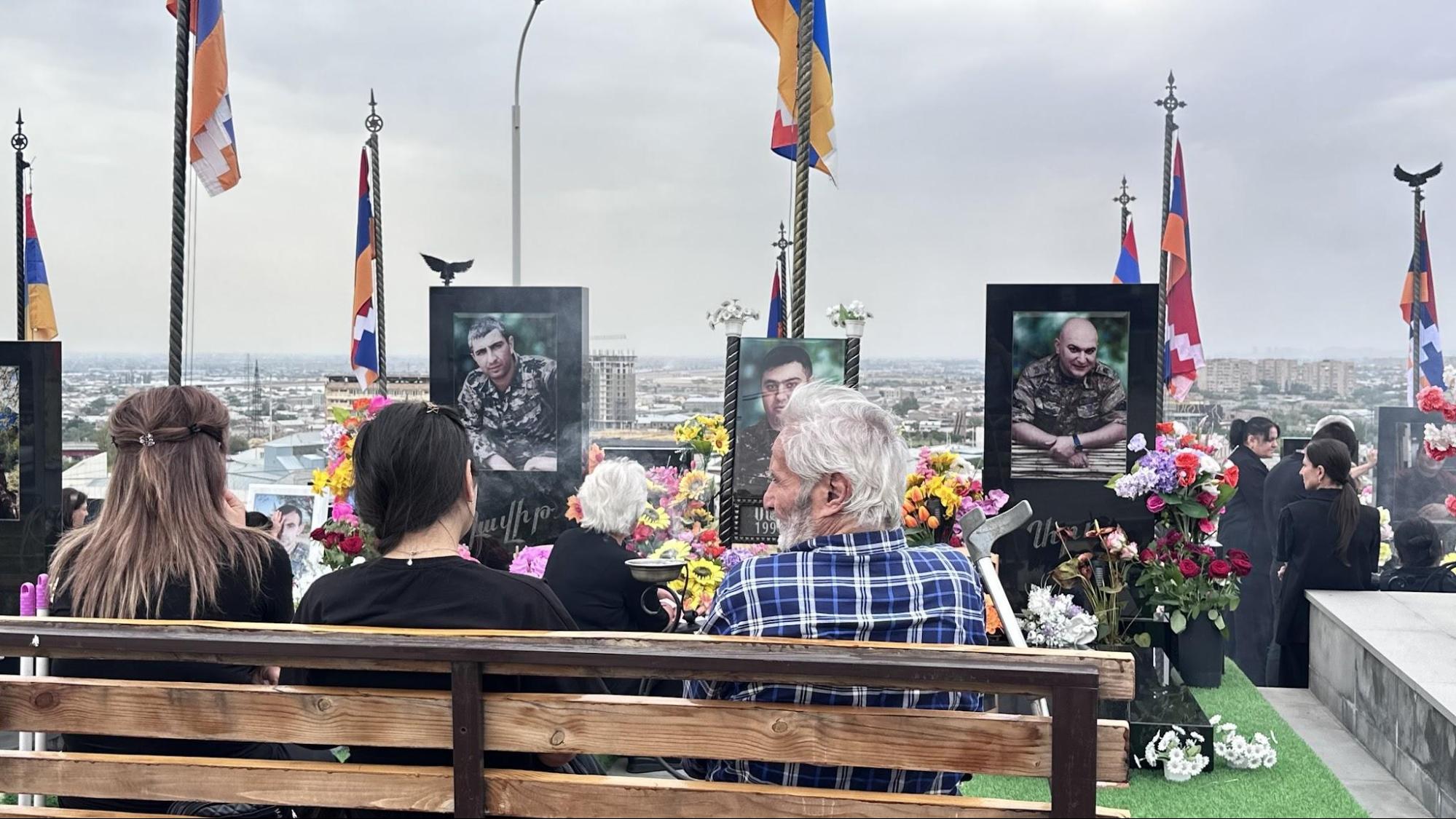
By early morning on Sept. 19, Yerablur Military Pantheon was already crowded. Parents, relatives and friends of the fallen moved quietly among the graves, joined by citizens and opposition members of parliament.
Three years ago, after more than nine months of starvation imposed by Azerbaijan, Artsakh came under large-scale attack. The 24-hour assault became the final stage of the genocide of Artsakh Armenians, culminating in the loss of Artsakh.
On Sept. 19, parents and relatives of those killed in the Artsakh wars organized a mourning march to Yerablur. The silent procession honored those who gave their lives for the security and defense of the homeland. It was also held in memory of Armenians still missing, those imprisoned in Baku, civilians killed during the war and forced displacement, and the victims of the Sept. 25, 2023, fuel depot explosion near Stepanakert.
The march began beneath the entrance arch of Yerablur and continued toward the memorial area. Many parents visit Yerablur every day or almost every day. But this day was not only for their sons. It was for Artsakh itself.
As people recalled how they had been forced to leave their homes within a week, they spoke of the endless line of cars stretching toward Armenia’s border. To many, it looked like a funeral procession. Minute by minute, they relived how the attack began: where they were, what they were doing, whom they called and how they understood that they were seeing their loved ones for the last time. Some of those loved ones are now buried at Yerablur.


Other parents walked quietly among the graves and stopped at unfamiliar memorial stones. Their own children are not buried there. Their graves remain in Artsakh.
According to official figures, 223 people were killed in the Azerbaijani attack on Sept. 19, 2023, including 20 civilians, six of them children. Another 219 people were killed in the fuel depot explosion. Twenty-one people remain missing. During the forced displacement, 64 people died on the road of exile.
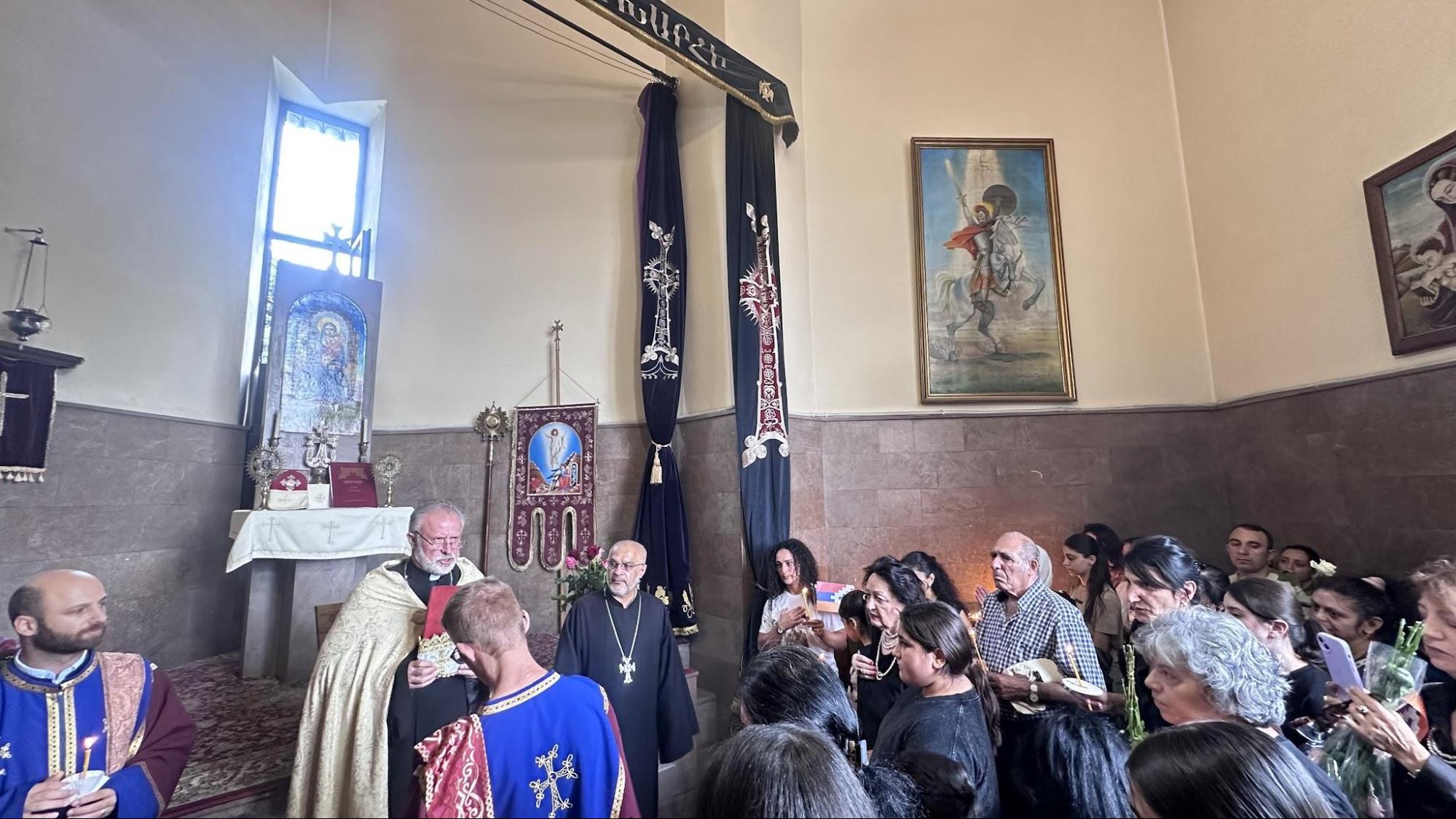
During a joint prayer, Fr. Hovhannes said, “Today, our churches and monasteries in Artsakh are like bells whose clappers have been torn away. Artsakh Armenians are that missing clapper.” He added that while the enemy mocks Armenian faith and distorts the values of the country’s spiritual and cultural heritage, Armenians have remained silent. He called on people to rely on themselves and to seek national repentance.
After the march, civil society organizations from Artsakh and Armenia, together with the Council for the Protection of the Rights of Artsakh Armenians, submitted a petition to the United Nations office and the embassies of major states. The letter called for international condemnation of Azerbaijan’s documented genocidal policy against Armenians; accountability under international law; measures to prevent the danger of renewed genocide; recognition of Artsakh and the right of its Armenian population to self-determination; and the implementation of the International Court of Justice’s binding Nov. 17, 2023, order.
Gagik Bagunts, the acting president of the National Assembly of Artsakh, also issued a statement marking the anniversary. “The past three years have not diminished, and cannot diminish, our inherent rights or our steadfast commitment to defending them,” he said. “The right of the people of Artsakh to a collective and safe return is non-negotiable. It must be realized under reliable international guarantees, with the complete safeguarding of our people’s fundamental rights and freedoms.”
Separately, the Committee for the Defense of the Fundamental Rights of Artsakh People called for international guarantees for the safe, dignified and collective return of Artsakh Armenians to their homes. The committee said that return must include the restoration of housing and property rights, international monitoring and protection of the community’s rights, including self-determination. It also called for the implementation of the Swiss Peace Initiative, a proposal backed by the Swiss parliament intended to facilitate dialogue between Azerbaijani authorities and representatives of the displaced Artsakh Armenian population.
In Armenia, the anniversary passed without a public statement or official commemoration by the government. At the same time, public events went ahead in Yerevan and across the regions.
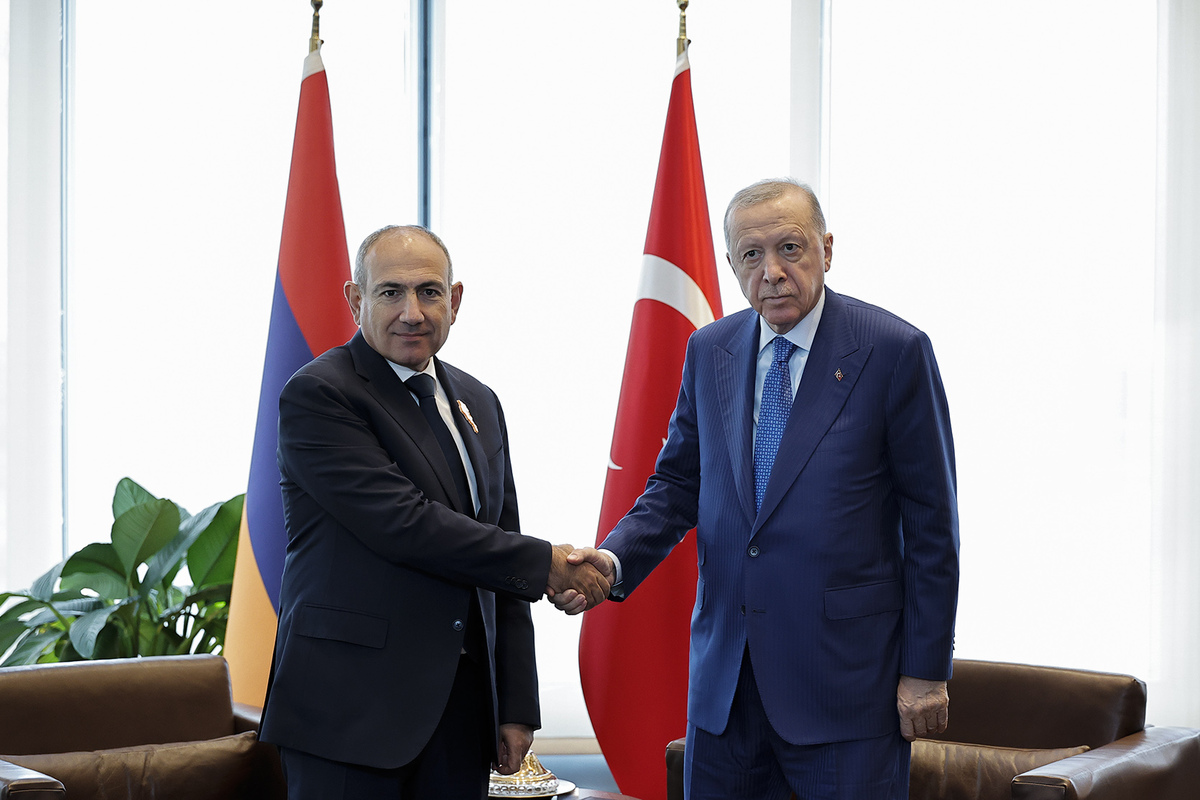
Meanwhile, Prime Minister Nikol Pashinyan was in Wiesbaden, Germany, to receive the Hessian Peace Prize. In his speech, he thanked President Ilham Aliyev of Azerbaijan and said that Aliyev “equally deserves this prize.”
For many Armenians in Artsakh, Armenia and the diaspora, this appeared to be an attempt to bury the memory of Artsakh and replace it with an image of peace that overlooks the real tragedy.