


A thank-you is in order to the AYF

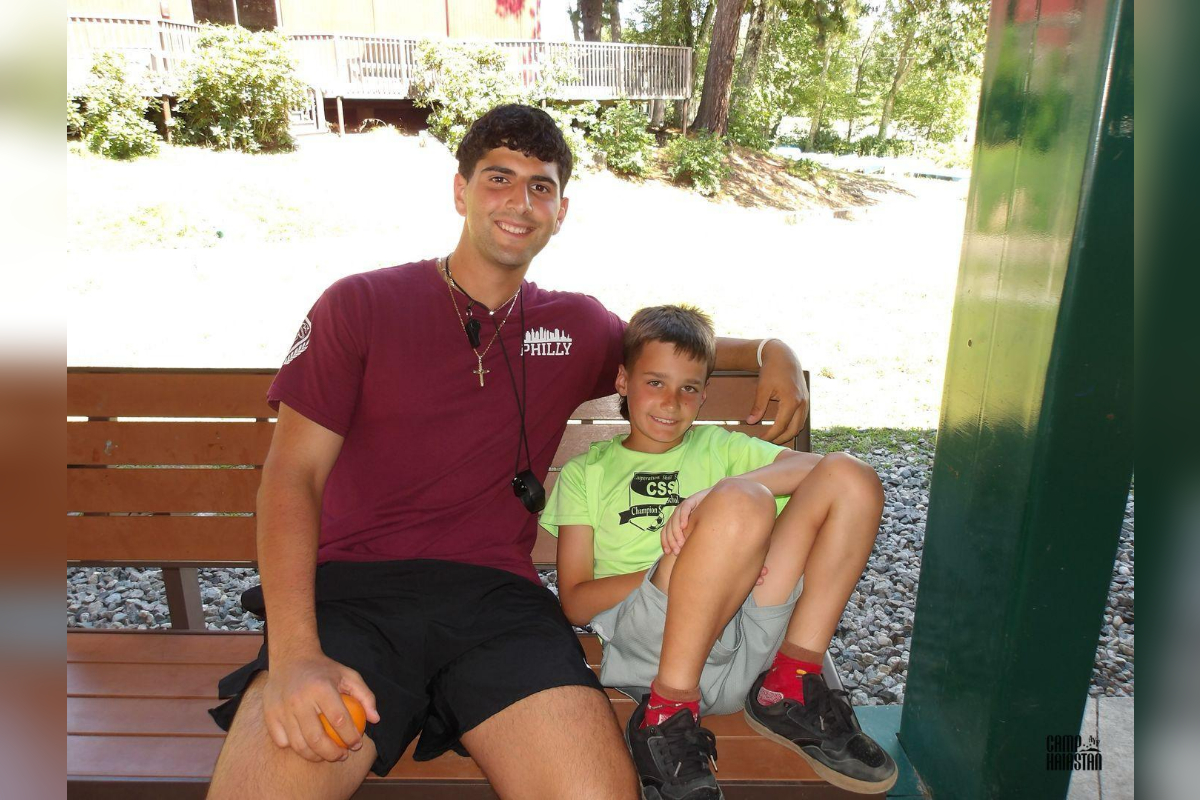
Five years ago, I flew across the country to spend my summer washing dishes and scrubbing toilets with a group of 17-year-old Armenians whom I had never met. It was the summer before my senior year at Holy Martyrs Ferrahian High School, and I had decided to be an SIT, or staff-in-training, at Camp Haiastan in Franklin, Massachusetts. I knew no one in the group, but there I was, 3,000 miles from Los Angeles, spending my sweet summer days working in the kitchen, cleaning an unfamiliar camp and slowly learning the ropes of being a counselor alongside a group of people who would soon make the East Coast no longer feel so far from home.
Camp, and the AYF more broadly, had always been a huge part of my life. I grew up in AYF West and spent all year waiting for my favorite week of the summer: AYF Camp in Big Pines, California. That one week with Armenians from across California would give my friends and me an entire school year’s worth of memories to talk about while we impatiently waited to do it all over again.
Alongside the influence of my family and the privilege of an Armenian school education, the AYF was instrumental in instilling in me the national pride and commitment to the Armenian cause that have come to define so much of who I am. Lucky for me, that devotion to the AYF was already in my blood. My paternal grandparents were part of the early generation that helped build the AYF in California, as members of the Tulare and Fresno chapters who later served on chapter executives and the Central Executive. My grandfather, the late Professor Richard Hovannisian, even wrote a column for an AYF publication titled “The West Coast Wire,” keeping East Coast communities up to date on the happenings west of the Mississippi.
That sense of belonging was ultimately what gave me the courage to take a chance on Camp Haiastan, although Franklin was not entirely foreign territory in my family. Years before me, my father, Garo Hovannisian, had made the same cross-country trek to spend a summer there as the Armenian School teacher. My older cousin, Eddie Hovannisian, followed years later, spending several summers as a counselor and eventually head counselor, always returning to California with stories of Camp Haiastan and the people he loved there. By 2021, I decided it was my turn to see what all the fuss was about. Fittingly, I made the trip with my friend Areni Panosian of the San Francisco AYF, whom I had met at AYF Camp back in California.
Arriving at Camp Haiastan, Areni and I immediately noticed how different it was from the AYF Camp we knew back home. Yet it took almost no time to understand what everyone meant by the “magic of Camp Haiastan.” Though I never experienced it as a camper, my summer as an SIT and my return the following year as a Hye Jham teacher made clear to me the invaluable role this camp has played for generations of East Coast Armenians. In many ways, it was the same magic I had grown up with 3,000 miles away: Armenian children spending their summers singing our songs, joining hands in the Haleh and forming friendships rooted in a shared love of being Armenian.
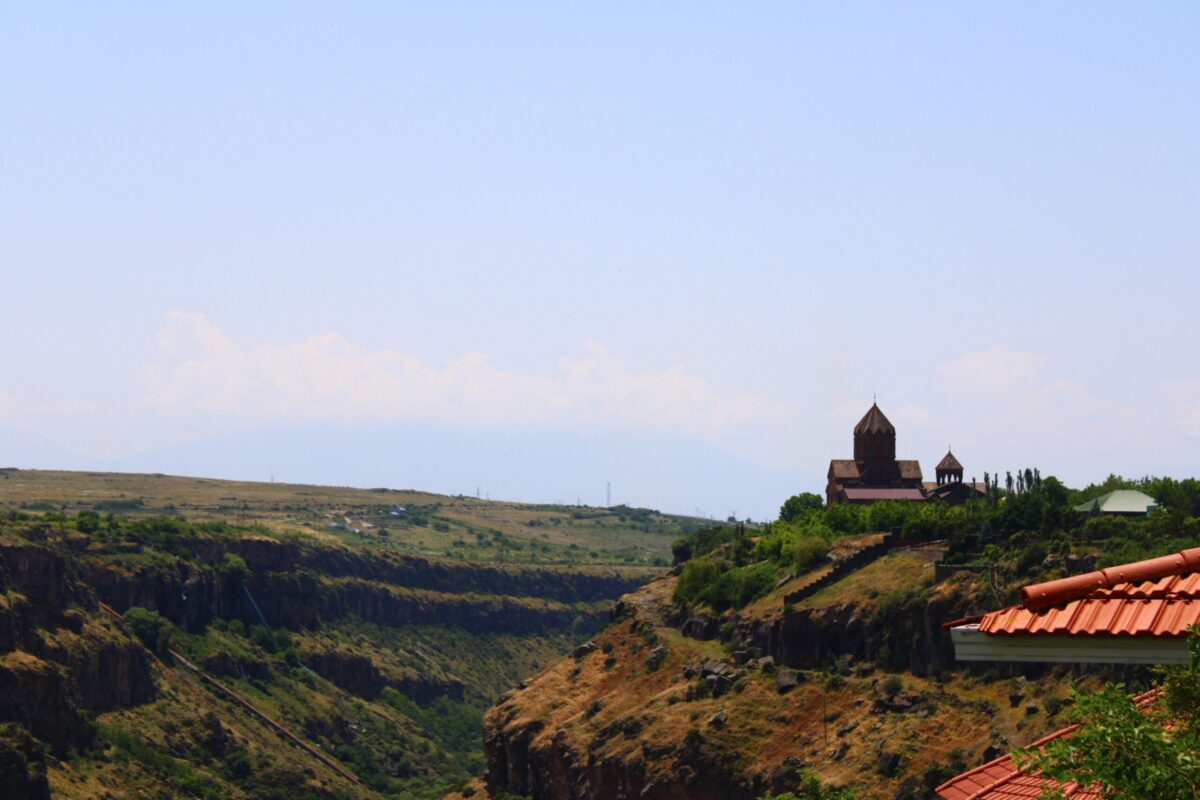

But Camp Haiastan gave me something I had never had before: an Armenian world beyond California. I came home counting down to Senior Olympics and NATs, where I could reunite with friends from Boston, New York, New Jersey, Philadelphia, Detroit, Chicago and D.C. Suddenly, these events meant more to me, carrying a bit of the magic of Camp Haiastan with them wherever we met.
That mattered more than I could have known. I had always felt an inexplicable pull to go away for college. A huge UCLA fan by nature, something still told me I was meant to spend those four years out East. But wanting to leave and actually doing it were two very different things. When I was accepted to the University of Pennsylvania out of Ferrahian, where I had spent my entire life surrounded by friends with names like Aline, Nairi, Daron and Sevag, the prospect of moving across the country for my first truly non-Armenian experience was equal parts exhilarating and nauseating. I am not sure I would have had the courage to do it without the community I had found through the AYF. Philadelphia was unfamiliar, but the East Coast no longer was.
And when the homesickness inevitably hit, the AYF was the remedy. I had my fellow SIT Sanan Gueyikian beside me for my first days at Penn, and friends like Nicole Santerian and Ani and Aren Dardarian nearby for dinners after class and weekend adventures. I quickly transferred to the Eastern Region and joined the Philadelphia Sebouh Chapter. Before long, I was no longer just counting down to Olympics but to one of my favorite parts: the car ride there, packed with the Philly AYF friends who had become such a huge part of my life.
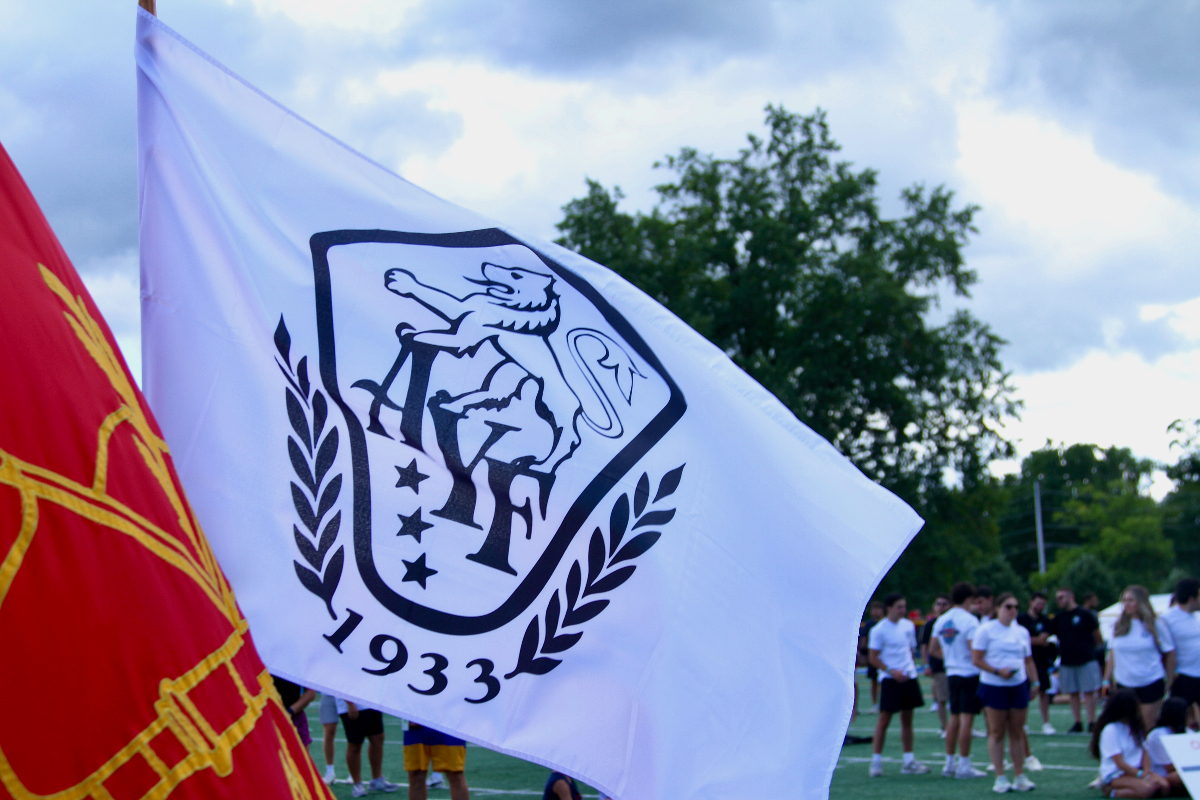
The longer I lived in Philadelphia, the more I began to wonder whether an invisible string had connected me to the East Coast all along. Through families like the Aftandilians, Baronians, Keshgegians, Gavoors and so many others, I discovered connections to my own family that stretched back decades. Hearing “You’re Garo’s daughter!” or “You’re related to Professor Richard!” became some of the most comforting words I could hear so far from home. Moments like these are a testament to the AYF’s enduring role in our community, connecting Armenians across coasts and generations for the past 93 years.
Over my four years in Philadelphia, I became deeply involved in AYF East, serving on my chapter’s educational and Hai Tahd committees. I spent the school year immersed in my Philadelphia chapter and returned to AYF West when I went home each summer. Somewhere along the way, “East Coast Armenians” and “West Coast Armenians” stopped feeling like two separate worlds, even as I grew to appreciate what makes each community so distinct. I feel incredibly lucky to call both home.
The influence of the AYF followed me onto Penn’s campus, too. I found myself bringing my Armenian identity into nearly every part of my education, from helping establish Armenian language courses to exploring Armenian nationalism in my coursework. In many ways, the same pride and sense of responsibility the AYF had instilled in me growing up shaped the way I moved through college.
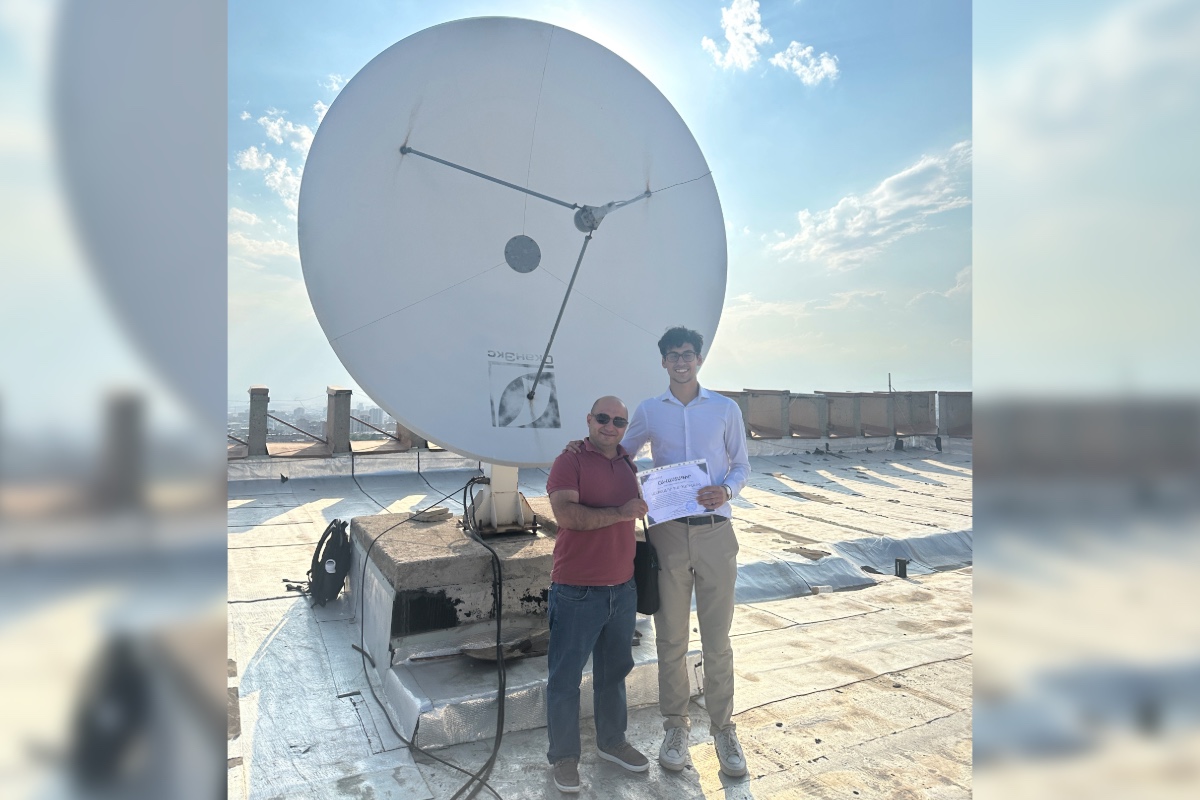
This May, I graduated from Penn and closed the chapter that had first brought me to the East Coast. Fittingly, I spent the summer right back in AYF West, this time through the life-changing Youth Corps program.
And now, I am moving again.
Five years after that first summer in Franklin, I am moving to New York City to begin my postgraduate career. It is another unfamiliar city, but I am arriving under very different circumstances. This time, I already know the friends, familiar faces and Armenian community that will be there to meet me.
As Camp Haiastan celebrates its 75th anniversary this year, I find myself thinking about the incredible impact of a few weeks spent there at age 17. The people I met while washing dishes and scrubbing toilets became part of the reason I felt comfortable moving East, part of my life throughout college and, now, part of the community I am carrying with me into whatever comes next. Mine is but one story of 75 summers.
That is what the AYF has given me: a community far larger than the one I grew up knowing, yet one that has never felt particularly far from home.
So, to the AYF, a thank-you is in order. Thank you for raising me in the West, making room for me in the East and, somewhere along the way, making 3,000 miles feel like a walk in the park.