Noncombat deaths expose a deeper crisis in Armenia’s army
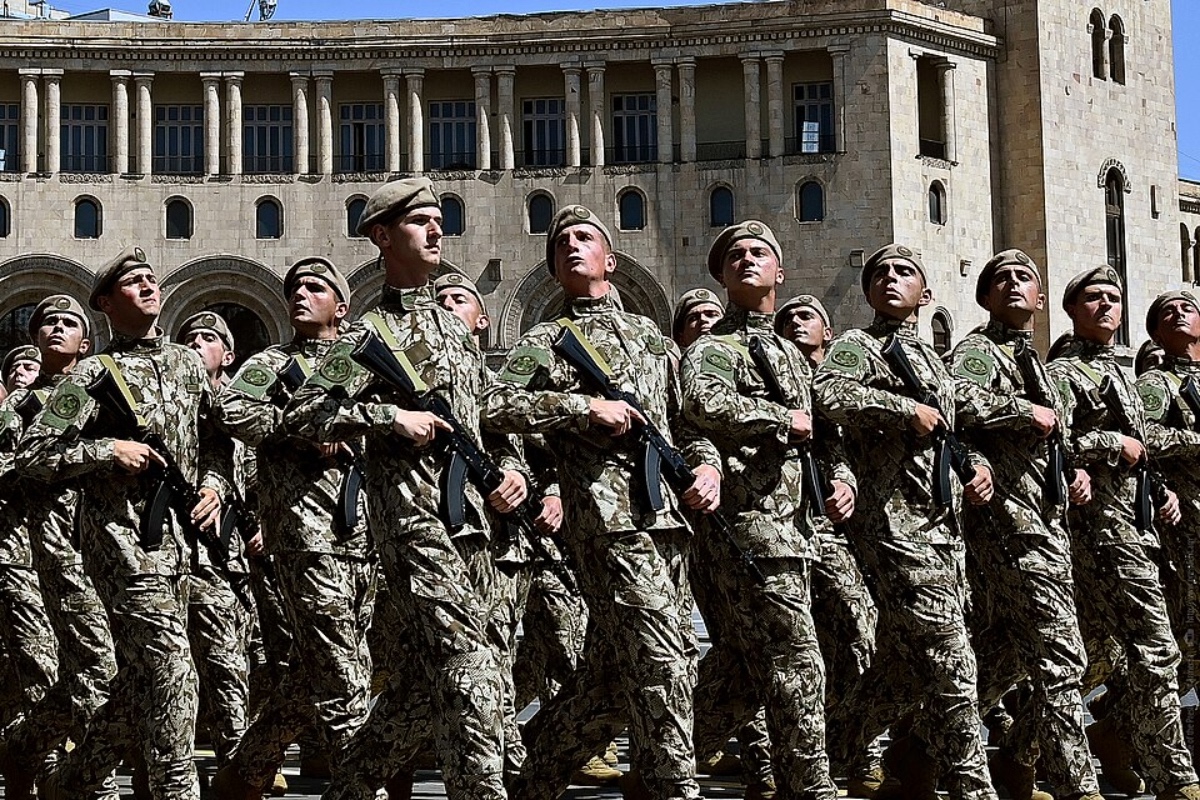
In recent years, problems within the Armenian army have worsened and require urgent solutions. The Armenian army, which is the guarantor of the country’s security, is itself becoming a high-risk environment for its own soldiers. Although the country is not in a state of full-scale war, service members continue to die in barracks — at the hands of fellow soldiers, by suicide or because of a complete lack of psychological support.
Noncombat casualties in the Armenian army have reached critical levels. A report by the Helsinki Citizens’ Assembly said 76 service members died in the armed forces of Armenia and Artsakh in 2021. The causes were categorized as follows: 19 from ceasefire violations, 17 from health issues, 15 from road traffic accidents, 11 from murders, nine from suicides and five from varying accidents.
The mortality trend among Armenian service members in 2026 appears particularly alarming. In the first seven months of this year, eight deaths of service members in noncombat circumstances were recorded in the Armenian army. According to Armenia’s Investigative Committee, criminal cases have been opened in most of these cases under articles related to murder and incitement to suicide.
Human rights activists say noncombat-related deaths in 2024 accounted for 90% of all Armenian military deaths. In 2026, about 37% of these deaths were directly linked to violence and psychological trauma.
Military expert Karen Vrtanesyan said the situation within the Armenian armed forces is closely linked to the country’s political and socio-psychological climate. He said the crisis is exacerbated by personnel shortages, an ineffective psychological support system and the broader socio-psychological environment.


It is particularly telling that an attempt to establish a system of military psychologists in the 2010s never produced results. “The army’s main problem is the ineffective work of military psychologists, which has never been properly organized since the 2010s. There are too few specialists,” states Vrtanesyan. He acknowledged that it is impossible to prevent all noncombat casualties, but said the existing system does not do enough to minimize the risk of soldiers dying.
A number of civil society organizations have expressed concern over the continuing deaths of service members in noncombat situations. In a statement, they said the state has a duty to safeguard service members’ right to life and safety and to protect their honor and dignity.“ In fact, acts of violence are being normalized and not prevented, which attests not only to failures and inaction within the chain of command but also to the ongoing, troubling state of awareness of and protection for human rights obligations,” the organizations stated. Research shows that violence and humiliation of service members in the Armenian army are systemic, appearing both in physical abuse and in treatment that undermines their dignity.
The situation is further exacerbated by uncertainty over whether Armenian army commanders received psychological support since 2020. Officers who lack psychological support are unable to effectively safeguard the mental health of their subordinates.
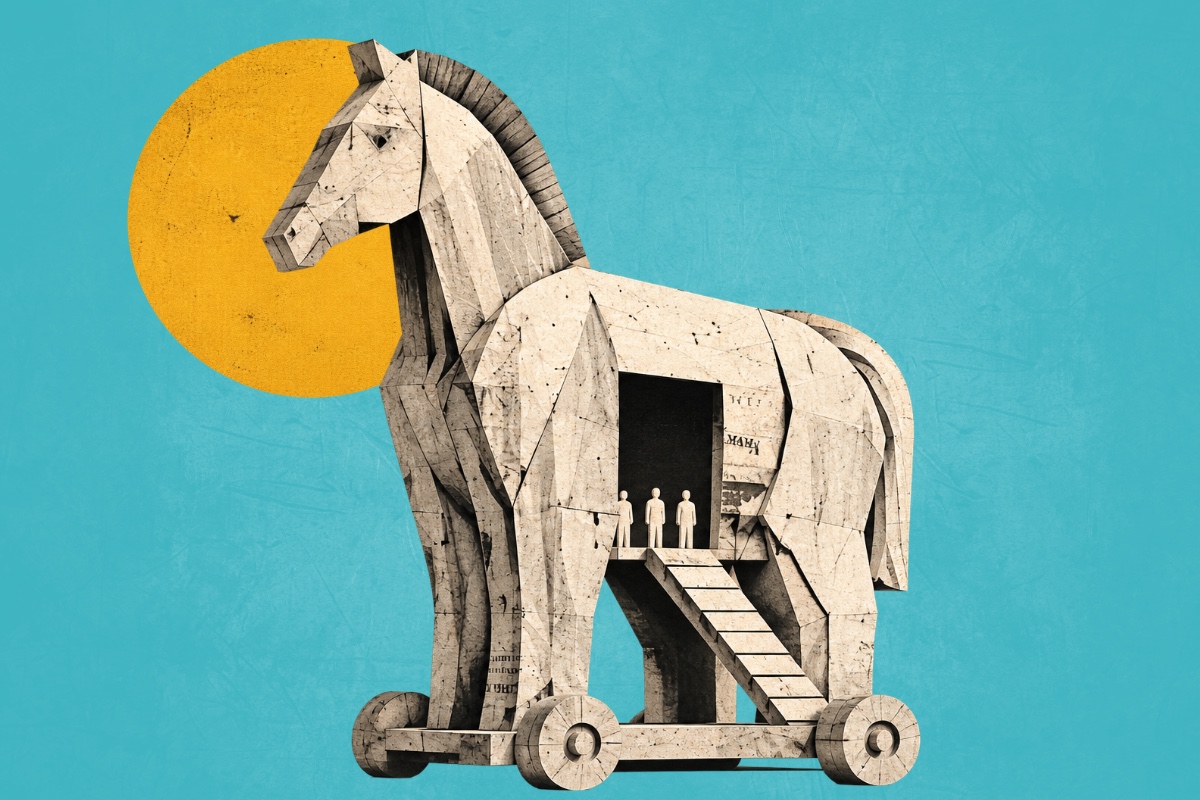
Armenia is also becoming a target for manipulation by foreign states waging war in Ukraine. Russia and Ukraine are exploiting the shortcomings of the Armenian army for their own ends. Both sides are actively seeking volunteers among Armenians, including military personnel.
According to British military intelligence, Russia is actively recruiting mercenaries abroad for the war in Ukraine. Online recruitment advertisements have been identified in Armenia and Kazakhstan. Russia offered potential volunteers an initial cash payment of $5,140 and a steady monthly salary starting at $1,973. Ukraine has taken a different approach. Recruitment offers reportedly focus primarily on tacit cultural, historical and national ties. Ethnic Armenians living in Ukraine may find it easier to persuade compatriots in Armenia to enlist in the Ukrainian armed forces.
Accounts from some service members point to the need for immediate and comprehensive preventive action. Armenia’s security agencies should conduct in-depth discussions with military personnel and civilians about the risks associated with participating in armed conflicts abroad. These risks include potential legal consequences, threats to life, health and long-term psychological well-being.
The army’s psychological support system also needs reform. Attempts in the 2010s to establish a corps of military psychologists failed. Today, the government needs to implement urgent measures to address the Armenian army’s most pressing problems.
Edgar Lalayan, a company commander stationed near Vanadzor, said the government should take three urgent steps to address the army’s internal problems:
- Increase the number of military psychologists, with at least one psychologist-officer assigned to each battalion.
- Conduct regular psychological testing and provide support for all service members, including command staff.
- Establish an effective system to prevent violence within military units.
The soldiers who stand guard over Armenia must themselves be protected. Until this basic truth is recognized at the highest level, Armenian army barracks may continue to claim the lives of those who could have become the army’s pride.