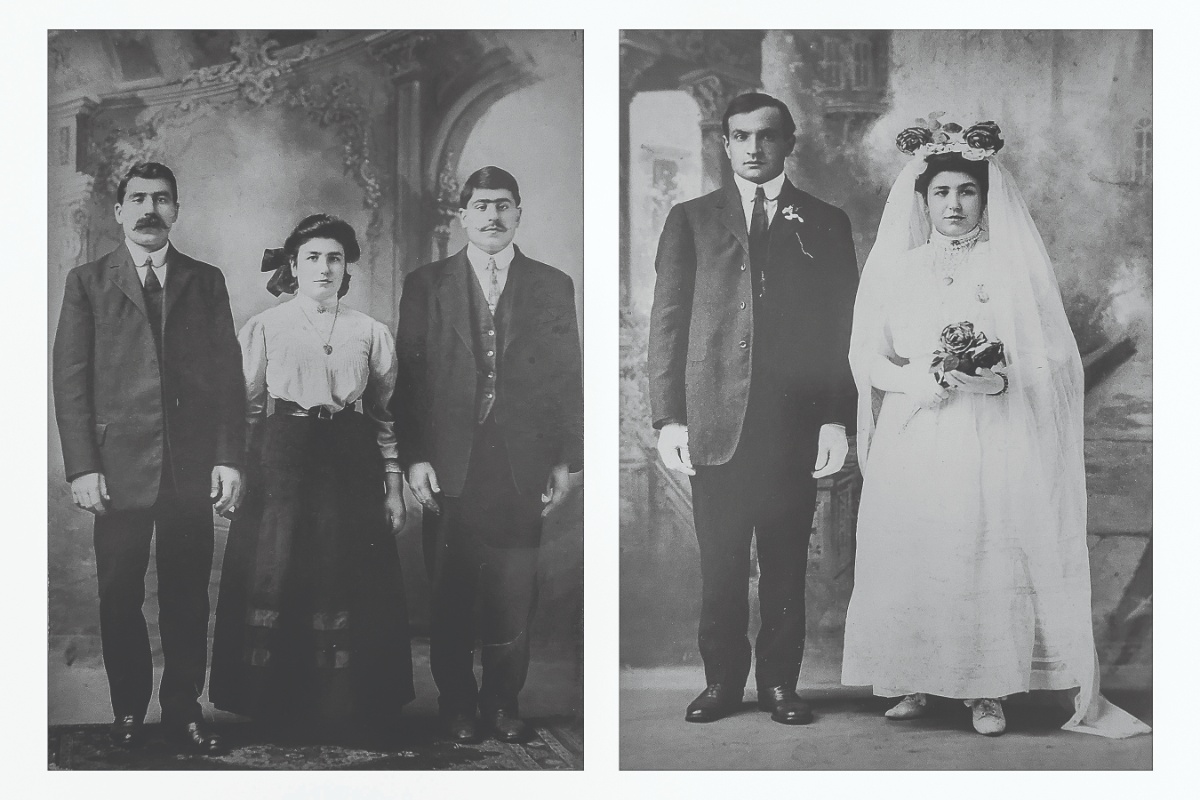




I was first introduced to the work of documentary filmmaker and writer Suzanne Khardalian during my postdoctoral fellowship at UCLA. A colleague of mine was teaching a comparative genocide course on women’s experiences of trauma and wanted to include the Armenian Genocide in her syllabus. She told me she had just seen Grandma’s Tattoos, a documentary by Khardalian. The film explored the stories of her grandmother—and other Armenian women—marked by tattoos that stood as reminders of their genocidal trauma.
I can still remember the cold but enraged feeling that came over my body when I watched this film for the first time—as if every vein in my body was ready to join the fight for my foremothers and to follow Suzanne on her quest to tell their stories. Like Suzanne in the film, I felt shocked to discover the unfathomable layers of trauma these women suffered—how marks of blue ink silently documented an entire history of pain, standing as lifelong reminders of their scars; the maps of their suffering etched on their bodies forever. I remember being so grateful to Suzanne for including me in her matriarchal history.